
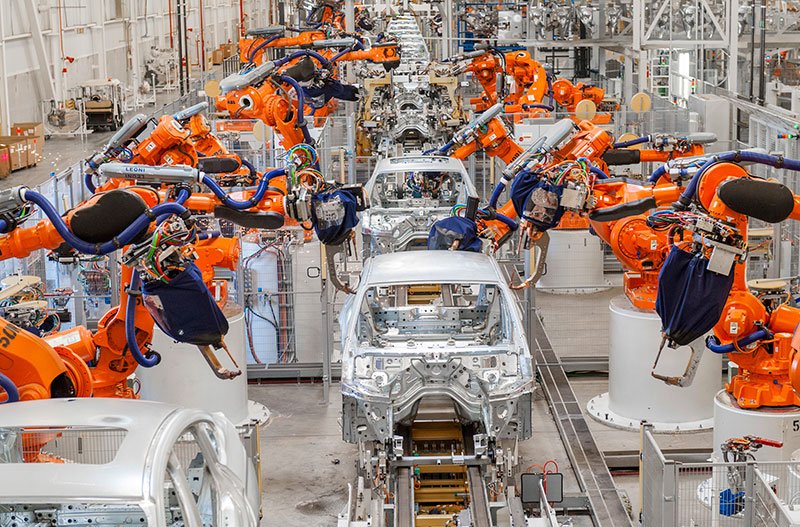
Improving efficiency and reducing waste are ongoing priorities for any manufacturing business. With global competition and evolving customer expectations, companies must continually refine their processes to stay ahead. Understanding how to streamline manufacturing operations is essential for boosting productivity, lowering costs, and maintaining high quality standards.
This guide explores proven strategies and technologies that help manufacturers optimize their workflows, minimize bottlenecks, and adapt to changing market demands. Whether you operate a small workshop or a large-scale facility, practical steps can make a significant difference in your operational performance.
One of the most effective ways to enhance process efficiency is by leveraging advanced technologies. For example, integrating augmented reality in quality audits can help visualize data and identify issues faster, leading to quicker resolutions and fewer production delays.
Key Principles for Optimizing Manufacturing Workflows
To achieve operational excellence, manufacturers must focus on several core principles. These include:
- Eliminating waste in all forms, from excess inventory to unnecessary motion.
- Standardizing processes to ensure consistency and repeatability.
- Empowering employees with the right tools and training.
- Leveraging data to make informed decisions and track progress.
- Continuously improving through feedback and innovation.
Applying these principles creates a foundation for sustainable improvement and positions your business for long-term success.
Leveraging Technology to Streamline Manufacturing Operations
Modern manufacturing relies heavily on digital solutions to enhance productivity. Implementing automation, artificial intelligence, and real-time monitoring can dramatically reduce manual errors and speed up production cycles.

Some of the most impactful technologies include:
- Industrial IoT (Internet of Things): Sensors and connected devices provide real-time insights into equipment performance, enabling predictive maintenance and reducing downtime.
- AI-powered inspection systems: Automated quality checks help catch defects early, improving product consistency and reducing rework. For more on this, see wearable AI for manual inspection support.
- Manufacturing Execution Systems (MES): These platforms coordinate production schedules, track materials, and ensure traceability throughout the process.
- Robotic process automation: Robots handle repetitive or hazardous tasks, freeing up human workers for higher-value activities.
By adopting these tools, manufacturers can identify inefficiencies, optimize resource allocation, and respond quickly to production challenges.
Process Mapping and Value Stream Analysis
Before making changes, it’s important to understand your current processes. Process mapping and value stream analysis are powerful techniques for visualizing workflows and pinpointing areas for improvement.
Start by documenting each step in your production line, from raw material intake to finished product delivery. Identify where delays, redundancies, or quality issues occur. Use this information to eliminate non-value-added activities and streamline the flow of materials and information.
Regularly reviewing and updating your process maps ensures that improvements are sustained and new bottlenecks are quickly addressed.
Standardization and Best Practice Implementation
Standardizing work procedures is crucial for maintaining quality and efficiency. Develop clear, documented instructions for each task, and ensure all team members are trained to follow them. This reduces variability, minimizes errors, and makes it easier to scale operations as your business grows.
Benchmarking against industry best practices can also reveal new opportunities for improvement. Stay informed about emerging trends and technologies by following reputable sources, such as this comprehensive guide to improving manufacturing efficiency.
Continuous Improvement and Employee Engagement
Successful manufacturers foster a culture of continuous improvement. Encourage employees at all levels to suggest ideas for streamlining operations. Regular team meetings, suggestion boxes, and open communication channels can help capture valuable insights from those closest to the work.
Recognize and reward contributions to process improvement. Providing ongoing training and professional development keeps your workforce engaged and adaptable to new technologies and methods.
Monitoring, Measurement, and Data-Driven Decisions
Tracking key performance indicators (KPIs) is essential for evaluating the impact of your improvement efforts. Common metrics include:
- Cycle time
- Yield rates
- Downtime frequency
- Scrap and rework percentages
- On-time delivery rates
Use dashboards and reporting tools to visualize trends and quickly identify deviations from targets. Advanced analytics and AI can help predict issues before they escalate, allowing for proactive interventions. For example, monitoring AI model drift in factories ensures that automated inspection systems remain accurate over time.
Reducing Waste and Increasing Flexibility
Lean manufacturing principles focus on eliminating waste in all forms—whether it’s excess inventory, unnecessary movement, or inefficient use of resources. Implementing just-in-time (JIT) inventory management, optimizing layouts, and cross-training employees can all contribute to a more agile and responsive operation.
Flexibility is also key to adapting to changing customer demands. Modular production lines, quick-change tooling, and digital twins allow manufacturers to switch between products with minimal downtime.
Integrating Advanced Quality Control Methods
Maintaining high quality standards is non-negotiable in modern manufacturing. Advanced quality control methods, such as vision-based inspection and statistical process control, help detect defects early and prevent costly recalls.
Technologies like vision transformers for industrial use are enabling next-generation visual inspection, offering greater accuracy and adaptability than traditional systems. Regular calibration and validation of inspection equipment further ensure consistent results.
FAQ
What are the first steps to improve manufacturing efficiency?
Begin by mapping your current processes to identify bottlenecks and sources of waste. Engage your team in brainstorming solutions and prioritize changes that offer the highest impact with minimal disruption. Implement standard operating procedures and track performance metrics to measure progress.
How does automation help in streamlining operations?
Automation reduces manual errors, speeds up repetitive tasks, and allows for real-time monitoring of production lines. This leads to more consistent output, lower labor costs, and the ability to quickly adapt to changes in demand or product specifications.
Why is employee involvement important in process improvement?
Employees are often closest to the day-to-day operations and can provide valuable insights into inefficiencies and potential solutions. Involving them in improvement initiatives increases buy-in, fosters a culture of innovation, and leads to more sustainable results.