
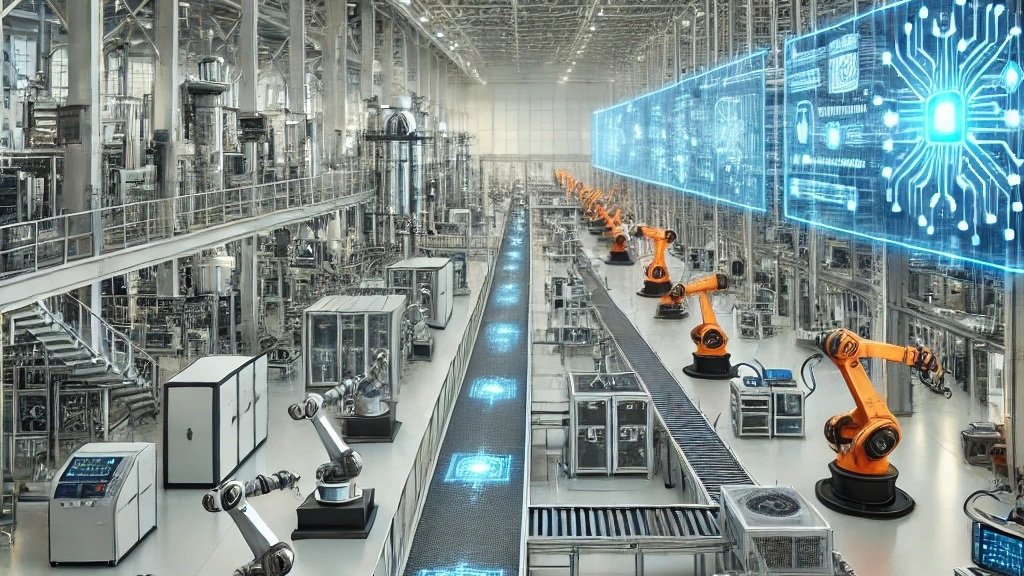
Non-destructive testing with AI is rapidly transforming how industries ensure the quality, safety, and reliability of their products and infrastructure. By combining advanced inspection methods with artificial intelligence, organizations can detect flaws, predict failures, and optimize maintenance without causing damage to the materials or components under review. This approach is particularly valuable in sectors such as manufacturing, aerospace, automotive, and energy, where even minor defects can lead to significant safety risks or costly downtime.
As digital transformation accelerates, AI-driven inspection tools are becoming more accessible and accurate. These solutions not only improve the speed and consistency of inspections but also help address the shortage of skilled inspectors. For those interested in related advancements, exploring augmented reality in quality audits reveals how visual data overlays are further enhancing inspection workflows.
Understanding Non-Destructive Testing and AI Integration
Non-destructive testing (NDT) refers to a suite of techniques used to evaluate the properties of a material, component, or system without causing any damage. Traditional NDT methods include ultrasonic, radiographic, magnetic particle, and visual inspections. While these techniques are effective, they often rely on manual interpretation, which can be time-consuming and prone to human error.
Integrating AI-powered analysis into NDT workflows automates defect detection, classification, and reporting. Machine learning algorithms can be trained on vast datasets of images and sensor readings, enabling them to recognize subtle patterns and anomalies that might be missed by the human eye. This synergy between human expertise and artificial intelligence leads to more reliable and consistent inspection outcomes.
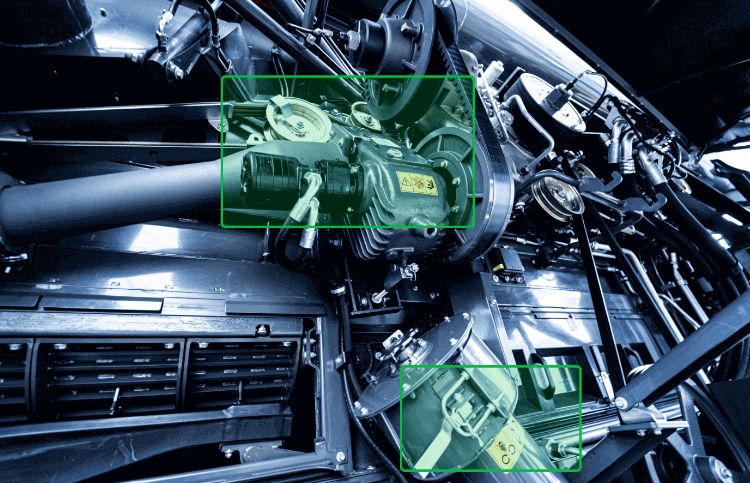
Key Benefits of AI-Driven Inspection Techniques
The adoption of non-destructive testing with AI offers several compelling advantages for businesses and technical teams:
- Increased Accuracy: AI models can analyze thousands of inspection images in seconds, identifying minute defects with high precision and reducing false positives.
- Consistency and Repeatability: Automated systems deliver uniform results, minimizing variability caused by inspector fatigue or subjective judgment.
- Faster Turnaround: Real-time analysis shortens inspection cycles, enabling quicker decision-making and reducing production bottlenecks.
- Predictive Maintenance: By analyzing historical data, AI can forecast potential failures, allowing proactive maintenance and minimizing unplanned downtime.
- Cost Efficiency: Early detection of defects prevents expensive repairs or recalls, while automation reduces labor costs and training requirements.
For organizations seeking to further optimize their inspection models, strategies like hyperparameter tuning for inspection models can significantly enhance AI performance and reliability.
How AI Enhances Traditional NDT Methods
Artificial intelligence augments established NDT techniques by automating data interpretation and providing actionable insights. Here’s how AI is making a difference across common inspection modalities:
- Ultrasonic Testing: AI algorithms process ultrasonic waveforms to detect internal cracks or voids, improving sensitivity and reducing manual review time.
- Radiographic Testing: Deep learning models analyze X-ray or gamma-ray images, highlighting defects such as porosity, inclusions, or weld discontinuities.
- Visual Inspection: Computer vision systems powered by AI can spot surface anomalies, corrosion, or misalignments with greater consistency than manual checks.
- Magnetic Particle and Eddy Current Testing: Machine learning helps interpret complex signal patterns, distinguishing between benign indications and critical flaws.
These enhancements not only improve defect detection rates but also enable remote and automated inspections, reducing the need for on-site personnel and improving safety.
Real-World Applications and Industry Impact
The influence of AI in non-destructive testing is evident across multiple industries:
- Manufacturing: Automated inspection systems verify product quality on assembly lines, reducing defects and supporting just-in-time production.
- Aerospace: Aircraft components undergo rigorous NDT, with AI ensuring that even microscopic flaws are detected before they pose safety risks.
- Automotive: AI-driven vision systems inspect welds, castings, and electronics, supporting high-volume production with minimal errors.
- Energy: Pipelines, turbines, and critical infrastructure benefit from predictive maintenance powered by AI, reducing the likelihood of catastrophic failures.
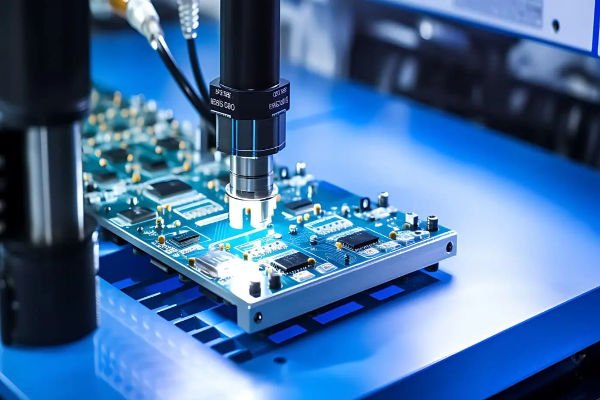
- Semiconductor Industry: As shown above, AI-enhanced imaging ensures the integrity of microchips and circuit boards, where defects can be invisible to traditional methods.
For a deeper dive into how artificial intelligence is transforming quality assurance, see this in-depth overview of AI in quality assurance.
Challenges and Considerations in AI-Based NDT
While the benefits are substantial, implementing AI in non-destructive testing is not without challenges:
- Data Quality and Quantity: Training robust AI models requires large, high-quality datasets. Poor or biased data can lead to inaccurate predictions.
- Model Drift: Over time, changes in equipment or materials can cause AI models to lose accuracy. Ongoing monitoring, such as monitoring AI model drift in factories, is essential to maintain performance.
- Integration Complexity: Merging AI systems with legacy inspection equipment and workflows may require significant investment and change management.
- Regulatory Compliance: Industries with strict safety standards must ensure that AI-driven inspections meet regulatory requirements and can be audited.
Despite these hurdles, ongoing research and development are making AI-powered NDT more accessible and robust. Companies are also exploring complementary technologies, such as wearable AI for manual inspection support, to further enhance inspector capabilities.
Future Trends in AI-Enabled Inspection
The future of non-destructive testing with AI promises even greater automation, accuracy, and scalability. Key trends to watch include:
- Edge Computing: Deploying AI models directly on inspection devices for real-time analysis, reducing latency and data transfer needs.
- Vision Transformers: Advanced deep learning architectures, such as those discussed in vision transformers for industrial use, are pushing the boundaries of image recognition in industrial settings.
- Collaborative Robots: AI-powered robots are increasingly performing inspections in hazardous or hard-to-reach environments, improving safety and efficiency.
- Cloud-Based Analytics: Centralized platforms enable remote monitoring, data sharing, and continuous improvement of inspection processes.
As these innovations mature, the role of human inspectors will shift from manual tasks to oversight, validation, and exception handling, ensuring that AI remains a powerful tool rather than a replacement.
Frequently Asked Questions
What types of defects can AI detect in non-destructive testing?
AI systems can identify a wide range of defects, including cracks, voids, corrosion, inclusions, weld discontinuities, and surface anomalies. The specific types of flaws detected depend on the inspection method and the quality of the training data used for the AI model.
Is AI-based non-destructive testing suitable for all industries?
Most industries that rely on material integrity and product quality can benefit from AI-driven NDT. Common sectors include manufacturing, aerospace, automotive, energy, and electronics. However, the suitability depends on the availability of relevant data and the ability to integrate AI with existing inspection workflows.
How does AI improve the reliability of inspection results?
By automating data analysis and reducing human subjectivity, AI delivers more consistent and accurate inspection outcomes. Machine learning models can process large volumes of data quickly, identify subtle patterns, and continuously improve as more data becomes available.
Conclusion
The integration of artificial intelligence into non-destructive testing is reshaping the landscape of industrial quality assurance. By enhancing accuracy, speed, and predictive capabilities, AI-driven inspection solutions are enabling safer, more efficient operations across a range of sectors. As technology continues to evolve, organizations that embrace these advancements will be better positioned to maintain high standards, reduce costs, and stay ahead in an increasingly competitive environment.