
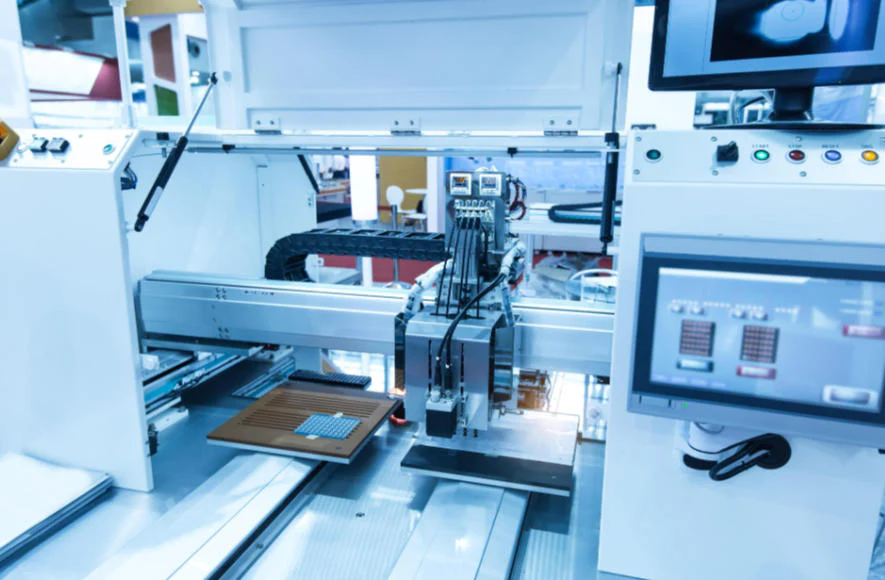
Modern manufacturing environments face increasing pressure to deliver consistent product quality while meeting regulatory and customer standards. As production lines become more complex and global supply chains expand, the need for robust quality compliance monitoring systems has never been greater. These solutions help factories automate inspections, track compliance in real time, and respond quickly to deviations, ensuring products meet both internal and external requirements.
Adopting advanced monitoring platforms not only reduces the risk of costly recalls and reputational damage but also supports continuous improvement initiatives. By integrating automated data collection and analytics, manufacturers can identify trends, optimize processes, and maintain a competitive edge in a rapidly evolving industry. For those interested in the future of autonomous quality control, understanding how these systems work today is a critical first step.
Key Components of Effective Compliance Monitoring
A comprehensive approach to quality assurance in manufacturing relies on several core elements. These include data acquisition hardware, software platforms for analysis, and integration with production equipment. Below are the main building blocks that enable factories to maintain high standards:
- Automated Inspection Devices: Cameras, sensors, and machine vision systems capture detailed information about products and processes, detecting defects or deviations in real time.
- Centralized Data Management: Cloud-based or on-premise platforms aggregate inspection data, making it accessible for analysis and reporting.
- Analytics and Reporting Tools: Advanced algorithms identify patterns, flag anomalies, and generate actionable insights for quality teams.
- Integration with MES/ERP: Seamless connectivity with Manufacturing Execution Systems (MES) and Enterprise Resource Planning (ERP) software ensures that compliance data informs broader business decisions.
- Alerting and Escalation Mechanisms: Automated notifications help teams respond quickly to quality issues, minimizing downtime and scrap.
These elements work together to create a closed feedback loop, where data drives continuous improvement and supports regulatory compliance.
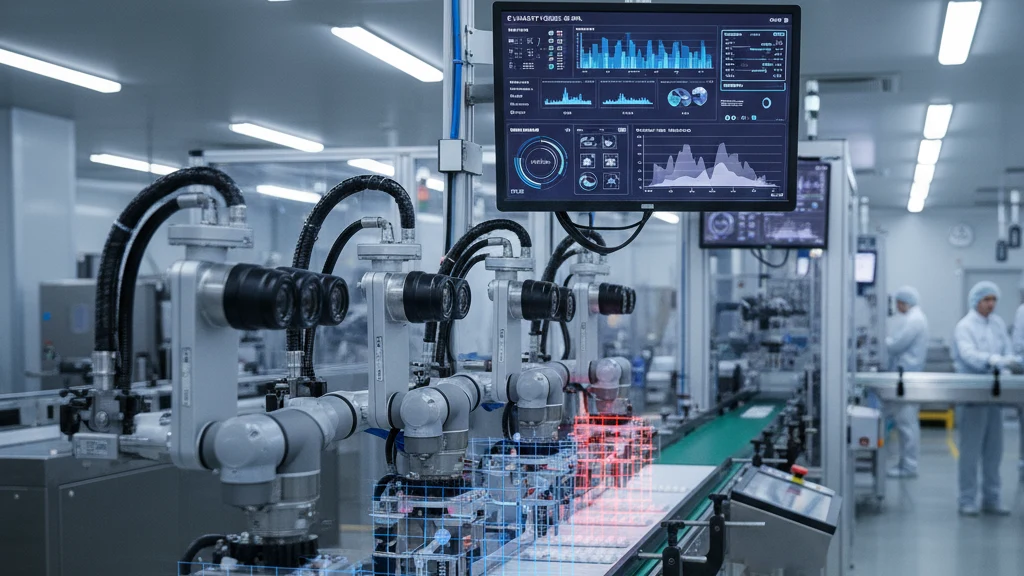
Benefits of Implementing Quality Monitoring Platforms
Deploying advanced compliance solutions delivers a range of tangible benefits for manufacturers. Some of the most significant advantages include:
- Reduced Human Error: Automated systems minimize the risk of oversight or inconsistent inspections, leading to more reliable results.
- Real-Time Visibility: Quality teams can monitor production lines as issues arise, enabling immediate corrective action and reducing waste.
- Regulatory Readiness: Detailed audit trails and documentation simplify compliance with industry standards and government regulations.
- Cost Savings: Early detection of defects and process deviations helps avoid expensive recalls, rework, and lost production time.
- Continuous Improvement: Data-driven insights support ongoing process optimization and higher product quality over time.
For a deeper dive into the operational impact of these technologies, explore the benefits of real-time production monitoring and how they translate into measurable business outcomes.
How Factories Integrate Compliance Monitoring into Operations
Adopting a new monitoring platform requires careful planning and collaboration between quality, IT, and production teams. The integration process typically involves:
- Assessment of Current Processes: Mapping existing inspection workflows and identifying gaps or pain points.
- Selection of Appropriate Technologies: Choosing hardware and software that align with production needs and regulatory requirements.
- System Integration: Connecting monitoring devices to existing MES, ERP, and automation infrastructure.
- Training and Change Management: Ensuring staff understand how to use new tools and interpret data outputs.
- Ongoing Maintenance and Optimization: Regularly reviewing system performance and updating configurations as production evolves.
Many manufacturers also leverage emerging technologies such as wearable AI for manual inspection support and augmented reality in quality audits to further enhance compliance efforts and empower frontline workers.
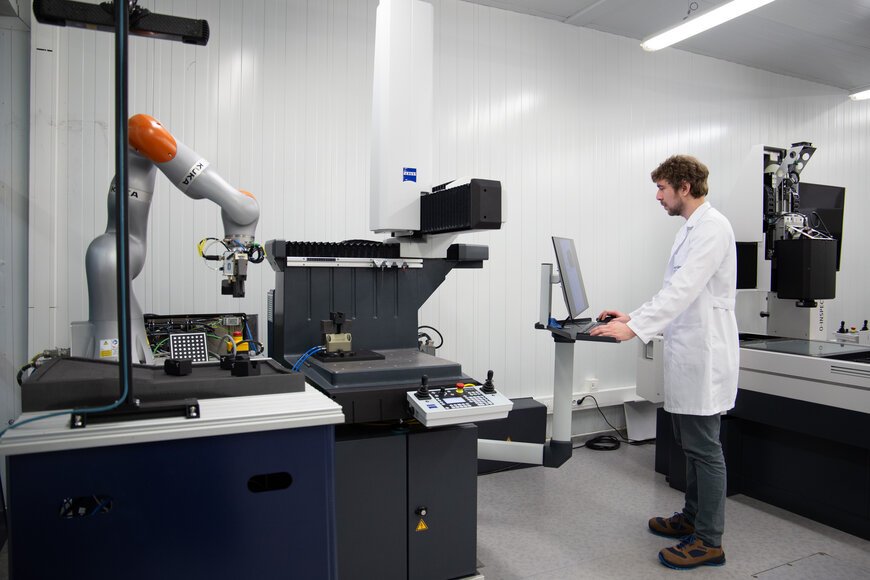
Emerging Trends in Automated Quality Assurance
The landscape of compliance monitoring is rapidly evolving, driven by advances in artificial intelligence, machine learning, and industrial IoT. Some of the most notable trends shaping the future of quality assurance include:
- AI-Powered Defect Detection: Deep learning models can identify subtle defects that traditional systems might miss, improving accuracy and reducing false positives.
- Edge Computing: Processing data closer to the production line enables faster decision-making and reduces network latency.
- Predictive Analytics: By analyzing historical and real-time data, factories can anticipate quality issues before they occur and implement preventive measures.
- Vision Transformers: Next-generation vision models are enhancing the capabilities of machine vision systems, as discussed in vision transformers for industrial use.
- Hyperparameter Optimization: Fine-tuning inspection models for specific applications leads to higher detection rates and more efficient operations. Learn more about hyperparameter tuning for inspection models in manufacturing environments.
These innovations are making it possible for manufacturers to achieve higher levels of consistency, reduce manual intervention, and adapt quickly to changing quality standards.
Challenges and Considerations for Implementation
While the advantages of advanced monitoring are clear, factories must also address several challenges to ensure successful adoption:
- Data Integration: Aggregating information from diverse sources and legacy systems can be complex and time-consuming.
- Change Management: Shifting from manual to automated inspections may require significant cultural and operational adjustments.
- Initial Investment: Upfront costs for hardware, software, and training can be substantial, though long-term savings often justify the expense.
- Cybersecurity: Protecting sensitive production and compliance data from unauthorized access is a growing concern as systems become more connected.
- Scalability: Ensuring that solutions can grow with production needs and adapt to new product lines or regulatory changes.
By proactively addressing these issues, manufacturers can maximize the return on investment from their compliance monitoring initiatives and build a foundation for future growth.
FAQ
What is a quality compliance monitoring system?
A quality compliance monitoring system is a combination of hardware and software that automatically inspects products, collects data, and ensures manufacturing processes meet regulatory and internal quality standards. These systems help factories identify defects, track compliance, and generate reports for audits.
How do automated monitoring platforms improve manufacturing quality?
Automated platforms reduce human error, provide real-time visibility into production, and enable faster responses to quality issues. By continuously collecting and analyzing data, they support ongoing process improvement and help manufacturers maintain consistent product standards.
Are these systems suitable for small and medium-sized factories?
Yes, many modern solutions are scalable and can be tailored to fit the needs of smaller operations. Cloud-based platforms and modular hardware options make it easier for businesses of all sizes to implement effective compliance monitoring without extensive upfront investment.