
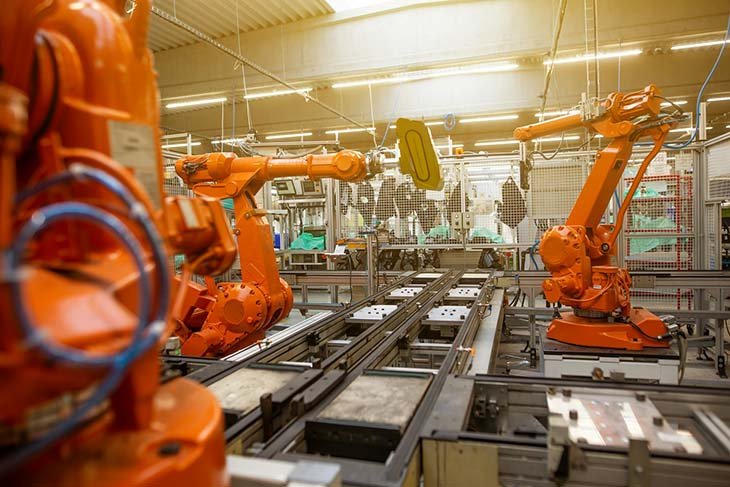
In today’s fast-paced manufacturing and distribution environments, packaging line quality monitoring has become an essential process for ensuring that products reach customers accurately and safely. Even minor mistakes on the packaging line—such as incorrect labeling, missing items, or damaged packaging—can lead to costly shipping errors, customer dissatisfaction, and potential regulatory issues. By implementing robust monitoring systems, businesses can significantly reduce these risks and maintain high standards of quality and reliability.
Modern quality assurance on packaging lines goes beyond simple visual checks. It incorporates advanced technologies, data analytics, and automation to detect and prevent errors in real time. As industries move toward smarter, more connected operations, the integration of these systems is no longer optional but a necessity for staying competitive and compliant. For those interested in the broader landscape of automated inspection, the future of autonomous quality control offers valuable insights into where the industry is heading.
Why Quality Monitoring on Packaging Lines Matters
Shipping errors can have far-reaching consequences. They not only result in direct costs—such as returns, reshipping, and wasted materials—but also damage a company’s reputation and erode customer trust. In regulated sectors like pharmaceuticals or food, even a single error can lead to recalls or legal penalties. That’s why quality monitoring systems for packaging lines are critical for businesses aiming to deliver consistent, error-free shipments.
Effective monitoring ensures that every package meets the required specifications before leaving the facility. This includes verifying product counts, checking for correct labeling, ensuring packaging integrity, and confirming that all required documentation is included. By catching discrepancies early, companies can prevent errors from reaching the customer and avoid the downstream costs associated with remediation.
Key Technologies in Modern Packaging Line Quality Monitoring
Advancements in technology have transformed how manufacturers approach quality assurance on packaging lines. Today, a combination of hardware and software solutions work together to detect and address potential issues instantly.
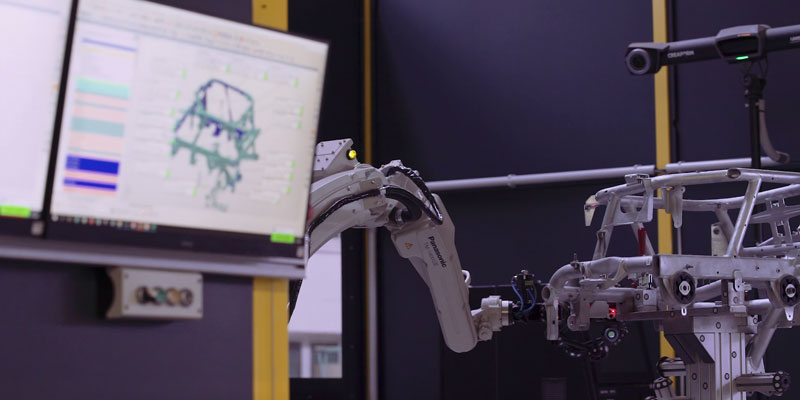
- Vision Systems: High-resolution cameras and machine vision algorithms inspect packaging for defects, incorrect labels, or missing components. These systems operate at high speeds and can catch errors that human inspectors might overlook.
- Automated Weighing: Inline scales verify that each package contains the correct number of items. Deviations trigger automatic rejection or alerts for further inspection.
- Barcode and RFID Scanning: Automated scanners ensure that each package is correctly identified and tracked throughout the process, reducing the risk of mis-shipments.
- Data Analytics: Real-time data collection and analysis help identify trends, recurring issues, and opportunities for process improvement.
For organizations looking to further enhance manual inspection, solutions like wearable AI for manual inspection support are becoming increasingly popular, providing digital assistance to human operators and reducing error rates.
Best Practices for Implementing Quality Monitoring Systems
To maximize the benefits of packaging line quality monitoring, companies should follow a set of best practices that address both technology and process:
- Define Clear Quality Standards: Establish measurable criteria for packaging, labeling, and documentation. Ensure that all team members understand these standards.
- Integrate Monitoring Early: Incorporate quality checks at multiple points along the packaging line, not just at the end. Early detection prevents compounding errors.
- Automate Where Possible: Use automation to handle repetitive, high-volume inspections. This reduces human error and increases throughput.
- Train Staff Regularly: Even with automation, human oversight remains important. Regular training ensures that staff can respond to alerts and handle exceptions effectively.
- Leverage Real-Time Data: Monitor performance metrics and respond quickly to deviations. Real-time dashboards and alerts help teams stay proactive.
For a deeper dive into how real-time monitoring can reduce downtime and boost productivity, see this guide to real-time monitoring for increased output.
Common Causes of Shipping Errors and How Monitoring Prevents Them
Understanding the root causes of shipping mistakes is key to designing effective quality assurance processes. Some of the most frequent issues include:
- Incorrect Labeling: Misapplied or unreadable labels can result in packages being sent to the wrong destination. Automated vision and scanning systems help ensure label accuracy.
- Missing or Extra Items: Manual packing errors can lead to shortages or overages. Automated weighing and counting systems verify contents before sealing.
- Damaged Packaging: Packages that are crushed, torn, or improperly sealed may not protect contents during transit. Vision systems and physical sensors detect these issues early.
- Documentation Errors: Missing invoices, packing slips, or regulatory documents can delay shipments or cause compliance issues. Automated document verification ensures completeness.
By integrating comprehensive quality monitoring on packaging lines, companies can catch these issues before products leave the facility, minimizing the risk of costly errors.

Trends and Innovations in Packaging Line Quality Assurance
The field of packaging line monitoring is evolving rapidly. Artificial intelligence, machine learning, and advanced sensors are making it possible to detect ever more subtle defects and anomalies. For example, vision transformers for industrial use are enabling next-generation visual inspection with higher accuracy and adaptability.
Other innovations include the use of augmented reality for quality audits, where inspectors can visualize data overlays in real time. For more on this, explore the potential of augmented reality in quality audits. Additionally, continuous improvement in inspection models through hyperparameter tuning for inspection models is helping companies optimize their quality control processes.
As these technologies become more accessible, even small and medium-sized manufacturers can benefit from sophisticated quality assurance without prohibitive costs.
Benefits of a Proactive Approach to Quality Monitoring
Adopting a proactive stance toward packaging line quality monitoring delivers several advantages:
- Reduced Shipping Errors: Early detection and correction of issues prevent costly mistakes from reaching customers.
- Improved Customer Satisfaction: Consistent, error-free shipments build trust and encourage repeat business.
- Regulatory Compliance: Automated checks help ensure that all packaging meets industry and legal standards.
- Operational Efficiency: Real-time monitoring and automated rejection of faulty packages streamline the workflow and reduce manual rework.
- Data-Driven Improvement: Ongoing analysis of quality data uncovers trends and guides process enhancements.
FAQ
What are the main components of a packaging line quality monitoring system?
A comprehensive monitoring setup typically includes vision inspection cameras, automated weighing stations, barcode or RFID scanners, and integrated software for real-time data analysis. These components work together to detect errors, verify package integrity, and ensure accurate labeling and documentation.
How does automated monitoring reduce human error on packaging lines?
Automated systems perform inspections at high speed and with consistent accuracy, catching issues that might be missed by manual checks. By handling repetitive tasks, these systems free up human workers to focus on exceptions and problem-solving, further reducing the likelihood of mistakes.
Can small businesses benefit from quality monitoring technologies?
Yes, advancements in technology have made quality monitoring solutions more affordable and scalable. Even small and medium-sized enterprises can implement basic vision systems, automated scales, or barcode scanners to improve accuracy and reduce shipping errors.