
In today’s fast-evolving manufacturing landscape, digital traceability in production has become a cornerstone for operational excellence, regulatory compliance, and customer trust. As supply chains grow more complex and consumer expectations rise, organizations are under increasing pressure to provide transparent, real-time insights into every step of their production processes. This guide explores how digital traceability delivers end-to-end visibility, the technologies driving its adoption, and the tangible benefits it brings to manufacturers and their customers.
The concept of traceability is not new, but the digital transformation of manufacturing has elevated it from a record-keeping task to a strategic advantage. By leveraging digital tools, manufacturers can track materials, components, and finished products throughout their lifecycle, ensuring quality, accountability, and responsiveness to market demands. For those interested in how advanced technologies are shaping quality control, the future of autonomous quality control offers valuable insights into upcoming trends.
What Is Digital Traceability and Why Does It Matter?
At its core, digital traceability in production refers to the ability to digitally record, track, and analyze the journey of materials, components, and products as they move through the manufacturing process. Unlike traditional paper-based systems, digital solutions provide real-time data, seamless integration with other enterprise systems, and the ability to quickly respond to quality issues or recalls.
The importance of traceability has grown alongside stricter regulations, globalized supply chains, and heightened consumer awareness. Manufacturers must now demonstrate not only that their products meet quality standards, but also that they can pinpoint the origin of every part and process involved. This transparency is essential for industries such as automotive, electronics, pharmaceuticals, and food production, where safety and compliance are paramount.
Key Technologies Enabling Traceability in Modern Manufacturing
Several technological advancements have made it possible to achieve comprehensive traceability across production lines. These include:
- Barcode and QR Code Systems: Widely used for tracking parts and products, these codes can be scanned at each stage of production to update digital records instantly.
- RFID (Radio Frequency Identification): RFID tags enable automated, contactless tracking of items, improving speed and accuracy in environments where manual scanning is impractical.
- Industrial IoT (Internet of Things): Connected sensors and devices collect real-time data on equipment performance, product status, and environmental conditions, feeding this information into centralized traceability platforms.
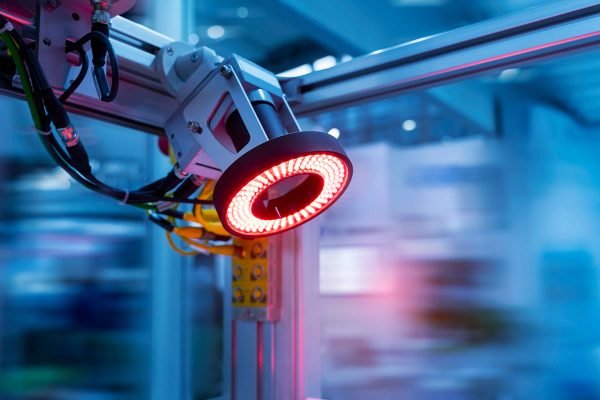
- Vision Systems and AI: Advanced imaging and artificial intelligence can verify product quality, identify defects, and ensure that each item meets specifications before moving to the next stage. For more on this, see how vision transformers for industrial use are revolutionizing inspection.
- Cloud-Based Traceability Platforms: These solutions aggregate data from multiple sources, providing a unified view of the entire production process and enabling remote monitoring and analytics.
Benefits of End-to-End Visibility for Manufacturers
Implementing digital traceability offers a range of benefits that go beyond compliance. Here are some of the most significant advantages:
- Quality Assurance: By capturing data at every step, manufacturers can quickly identify and address quality issues, reducing scrap, rework, and warranty claims.
- Faster Recalls and Root Cause Analysis: In the event of a defect or safety concern, digital records allow organizations to trace affected batches or components instantly, minimizing the scope and impact of recalls.
- Regulatory Compliance: Many industries face strict regulations regarding product safety, labeling, and documentation. Digital traceability systems simplify compliance by automating record-keeping and reporting.
- Operational Efficiency: Real-time data enables better planning, inventory management, and process optimization, leading to reduced downtime and improved throughput.
- Customer Trust and Transparency: Providing detailed traceability information can enhance brand reputation and build trust with customers who demand to know the origins and safety of the products they purchase.
For a deeper look at how real-time monitoring supports these benefits, explore the importance of real-time quality control in your supply chain.
Challenges in Implementing Digital Traceability Solutions
While the advantages are clear, achieving full visibility across production is not without its challenges. Common obstacles include:
- Legacy Systems: Many manufacturers still rely on outdated or siloed IT systems that are not easily integrated with modern traceability platforms.
- Data Quality and Consistency: Inaccurate or incomplete data can undermine the effectiveness of traceability efforts. Ensuring data integrity requires robust processes and employee training.
- Cost and Complexity: Implementing new technologies often involves significant upfront investment and change management, especially for large or multi-site operations.
- Cybersecurity Risks: As more production data moves online, protecting sensitive information from cyber threats becomes a critical concern.
Despite these hurdles, the long-term benefits of digital traceability far outweigh the initial challenges, especially as solutions become more scalable and user-friendly.
Best Practices for Achieving Comprehensive Traceability
To maximize the value of digital traceability, manufacturers should consider the following best practices:
- Start with a Clear Strategy: Define your goals for traceability, whether they are compliance-driven, quality-focused, or aimed at operational efficiency.
- Integrate Across the Value Chain: Ensure that traceability solutions connect suppliers, production lines, warehouses, and distribution channels for a seamless flow of information.
- Leverage Automation and AI: Automated data capture and intelligent analytics can reduce manual effort and uncover insights that drive continuous improvement.
- Prioritize Data Security: Implement robust cybersecurity measures to protect sensitive production and customer data.
- Train and Engage Employees: Foster a culture of accountability and continuous learning to ensure that staff understand the importance of accurate data entry and compliance.
For organizations exploring the intersection of human expertise and digital tools, wearable technologies are also enhancing manual inspection processes. Learn more about wearable AI for manual inspection support and how they complement traceability initiatives.
Applications Across Different Industries
The principles of digital traceability are being applied across a wide range of sectors:
- Automotive: Tracking every component from supplier to assembly line ensures safety, quality, and rapid response to recalls.
- Pharmaceuticals: End-to-end tracking helps prevent counterfeiting, supports regulatory compliance, and guarantees product integrity.
- Food and Beverage: Traceability systems enable quick identification of contamination sources and support transparent labeling for consumers.
- Electronics: Monitoring the origin and handling of sensitive components reduces the risk of defects and supports warranty management.
Emerging technologies such as augmented reality are also enhancing data visualization and audit processes. For more on this, see how augmented reality in quality audits is transforming the way manufacturers visualize and interact with traceability data.
Future Trends in Traceability and Production Visibility
Looking ahead, the evolution of digital traceability will be shaped by several trends:
- Blockchain Integration: Distributed ledger technology promises tamper-proof records and greater trust across supply chains.
- AI-Driven Predictive Analytics: Machine learning models will increasingly predict quality issues and optimize production flows based on traceability data.
- Greater Interoperability: Open standards and APIs will make it easier for different systems and partners to share traceability information securely.
- Enhanced Human-Machine Collaboration: As automation advances, human expertise will remain essential for interpreting data and making critical decisions.
Manufacturers who invest in these capabilities will be better positioned to adapt to regulatory changes, meet customer expectations, and compete in a global marketplace.
FAQ
How does digital traceability differ from traditional traceability methods?
Traditional traceability often relies on manual record-keeping and paper-based logs, which can be slow, error-prone, and difficult to audit. Digital traceability uses automated data capture, real-time updates, and centralized databases, providing faster, more accurate, and easily accessible information throughout the production process.
What are the first steps to implementing a digital traceability system?
Begin by assessing your current processes and identifying key areas where visibility is lacking. Define clear objectives, select technologies that integrate with your existing systems, and ensure that your team is trained on new procedures. Starting with a pilot project can help demonstrate value and build momentum for broader adoption.
Can digital traceability help with sustainability initiatives?
Yes, comprehensive traceability enables organizations to track the environmental impact of their products, monitor resource usage, and ensure responsible sourcing. This data supports sustainability reporting and helps companies meet regulatory and consumer demands for ethical production.