
Modern manufacturing and process industries face increasing pressure to deliver products with minimal defects and maximum efficiency. Achieving this level of reliability requires more than just skilled operators and advanced machinery—it demands robust batch quality monitoring systems that can track, analyze, and optimize every stage of production. These solutions play a pivotal role in ensuring that each batch meets strict quality standards, reducing waste, and maintaining customer trust.
The evolution of industrial automation has brought significant advancements in how quality is monitored and managed. By integrating real-time data collection, analytics, and automated alerts, these systems empower organizations to detect deviations early and take corrective action before issues escalate. As industries move toward greater digitalization, understanding the value and implementation of batch monitoring tools is essential for maintaining a competitive edge.
For those interested in how these technologies may evolve, exploring the future of autonomous quality control offers valuable insights into upcoming trends and innovations.
Understanding Batch Quality Monitoring in Industrial Settings
Batch processes are common in industries such as pharmaceuticals, chemicals, food and beverage, and specialty manufacturing. Unlike continuous production, batch operations involve discrete runs where raw materials are processed together as a group. This approach makes it crucial to monitor quality parameters throughout each stage to ensure uniformity and compliance.
Batch quality monitoring systems are designed to collect data from sensors, instruments, and control systems during every phase of the batch cycle. They track variables such as temperature, pressure, pH, mixing speed, and ingredient ratios. By analyzing this information in real time, operators can identify trends, spot anomalies, and make data-driven decisions that safeguard product integrity.
Core Components of Modern Quality Monitoring Solutions
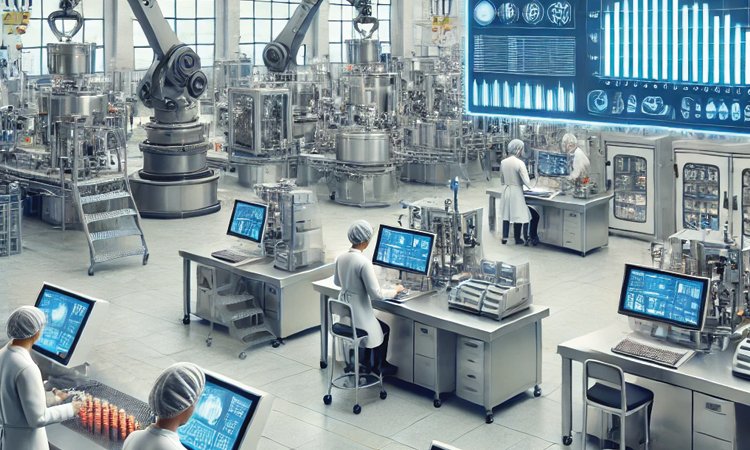
A comprehensive monitoring solution typically comprises several integrated modules, each contributing to consistent and reliable output:
- Data Acquisition: Sensors and IoT devices capture critical process parameters at high frequency, feeding information into centralized databases.
- Real-Time Analytics: Advanced algorithms process incoming data to detect deviations from setpoints, enabling immediate intervention.
- Reporting and Visualization: Dashboards and automated reports provide clear visibility into batch performance, helping teams identify areas for improvement.
- Alerting and Notifications: Automated alerts notify operators of potential issues, reducing response times and minimizing the risk of defective batches.
- Historical Data Management: Storing and analyzing past batch data supports root cause analysis and continuous improvement initiatives.
These components work together to create a closed-loop system that not only monitors but also actively enhances process quality.
Benefits of Implementing Batch Quality Monitoring Systems
Integrating a robust monitoring solution offers a range of tangible benefits for manufacturers and process industries:
- Consistent Product Quality: By maintaining tight control over process variables, organizations can ensure every batch meets predefined standards.
- Reduced Waste and Rework: Early detection of deviations prevents the production of off-spec products, saving time and resources.
- Regulatory Compliance: Automated recordkeeping and traceability features simplify audits and help meet industry regulations.
- Improved Efficiency: Real-time insights enable proactive maintenance and process optimization, reducing downtime and boosting throughput.
- Enhanced Customer Satisfaction: Reliable quality control builds trust with customers and strengthens brand reputation.
For a deeper look at the advantages of continuous process oversight, consider reading about the benefits of real-time monitoring in industrial environments.
Key Features to Look for in Batch Quality Monitoring Platforms
When selecting a monitoring platform, it’s important to evaluate features that align with your operational needs and compliance requirements. Here are some essential capabilities to consider:
- Customizable Dashboards: Tailored visualizations allow users to focus on the most relevant metrics for their processes.
- Automated Data Logging: Reliable, tamper-proof data storage ensures traceability and supports regulatory reporting.
- Integration with Existing Systems: Compatibility with MES, ERP, and SCADA systems streamlines data flow and reduces manual entry.
- Scalability: The ability to expand monitoring coverage as production grows is critical for long-term value.
- Advanced Analytics: Machine learning and AI-driven insights can uncover hidden patterns and suggest process optimizations.
Choosing a solution with these features can help organizations maximize the return on investment and future-proof their quality assurance strategy.
Challenges and Best Practices for Consistent Batch Output
While the advantages are clear, implementing and maintaining batch monitoring systems comes with its own set of challenges. Data integration, system calibration, and user training can all impact the effectiveness of these solutions. To overcome these hurdles, consider the following best practices:
- Standardize Data Collection: Ensure all sensors and instruments are calibrated and data is collected using consistent protocols.
- Invest in Training: Equip staff with the knowledge to interpret data and respond appropriately to alerts.
- Regularly Review System Performance: Conduct periodic audits to identify gaps and opportunities for improvement.
- Leverage Advanced Technologies: Explore innovations such as vision transformers for industrial use to enhance defect detection and process control.
By following these guidelines, organizations can maximize the reliability and impact of their monitoring investments.
Integrating Batch Quality Monitoring with Emerging Technologies
The landscape of quality assurance is rapidly evolving, with new technologies offering even greater precision and efficiency. Artificial intelligence, augmented reality, and wearable devices are being integrated into monitoring platforms to provide enhanced decision support and real-time feedback.
For example, wearable AI for manual inspection support can assist operators in identifying defects more accurately, while augmented reality in quality audits enables teams to visualize process data directly on the shop floor. These advancements not only improve detection rates but also make quality management more interactive and accessible.
As these innovations mature, integrating them with existing batch monitoring infrastructure will be key to maintaining a competitive advantage and achieving operational excellence.
FAQ
What industries benefit most from batch quality monitoring systems?
Industries that rely on discrete batch processes—such as pharmaceuticals, chemicals, food and beverage, and specialty manufacturing—see the greatest benefits. These sectors require strict control over process variables to ensure product uniformity, safety, and compliance with regulatory standards.
How do batch monitoring solutions improve regulatory compliance?
These systems automate data logging and provide detailed traceability for every batch, making it easier to generate compliance reports and pass audits. Automated alerts and documentation also help organizations respond quickly to deviations, reducing the risk of non-compliance.
Can existing production lines be retrofitted with modern monitoring platforms?
Yes, many modern solutions are designed to integrate with legacy equipment and control systems. By adding compatible sensors and software interfaces, organizations can enhance their quality monitoring capabilities without the need for a complete overhaul.