

Achieving consistent quality while scaling operations is a top priority for manufacturers and service providers alike. As organizations grow, maintaining high standards becomes more complex, making process optimization for quality improvement essential. By refining workflows, leveraging data, and integrating advanced monitoring, businesses can reduce errors, boost efficiency, and deliver better outcomes at scale.
This guide explores practical strategies for enhancing quality through process optimization, from foundational principles to advanced technologies. Whether you’re in manufacturing, logistics, or any process-driven industry, understanding how to systematically improve your operations can lead to significant gains in both product quality and organizational performance.
For organizations looking to minimize downtime while improving quality, exploring downtime reduction through quality monitoring can provide valuable insights into how real-time data and monitoring strategies contribute to overall process excellence.
Understanding the Fundamentals of Process Optimization
At its core, process optimization involves systematically analyzing and improving workflows to eliminate inefficiencies, reduce waste, and enhance output quality. The goal is to create a repeatable, reliable system that consistently delivers products or services that meet or exceed customer expectations.
Key elements of effective optimization include:
- Mapping current processes to identify bottlenecks and sources of variation
- Setting measurable quality objectives aligned with business goals
- Implementing data-driven decision-making to guide improvements
- Standardizing best practices to ensure consistency as operations scale
By focusing on these principles, organizations lay the groundwork for sustainable improvements in both quality and efficiency.
Key Steps to Enhance Quality Through Process Optimization
Improving quality at scale requires a structured approach. Here are the main steps organizations should follow:
1. Analyze and Map Existing Processes
Begin by documenting every step in your workflow. Use process mapping tools or flowcharts to visualize how tasks are performed, where handoffs occur, and where errors or delays are most likely. This transparency is crucial for identifying improvement opportunities.

2. Identify Root Causes of Quality Issues
Use tools like the 5 Whys, Pareto analysis, or fishbone diagrams to trace defects or inefficiencies back to their source. This ensures that corrective actions address the real issues rather than just symptoms.
3. Set Clear, Measurable Goals
Define what quality means for your organization. This could involve reducing defect rates, improving customer satisfaction scores, or shortening cycle times. Make sure goals are specific, measurable, achievable, relevant, and time-bound (SMART).
4. Implement Targeted Improvements
Once the root causes are clear, design and implement changes. This might include automating manual steps, retraining staff, or introducing new quality control checks. Pilot improvements on a small scale before rolling them out more broadly.
5. Monitor and Adjust Continuously
Optimization is not a one-time event. Use continuous monitoring to track key performance indicators and catch new issues as they arise. Feedback loops allow organizations to adapt quickly and maintain high standards as conditions change.
Leveraging Technology for Process Optimization and Quality Gains
Modern technologies are transforming how organizations approach quality improvement. Automation, machine vision, and advanced analytics can dramatically increase both the speed and accuracy of quality checks, while reducing human error.
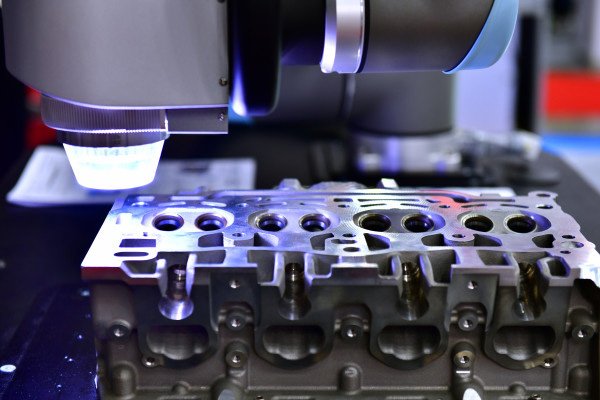
For example, integrating OEE monitoring and quality control systems can help organizations boost plant efficiency by providing real-time data on equipment effectiveness and product quality. Automated inspection systems, powered by machine learning, can detect subtle defects that manual checks might miss, ensuring higher consistency even as production volumes increase.
Digital traceability solutions also play a key role, enabling end-to-end visibility across the supply chain. This allows for rapid identification and correction of quality issues, minimizing the impact of defects and supporting compliance with industry regulations.
Scaling Quality Improvement Initiatives
As organizations grow, maintaining control over quality becomes more challenging. Standardization is critical: by documenting and enforcing best practices, companies can ensure that every location or team operates at the same high standard.
Batch quality monitoring systems are particularly useful for industries where products are produced in lots or batches. These systems help maintain consistent output by tracking quality metrics for each batch, making it easier to identify trends and intervene early if issues arise.
Additionally, packaging line quality monitoring can prevent costly shipping errors and protect brand reputation as order volumes increase. By combining these targeted solutions with a culture of continuous improvement, organizations can scale confidently without sacrificing quality.
Best Practices for Sustainable Process Optimization
- Engage cross-functional teams: Involve staff from operations, quality, IT, and management to ensure improvements are practical and widely adopted.
- Invest in training: Equip employees with the skills needed to adapt to new processes and technologies.
- Foster a culture of accountability: Make quality everyone’s responsibility, not just the quality department’s.
- Use data to drive decisions: Rely on objective metrics rather than assumptions when evaluating process changes.
- Review and refine regularly: Schedule periodic audits to ensure processes remain optimized as business needs evolve.
Related Solutions for Quality and Efficiency
To further support your journey, consider exploring these related resources:
- Learn how OEE monitoring and quality control can boost plant efficiency and drive continuous improvement.
- Discover the benefits of packaging line quality monitoring to prevent shipping errors and enhance customer satisfaction.
- Explore digital traceability in production for end-to-end visibility and rapid issue resolution.
- Understand how batch quality monitoring systems can help maintain consistent output in batch manufacturing environments.
Frequently Asked Questions
What are the main benefits of optimizing processes for quality?
Optimizing processes leads to higher product consistency, reduced defect rates, lower operational costs, and improved customer satisfaction. It also enables organizations to scale more effectively by ensuring that quality standards are maintained as production increases.
How can technology support process optimization for quality improvement?
Technologies such as automation, machine vision, and real-time monitoring systems help detect issues faster, reduce manual errors, and provide actionable insights. These tools allow organizations to respond quickly to problems and maintain high standards even in complex or high-volume environments.
What are some common challenges when scaling quality improvement initiatives?
Common challenges include maintaining consistency across multiple locations, ensuring staff are properly trained, and integrating new technologies with existing systems. Overcoming these obstacles requires strong leadership, clear communication, and a commitment to continuous improvement.