
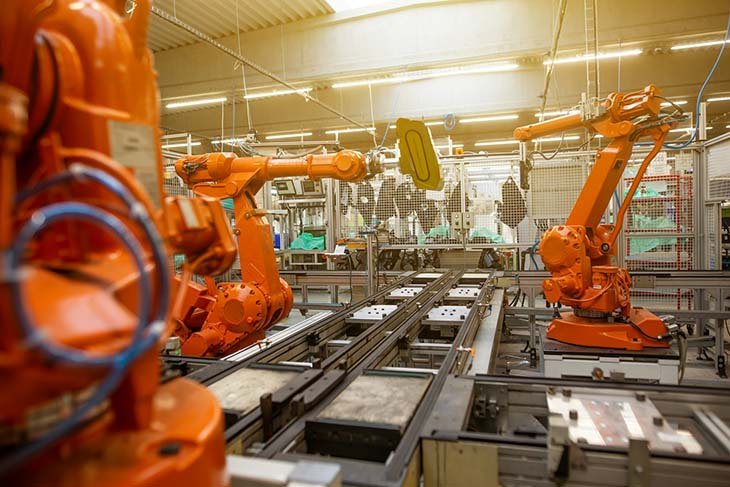
Modern manufacturing is evolving rapidly, with efficiency, quality, and agility now at the forefront of competitive advantage. As production environments become more complex, smart manufacturing monitoring solutions have emerged as essential tools for teams seeking to optimize operations, minimize downtime, and ensure consistent output. These systems harness real-time data, automation, and advanced analytics to empower decision-makers, streamline workflows, and drive continuous improvement.
For organizations aiming to reduce errors, improve traceability, and boost productivity, adopting intelligent monitoring technologies is no longer optional—it’s a strategic necessity. This article explores the core components, benefits, and best practices for implementing these advanced systems, providing a practical roadmap for manufacturers ready to embrace digital transformation.
One of the most impactful ways to enhance operational efficiency is through OEE monitoring and quality control. By integrating these systems early, manufacturers can quickly identify bottlenecks, reduce waste, and improve overall plant performance.
Key Features of Advanced Monitoring Systems
Modern monitoring platforms are designed to provide actionable insights across every stage of the production process. Here are some of the most valuable features found in today’s smart manufacturing monitoring solutions:
- Real-Time Data Acquisition: Sensors and IoT devices collect live data from machines, lines, and environmental conditions, enabling instant visibility into production status.
- Automated Alerts: The system notifies teams of anomalies, deviations, or potential failures, allowing for rapid response and preventive action.
- Comprehensive Dashboards: Customizable interfaces display key metrics such as throughput, downtime, quality rates, and energy usage in an accessible format.
- Predictive Analytics: Advanced algorithms analyze historical and current data to forecast maintenance needs, quality issues, or supply chain disruptions.
- Integration Capabilities: Seamless connectivity with ERP, MES, and quality management systems ensures data flows efficiently throughout the organization.
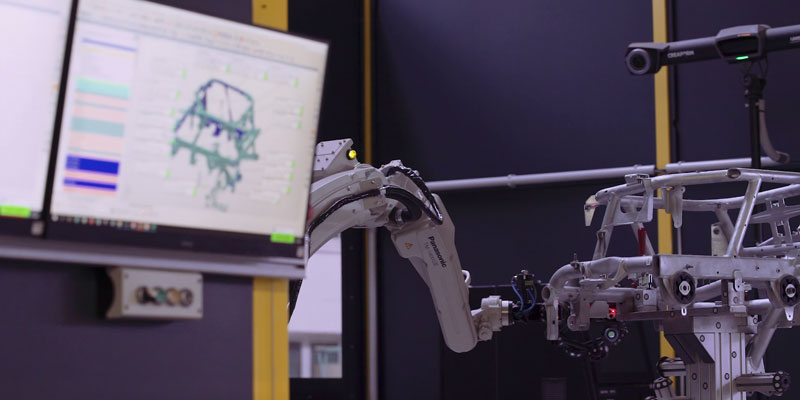
How Smart Monitoring Drives Productivity and Quality
Deploying intelligent monitoring tools delivers measurable improvements in both productivity and product quality. By capturing and analyzing data in real time, teams can:
- Quickly detect and address process deviations before they escalate into costly defects or downtime.
- Identify underperforming assets or bottlenecks, enabling targeted maintenance and process optimization.
- Improve resource allocation by understanding true equipment utilization and labor efficiency.
- Enhance traceability, making it easier to track materials, batches, and finished goods throughout the supply chain.
For example, integrating batch quality monitoring systems can ensure consistency across production runs, while automated data collection reduces manual errors and paperwork.
According to industry experts, leveraging these technologies can lead to significant reductions in unplanned downtime and increased output. For a deeper dive into how real-time monitoring impacts operational performance, see this analysis of real-time monitoring for reducing downtime and boosting output.
Implementing Digital Monitoring: Best Practices
Successfully adopting smart manufacturing monitoring solutions requires careful planning and a clear understanding of organizational goals. Here are some best practices to guide implementation:
- Define Clear Objectives: Identify the key performance indicators (KPIs) that matter most to your business, such as yield, cycle time, or energy consumption.
- Start with Pilot Projects: Test new monitoring technologies on a limited scale to validate benefits and refine integration strategies.
- Ensure Data Quality: Invest in reliable sensors and connectivity to guarantee accurate, timely data collection.
- Train Teams: Equip staff with the skills needed to interpret dashboards, respond to alerts, and leverage insights for process improvement.
- Integrate with Existing Systems: Connect monitoring platforms with ERP, MES, and quality management tools for seamless data flow and reporting.
- Review and Iterate: Regularly assess system performance and user feedback to drive continuous improvement.
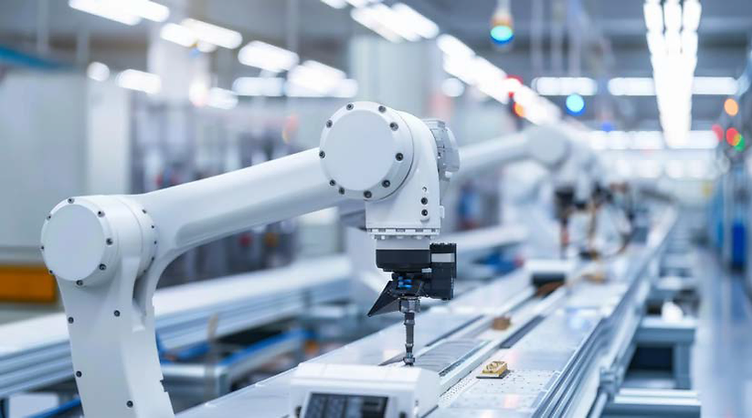
Integrating Quality and Traceability Into Monitoring
A comprehensive monitoring strategy goes beyond machine data, encompassing quality assurance and traceability. By linking quality checks directly to production data, teams can:
- Detect defects early and prevent non-conforming products from reaching customers.
- Trace issues back to specific batches, operators, or equipment for root cause analysis.
- Comply with regulatory requirements and customer audits more efficiently.
For teams focused on packaging and shipping accuracy, adopting packaging line quality monitoring can help prevent costly shipping errors and returns. Meanwhile, embracing digital traceability in production ensures end-to-end visibility, supporting both compliance and customer satisfaction.
Reducing Downtime With Proactive Monitoring
Unplanned downtime remains one of the biggest challenges in manufacturing. Smart monitoring platforms enable proactive maintenance by:
- Identifying early warning signs of equipment failure through vibration, temperature, or performance data.
- Scheduling maintenance activities based on actual usage and condition, rather than fixed intervals.
- Providing historical data for root cause analysis and long-term reliability improvements.
To explore targeted strategies for minimizing production interruptions, review practical approaches to downtime reduction through quality monitoring.
FAQ: Smart Monitoring in Manufacturing
What are the main benefits of implementing smart monitoring in manufacturing?
Key advantages include improved operational efficiency, reduced downtime, enhanced product quality, and better traceability. Teams gain real-time visibility into production, enabling faster decision-making and continuous process improvement.
How do smart monitoring systems support quality control?
By integrating quality checks with live production data, these systems help identify defects early, reduce manual errors, and streamline compliance. Automated alerts and analytics enable teams to address quality issues before they impact customers.
Is it difficult to integrate monitoring solutions with existing manufacturing systems?
Most modern platforms are designed for seamless integration with ERP, MES, and quality management tools. Starting with pilot projects and ensuring robust data connectivity can help ease the transition and maximize return on investment.
How can teams ensure data security when using connected monitoring devices?
Adopting secure network protocols, regular software updates, and access controls are essential steps. Working with reputable vendors and following industry best practices further reduces cybersecurity risks.
Adopting smart manufacturing monitoring solutions is a transformative step for any production team. By leveraging real-time data, automation, and analytics, manufacturers can unlock new levels of efficiency, quality, and competitiveness in an increasingly digital world.