

Automated manufacturing environments are evolving rapidly, driven by the need for higher efficiency, reduced errors, and consistent output. At the heart of this transformation is machine vision quality control, a technology that empowers factories to inspect products and processes at speeds and accuracies beyond human capability. By integrating advanced cameras, sensors, and intelligent algorithms, manufacturers can detect defects, monitor production lines, and ensure product compliance in real time.
For organizations aiming to minimize downtime and maximize throughput, leveraging vision-based inspection systems is no longer optional—it’s a competitive necessity. These solutions not only improve product quality but also provide actionable data for continuous process improvement. If you’re interested in strategies that further support operational excellence, explore downtime reduction through quality monitoring for additional insights into minimizing production interruptions.
How Vision-Based Inspection Works in Modern Manufacturing
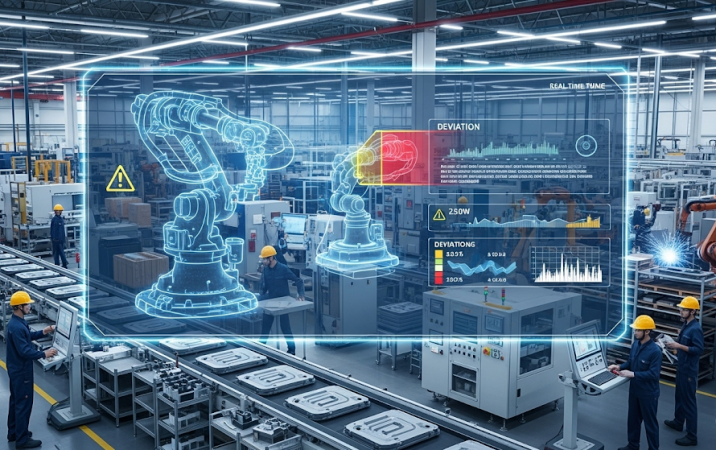
The core of machine vision quality control lies in its ability to replicate and surpass human visual inspection. These systems use high-resolution cameras and lighting setups to capture images of products as they move along the production line. Advanced software then analyzes these images, comparing them to predefined standards or using artificial intelligence to identify anomalies.
Key steps in the process include:
- Image Acquisition: Cameras capture detailed images of products or components at various stages of production.
- Image Processing: Software algorithms process the images, enhancing features and isolating areas of interest.
- Analysis and Decision: The system evaluates the processed images against quality criteria, flagging any deviations or defects.
- Feedback and Action: When a defect is detected, the system can trigger alarms, reject faulty items, or adjust machinery parameters automatically.
This approach enables manufacturers to achieve consistent quality, reduce human error, and handle high-speed production lines that would be impossible to monitor manually.
Benefits of Automated Visual Inspection for Factories
Implementing vision-based inspection systems brings a range of advantages to automated factories:
- Increased Accuracy: Machine vision can detect subtle defects invisible to the human eye, ensuring higher product quality.
- Speed and Scalability: These systems operate at production line speeds, inspecting thousands of items per hour without fatigue.
- Consistent Results: Automated inspection eliminates variability, delivering the same high standard every time.
- Data Collection: Vision systems generate valuable data for process optimization, traceability, and compliance reporting.
- Cost Reduction: Early defect detection reduces waste, rework, and warranty claims, directly impacting the bottom line.
For industries such as electronics, automotive, food and beverage, and pharmaceuticals, these benefits translate into improved customer satisfaction and regulatory compliance.
Key Applications in Industrial Environments
Machine vision quality control is applied across a wide range of manufacturing processes. Some common use cases include:
- Surface Inspection: Detecting scratches, dents, or discoloration on metal, plastic, or glass surfaces.
- Assembly Verification: Ensuring all components are present and correctly assembled in complex products.
- Dimensional Measurement: Verifying that parts meet precise size and shape specifications.
- Barcode and Label Reading: Checking for correct labeling and traceability throughout the supply chain.
- Packaging Inspection: Confirming that packaging is intact, sealed, and properly labeled to prevent shipping errors.
For more on how vision systems help prevent distribution mistakes, see our guide on packaging line quality monitoring.
Integrating Vision Systems with Factory Automation
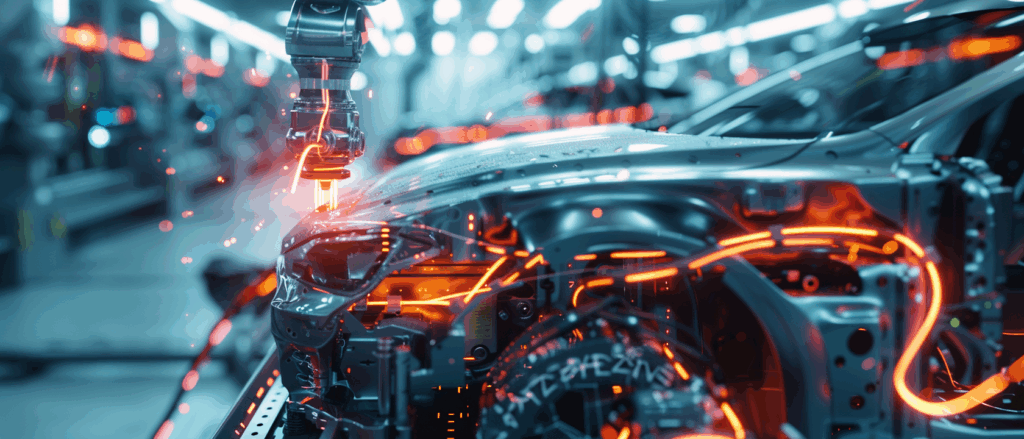
The effectiveness of vision-based quality control increases when integrated with other automation technologies. Modern factories connect vision systems to programmable logic controllers (PLCs), robotics, and manufacturing execution systems (MES) for seamless operation. This integration enables real-time feedback and adaptive process control, where machines can automatically adjust based on inspection results.
For example, if a vision system detects a misaligned component, it can instruct a robotic arm to correct the issue or remove the defective item from the line. This closed-loop approach minimizes manual intervention and supports continuous improvement initiatives.
To further enhance efficiency, many manufacturers are adopting OEE monitoring and quality control solutions, which combine vision data with overall equipment effectiveness metrics for a holistic view of plant performance.
Challenges and Considerations in Deploying Vision Inspection
While the advantages are clear, implementing machine vision quality control comes with its own set of challenges:
- Lighting and Environment: Consistent lighting is critical for accurate image capture. Variations can lead to false positives or missed defects.
- Complexity of Products: Highly variable or reflective surfaces may require advanced imaging techniques and software calibration.
- Integration Complexity: Connecting vision systems with legacy equipment or disparate software platforms can be technically demanding.
- Initial Investment: While costs have decreased, high-quality vision systems still require upfront capital and skilled personnel for setup and maintenance.
- Data Management: Handling and analyzing large volumes of inspection data necessitates robust IT infrastructure and cybersecurity measures.
Despite these hurdles, the long-term gains in quality, efficiency, and traceability make vision inspection a worthwhile investment for most manufacturers.
Future Trends: AI, Digital Twins, and Real-Time Monitoring
The future of vision-based quality assurance is being shaped by several technological trends:
- Artificial Intelligence: Deep learning algorithms are enabling systems to recognize complex patterns and adapt to new defect types with minimal human intervention.
- Digital Twins: Virtual replicas of production lines allow for simulation and optimization of inspection processes before deployment.
- Edge Computing: Processing data at the source reduces latency and enables faster decision-making on the factory floor.
- Real-Time Monitoring: Integrating vision systems with real-time monitoring platforms provides instant feedback, supporting predictive maintenance and rapid response to quality issues.
These advancements are making vision inspection more accessible, flexible, and powerful, paving the way for fully autonomous factories.
Best Practices for Implementing Vision-Based Quality Control
To maximize the value of visual inspection technology, manufacturers should consider the following best practices:
- Start with a clear definition of quality standards and inspection criteria for each product or process.
- Invest in high-quality cameras, lenses, and lighting to ensure reliable image capture.
- Collaborate with experienced system integrators to tailor solutions to your specific production environment.
- Train staff on system operation, maintenance, and troubleshooting to minimize downtime.
- Continuously monitor and refine inspection algorithms to adapt to changes in products or processes.
For organizations seeking to ensure consistent output across batches, batch quality monitoring systems can complement vision-based inspection by providing additional layers of oversight and data analysis.
FAQ
What types of defects can machine vision systems detect?
Vision-based inspection can identify a wide range of defects, including surface scratches, dents, missing components, incorrect assembly, dimensional inaccuracies, and labeling errors. The specific capabilities depend on the system’s configuration and the complexity of the inspection task.
How does machine vision improve traceability in manufacturing?
By capturing and storing detailed inspection data for every item produced, vision systems support traceability initiatives. This data can be linked to serial numbers or barcodes, enabling manufacturers to track products throughout the supply chain. For more on this topic, see our article on digital traceability in production.
Is it difficult to retrofit existing production lines with vision inspection?
While integrating vision systems into legacy equipment can present challenges, many solutions are designed for flexible deployment. Working with experienced vendors and conducting thorough site assessments can help ensure a smooth retrofit process and minimize disruption to ongoing operations.