
Organizations in manufacturing and technology-driven sectors are under constant pressure to adapt, innovate, and deliver higher quality products faster than ever. As teams grow and processes evolve, the need for continuous improvement quality systems becomes more apparent. These frameworks empower teams to systematically identify inefficiencies, reduce waste, and foster a culture of ongoing development. In this article, we’ll explore how modern teams can leverage these systems to remain agile and competitive in a rapidly changing environment.
Before diving into the practical aspects, it’s important to recognize that improvement is not a one-time event. Instead, it’s a mindset and a structured approach that touches every part of an organization. Teams that embrace this philosophy can quickly adapt to new challenges, implement best practices, and consistently deliver better results.
For teams looking to enhance their data-driven decision-making, exploring advanced manufacturing quality analytics can provide valuable insights and support continuous improvement initiatives.
Why Modern Teams Need Ongoing Quality Enhancement
The landscape of manufacturing and production is shifting rapidly. New technologies, customer expectations, and regulatory requirements demand that teams not only maintain quality but also improve it over time. Continuous improvement quality systems help organizations stay ahead by embedding a proactive approach to problem-solving and process optimization.
Some of the key reasons for adopting these systems include:
- Increased competitiveness: Teams that consistently improve can outpace rivals in quality, efficiency, and innovation.
- Enhanced adaptability: As markets and technologies change, organizations with robust improvement frameworks can pivot more effectively.
- Employee engagement: Involving staff in ongoing improvement fosters ownership, motivation, and a sense of contribution.
- Reduced costs and waste: Systematic problem-solving leads to leaner operations and better resource utilization.
Core Principles of Continuous Improvement Frameworks
At the heart of every successful improvement system are a few foundational principles. While the terminology may vary—Kaizen, Lean, Six Sigma, or Total Quality Management—the underlying concepts remain consistent:
- Iterative progress: Small, incremental changes are made regularly, rather than waiting for major overhauls.
- Data-driven decisions: Teams rely on measurable results and analytics to guide their actions.
- Employee involvement: Everyone, from leadership to the shop floor, participates in identifying and solving problems.
- Standardization: Once improvements are proven, they are documented and standardized to ensure consistency.
- Customer focus: Enhancements are always aligned with delivering greater value to end users.
Key Components of Effective Improvement Systems
To build a successful approach for ongoing quality enhancement, organizations should focus on several critical components:
- Clear Objectives and Metrics: Define what success looks like. Use manufacturing performance indicators to measure progress and identify areas for improvement.
- Structured Problem-Solving: Adopt proven methodologies such as PDCA (Plan-Do-Check-Act), DMAIC (Define-Measure-Analyze-Improve-Control), or root cause analysis to tackle issues systematically.
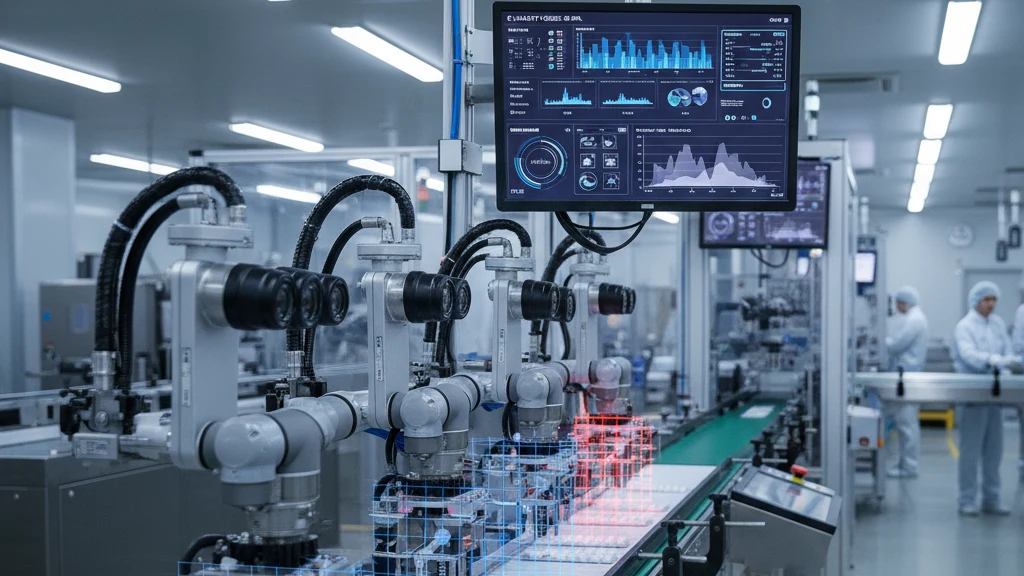
- Real-Time Monitoring: Implement tools and systems that provide immediate feedback on process performance. For example, real-time production monitoring can help teams quickly spot deviations and respond proactively.
- Knowledge Sharing: Encourage open communication and documentation of lessons learned, so improvements are sustained and replicated across teams.
- Leadership Commitment: Ensure that management supports and participates in improvement efforts, setting the tone for a culture of excellence.
Adapting Improvement Systems for Growing and Changing Teams
As organizations expand or restructure, their improvement strategies must evolve. What works for a small, tightly knit group may not scale for a larger, more distributed team. Here are some strategies for adapting quality systems as teams grow:
- Decentralize Decision-Making: Empower local teams to identify and implement changes, while maintaining alignment with organizational goals.
- Leverage Digital Tools: Use cloud-based platforms, dashboards, and analytics to facilitate collaboration and visibility across locations.
- Standardize Best Practices: Document successful improvements and make them accessible to all teams, ensuring consistency as the organization scales.
- Invest in Training: Provide ongoing education on quality tools, methodologies, and technologies to keep skills current.
Integrating Quality Monitoring and Analytics
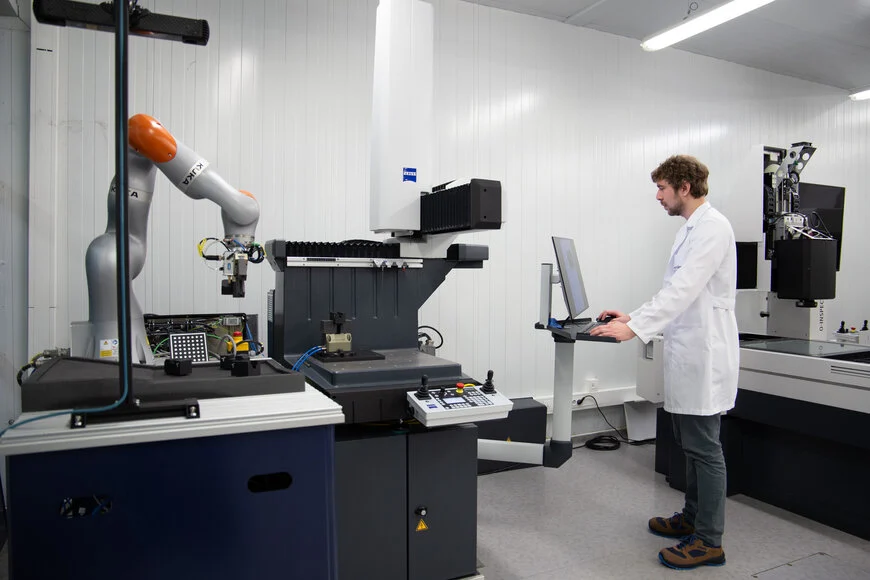
Modern improvement frameworks increasingly rely on advanced monitoring and analytics to drive decision-making. By integrating next generation quality monitoring systems and leveraging data, organizations can detect issues earlier, understand trends, and make more informed choices.
For example, automated systems can alert teams to quality drift or process variance in real time, enabling rapid response and minimizing defects. Exploring quality drift detection systems and variance detection in manufacturing can further strengthen a company’s ability to maintain consistent standards even as complexity increases.
Overcoming Common Challenges in Continuous Improvement
While the benefits are clear, implementing and sustaining improvement initiatives can be challenging. Some common obstacles include:
- Change resistance: Employees may be hesitant to alter established routines. Transparent communication and involvement are key to overcoming this.
- Resource constraints: Improvement efforts require time and investment. Prioritizing high-impact projects helps maximize returns.
- Data overload: Too much information can be as problematic as too little. Focus on actionable metrics that directly support organizational goals.
- Lack of follow-through: Without accountability and regular review, even the best ideas can fade. Establish routines for checking progress and celebrating successes.
Best Practices for Sustaining a Culture of Improvement
To ensure that improvement is not just a project but a lasting part of the organization’s DNA, consider these best practices:
- Celebrate wins: Recognize teams and individuals who contribute to progress.
- Encourage experimentation: Allow teams to test new ideas in a controlled way, learning from both successes and failures.
- Maintain transparency: Share results openly, both positive and negative, to build trust and drive engagement.
- Review and refine: Regularly revisit processes and metrics to ensure they remain relevant as the organization evolves.
FAQ
What are the main benefits of implementing continuous improvement quality systems?
These systems help organizations boost efficiency, reduce waste, enhance product quality, and foster a culture of innovation. They also improve adaptability, employee engagement, and customer satisfaction by ensuring that processes are always evolving to meet new challenges.
How can teams overcome resistance to change when adopting new quality frameworks?
Open communication, involving employees in decision-making, providing training, and demonstrating quick wins can help reduce resistance. Leadership support and clear explanations of the benefits are also crucial for successful adoption.
What role does technology play in modern continuous improvement initiatives?
Technology enables real-time monitoring, advanced analytics, and seamless collaboration across teams. Digital tools help organizations detect issues early, track progress, and standardize best practices, making improvement efforts more effective and scalable.