
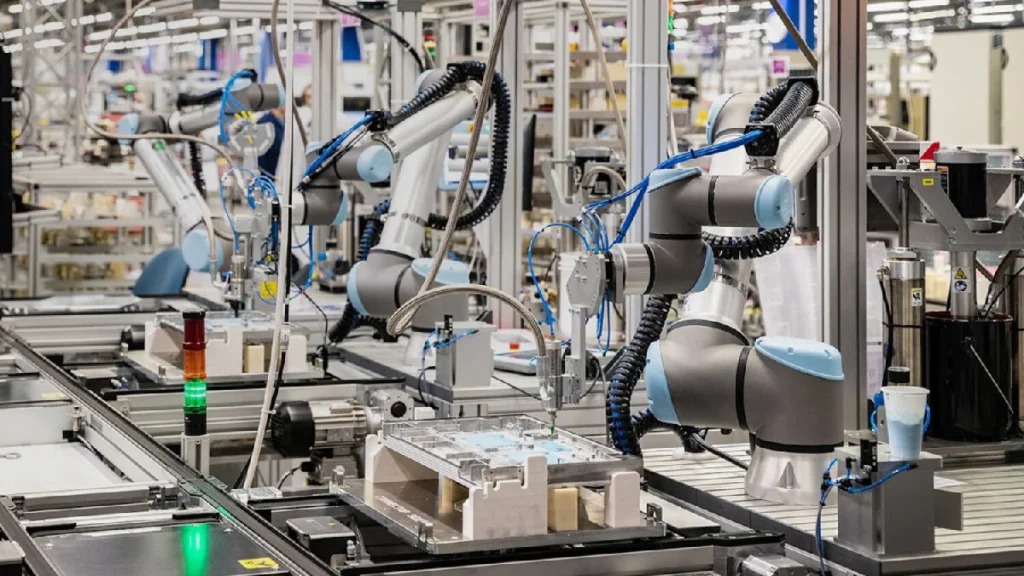
In today’s competitive industrial landscape, understanding and monitoring manufacturing performance indicators is essential for any organization aiming to improve efficiency, reduce costs, and maintain high product quality. These metrics provide actionable insights into production processes, equipment effectiveness, and workforce productivity. By focusing on the right indicators, manufacturers can identify bottlenecks, optimize operations, and make data-driven decisions that support continuous improvement.
Selecting which metrics to track can be challenging, especially with the vast array of data available on the shop floor. This article explores the most critical performance measures, explains why they matter, and offers practical advice for integrating them into your daily operations. For those interested in strategies to minimize production downtime, our guide on downtime reduction through quality monitoring provides additional insights.
Why Key Metrics Matter in Manufacturing
Tracking the right manufacturing performance indicators is more than a best practice—it’s a necessity for staying competitive. These metrics act as a pulse check for your operations, revealing strengths and weaknesses in real time. They help teams spot inefficiencies, monitor quality, and ensure that production goals align with business objectives.
With the rise of Industry 4.0 and digital transformation, real-time data collection and analysis have become more accessible. Leveraging these insights enables manufacturers to respond quickly to issues, reduce waste, and enhance overall productivity. For a deeper dive into the benefits of real-time monitoring, see this overview of real-time production monitoring benefits.
Essential Manufacturing Performance Indicators to Monitor
Not all metrics are created equal. Focusing on the most impactful indicators ensures that your team is measuring what truly matters. Below are the core categories and specific metrics every manufacturer should consider.

1. Overall Equipment Effectiveness (OEE)
OEE is a comprehensive metric that evaluates how effectively manufacturing equipment is utilized. It combines three key factors: availability, performance, and quality. High OEE scores indicate that equipment is running efficiently, producing quality products at the expected speed with minimal downtime.
- Availability: Measures equipment uptime versus planned production time.
- Performance: Assesses if machines are running at optimal speed.
- Quality: Evaluates the ratio of good parts produced versus total output.
For more on how to leverage OEE and quality control for plant efficiency, explore our article on OEE monitoring and quality control.
2. Production Throughput
Throughput measures the number of units produced within a specific period. Monitoring this indicator helps manufacturers assess whether production targets are being met and identify trends or disruptions that may require attention.
- Hourly or daily output: Tracks production volume over time.
- Cycle time: Measures the time taken to complete one production cycle.
3. Yield and Scrap Rate
Yield represents the percentage of products that meet quality standards on the first pass, while scrap rate tracks the proportion of defective or wasted materials. High yield and low scrap rates are signs of an efficient, quality-focused operation.
- First-pass yield: Percentage of products passing inspection without rework.
- Scrap rate: Amount of material or product discarded due to defects.
4. Downtime Tracking
Unplanned downtime can significantly impact productivity and profitability. Monitoring downtime—both in frequency and duration—helps pinpoint recurring issues, whether they’re related to equipment failure, maintenance, or process inefficiencies.
- Mean time between failures (MTBF): Average time between equipment breakdowns.
- Mean time to repair (MTTR): Average time required to fix equipment and resume production.
5. Quality Control Metrics
Quality indicators are vital for maintaining customer satisfaction and regulatory compliance. Tracking defect rates, customer returns, and rework levels ensures that quality standards remain high and issues are addressed promptly.
- Defect density: Number of defects per batch or unit produced.
- Customer complaints: Frequency and nature of product-related issues reported by customers.

Advanced Metrics for Modern Manufacturing
As manufacturing processes become more complex, additional metrics can provide deeper insights into operational performance. These advanced indicators help organizations stay ahead of the curve and maintain a competitive edge.
Traceability and Compliance
Traceability metrics track the movement and transformation of materials throughout the production process. This is crucial for industries with strict regulatory requirements or those seeking to enhance transparency. For a detailed look at how digital solutions enable end-to-end visibility, see our resource on digital traceability in production.
Batch Consistency and Process Stability
Monitoring batch quality and process stability ensures that products remain consistent across multiple production runs. This reduces variability, minimizes rework, and supports customer satisfaction. Manufacturers interested in maintaining consistent output can benefit from systems like batch quality monitoring systems.
Packaging and Shipping Accuracy
Errors in packaging or shipping can lead to costly returns and dissatisfied customers. Tracking metrics related to packaging line performance and shipping accuracy helps prevent mistakes before products leave the facility. Learn more about these strategies in our article on packaging line quality monitoring.
Best Practices for Implementing Performance Tracking
To get the most value from manufacturing performance indicators, organizations should follow a structured approach:
- Define clear objectives: Align metrics with business goals and operational priorities.
- Automate data collection: Use sensors, software, and connected devices to gather accurate, real-time data.
- Visualize and analyze data: Implement dashboards and reporting tools to make insights accessible to all stakeholders.
- Review and refine: Regularly assess which metrics are most valuable and adjust tracking as processes evolve.
- Foster a culture of continuous improvement: Encourage teams to use data for problem-solving and innovation.
Common Challenges and How to Overcome Them
While tracking performance is essential, manufacturers often face obstacles such as data overload, integration issues, and resistance to change. Overcoming these challenges requires a combination of the right technology, clear communication, and ongoing training.
- Start small: Focus on a handful of key metrics before expanding your tracking efforts.
- Ensure data integrity: Validate data sources and automate collection to reduce errors.
- Engage your team: Involve operators and managers in the process to build buy-in and accountability.
FAQ: Manufacturing Metrics and Performance Tracking
What are the most important manufacturing KPIs to track?
The most critical KPIs include OEE, throughput, yield, scrap rate, downtime, and quality metrics such as defect density and customer complaints. These indicators provide a holistic view of production efficiency and product quality.
How often should manufacturing performance be reviewed?
Performance should be monitored continuously, with regular reviews—such as daily, weekly, or monthly—depending on the metric and production environment. Real-time dashboards can help teams respond quickly to emerging issues.
How can manufacturers use performance data to drive improvement?
By analyzing trends and identifying root causes of inefficiency or defects, manufacturers can implement targeted improvements, optimize resource allocation, and support a culture of continuous improvement throughout the organization.