
Manufacturing operations rely on precision and consistency, but even the most advanced production lines face the challenge of defects. As products move from raw materials to finished goods, subtle anomalies can slip through, leading to costly recalls, wasted resources, and dissatisfied customers. Pattern recognition in manufacturing defects has emerged as a powerful solution, enabling teams to spot recurring issues, automate quality control, and drive continuous improvement.
By leveraging advanced analytics, machine vision, and AI, manufacturers can now detect irregularities faster and more accurately than ever before. This article explores how modern pattern recognition techniques are transforming defect detection, the benefits for quality assurance, and practical steps for implementation. For teams seeking to enhance their quality strategies, integrating these tools with advanced manufacturing quality analytics can provide a comprehensive approach to smarter production.
Understanding Pattern Recognition in Defect Detection
At its core, pattern recognition in manufacturing defects involves using algorithms and data-driven models to identify trends, outliers, and recurring issues within production data. Unlike traditional inspection methods, which often rely on manual checks or simple rule-based systems, pattern recognition leverages statistical analysis and machine learning to uncover hidden relationships and subtle deviations.
These systems analyze data from a variety of sources, including sensors, cameras, and quality logs. By comparing current production output to established standards or historical patterns, they can flag anomalies that might indicate a defect—sometimes before the issue becomes visible to the human eye.
Key Technologies Powering Modern Defect Detection
Several technologies contribute to the effectiveness of pattern recognition for defect analysis:
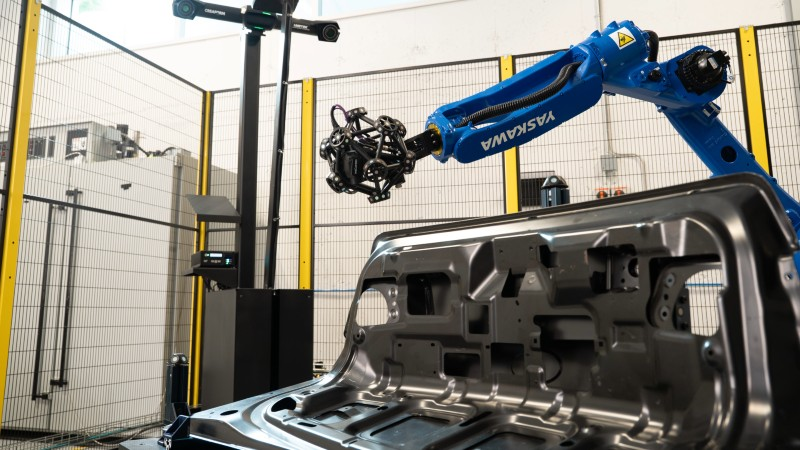
- Machine Vision: High-resolution cameras and image processing software can automatically inspect products for surface flaws, dimensional errors, or assembly mistakes.
- Artificial Intelligence (AI): Deep learning models are trained on thousands of defect images, enabling them to recognize complex patterns and classify defects with high accuracy.
- Statistical Process Control (SPC): By monitoring process data in real time, SPC systems can detect shifts or trends that signal emerging quality issues.
- Sensor Networks: IoT-enabled sensors collect data on temperature, pressure, vibration, and other variables, feeding it into analytics platforms for pattern analysis.
Integrating these technologies creates a robust ecosystem for early detection and prevention, reducing the risk of defective products reaching customers.
Benefits of Automated Pattern Recognition for Quality Assurance
Adopting automated pattern recognition offers several advantages for manufacturers:
- Increased Detection Accuracy: Algorithms can spot subtle or complex defect patterns that human inspectors might miss, especially in high-speed or high-volume environments.
- Faster Response Times: Real-time analysis enables immediate action, minimizing the spread of defects and reducing downtime.
- Consistent Quality: Automated systems apply the same criteria to every product, eliminating variability and bias in inspections.
- Cost Savings: Early detection reduces scrap, rework, and warranty claims, directly impacting the bottom line.
- Data-Driven Improvement: Detailed defect data supports root cause analysis and continuous process optimization.
For organizations looking to further enhance their monitoring capabilities, exploring next generation quality monitoring systems can provide additional insights and automation options.
Implementing Pattern Recognition in Your Manufacturing Process
Transitioning to automated defect detection requires careful planning and the right mix of technology and expertise. Here are the essential steps:
- Assess Your Current Quality Control Processes: Identify pain points, recurring defects, and areas where manual inspection is time-consuming or error-prone.
- Collect and Organize Data: Gather historical defect records, sensor readings, and production logs. Clean, labeled data is critical for training effective models.
- Select Appropriate Tools: Choose machine vision systems, AI platforms, or SPC software that align with your production needs and budget.
- Integrate with Existing Systems: Ensure new tools can communicate with your MES, ERP, or other production management platforms.
- Train and Validate Models: Use historical and real-time data to train pattern recognition algorithms, then validate their performance on new samples.
- Monitor and Refine: Continuously track system performance, update models as new defect types emerge, and refine processes for optimal results.
For teams interested in proactive quality management, combining pattern recognition with quality drift detection systems can help maintain consistent standards even as production variables change.

Common Types of Defects Detected Through Pattern Analysis
Pattern recognition systems are capable of identifying a wide range of manufacturing defects, including:
- Surface Imperfections: Scratches, dents, discoloration, or foreign material on product surfaces.
- Dimensional Errors: Parts that are out of tolerance due to machining or assembly issues.
- Assembly Mistakes: Missing components, misaligned parts, or incorrect fastener placement.
- Process Deviations: Variations in temperature, pressure, or speed that lead to inconsistent product quality.
- Material Defects: Inclusions, porosity, or cracks within raw materials or finished goods.
By analyzing both visual and process data, these systems can catch issues early, supporting a culture of continuous improvement and operational excellence. For more on monitoring process changes, see this resource on variance detection in manufacturing.
Integrating Pattern Recognition with Continuous Monitoring
The most effective quality programs combine pattern recognition with ongoing monitoring and analytics. By continuously tracking production data, manufacturers can spot emerging trends, respond quickly to deviations, and prevent minor issues from escalating.
For a deeper understanding of how ongoing oversight supports defect detection, review this explanation of continuous monitoring in manufacturing environments. Integrating these approaches creates a closed-loop system where data drives action, and every defect becomes an opportunity for learning and improvement.
Best Practices for Maximizing the Value of Defect Pattern Analysis
To get the most from your investment in automated defect detection, consider these best practices:
- Start Small, Scale Fast: Pilot pattern recognition on a single line or product, then expand as you demonstrate ROI.
- Engage Cross-Functional Teams: Involve quality, engineering, and IT staff to ensure smooth implementation and data integration.
- Maintain Data Quality: Regularly review and clean your data sources to ensure accurate analysis and model training.
- Invest in Training: Equip your team with the skills to interpret results and take corrective action quickly.
- Monitor Key Metrics: Track manufacturing performance indicators to measure the impact of your pattern recognition initiatives.
FAQ: Pattern Recognition for Manufacturing Defect Detection
How does pattern recognition differ from traditional quality inspection?
Traditional inspection methods often rely on manual checks or simple rule-based systems, which can be subjective and inconsistent. Pattern recognition uses data-driven algorithms and machine learning to identify complex trends and subtle anomalies, resulting in more accurate and consistent defect detection.
What types of manufacturing environments benefit most from automated defect analysis?
High-volume, high-speed production lines—such as those in automotive, electronics, and consumer goods—see significant benefits. However, any operation with recurring quality challenges or a need for traceability can improve outcomes with pattern-based analysis.
Is it difficult to integrate pattern recognition systems with existing manufacturing software?
Many modern solutions are designed for compatibility with common MES, ERP, and quality management platforms. The key is to ensure data can flow seamlessly between systems and that staff are trained on both the technology and new workflows.
Can pattern recognition help with regulatory compliance?
Yes, automated defect detection provides detailed records and traceability, supporting compliance with industry standards and customer requirements. It also helps demonstrate a proactive approach to quality management during audits.
In summary, leveraging pattern recognition in manufacturing defects empowers organizations to move from reactive inspection to proactive quality assurance. By combining advanced analytics, machine vision, and continuous monitoring, manufacturers can reduce defects, save costs, and deliver higher-quality products to their customers.