
As manufacturing environments evolve, the demand for high speed inspection systems continues to grow. Modern production lines operate at unprecedented speeds, making it essential to implement inspection solutions that can keep pace without sacrificing accuracy. These advanced systems play a crucial role in maintaining product quality, reducing waste, and ensuring compliance with industry standards.
In fast-moving industrial settings, even minor defects can result in significant losses if not detected promptly. Automated inspection technologies—powered by machine vision, artificial intelligence, and real-time analytics—help manufacturers identify issues instantly, enabling corrective action before problems escalate. For organizations seeking to optimize their quality control processes, understanding the capabilities and benefits of these rapid inspection solutions is key.

For those interested in leveraging data-driven insights to enhance quality assurance, exploring advanced manufacturing quality analytics can provide a strong foundation for smarter decision-making and continuous improvement.
Why Fast Inspection Matters in Modern Manufacturing
Production lines today are designed for efficiency and scale. As output rates increase, so does the risk of undetected defects slipping through traditional manual checks. High speed inspection systems address this challenge by providing automated, continuous monitoring that matches the pace of rapid manufacturing environments.
Key reasons for adopting these solutions include:
- Consistent quality assurance: Automated systems deliver uniform inspection criteria, minimizing human error.
- Reduced downtime: Early detection of anomalies prevents costly stoppages and rework.
- Regulatory compliance: Meeting industry standards is easier with reliable, documented inspection data.
- Cost savings: By catching defects early, manufacturers reduce waste and improve yield.

Core Technologies Behind High-Speed Inspection
The effectiveness of rapid inspection solutions relies on a blend of advanced technologies. Key components include:
- Machine vision: High-resolution cameras and lighting systems capture detailed images of products as they move along the line.
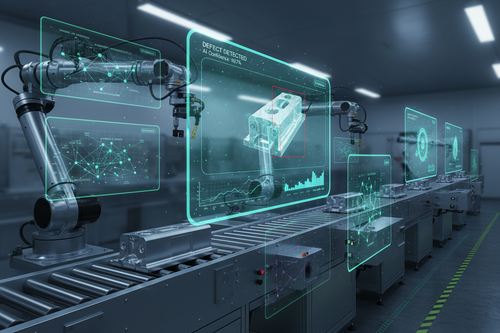
- Artificial intelligence: AI algorithms analyze visual data, identifying defects, deviations, or inconsistencies in real time.
- Edge computing: Processing data at the source reduces latency, allowing for immediate feedback and action.
- Integration with MES/ERP: Seamless connectivity ensures inspection results are logged and accessible for traceability and reporting.
These technologies work together to deliver accurate, high-throughput inspection without slowing down production. As a result, manufacturers can maintain quality standards even as they scale up operations.
Key Features of Automated Quality Control Solutions
When evaluating high speed inspection systems, several features stand out as essential for supporting rapid production environments:
- Real-time defect detection: Immediate identification and classification of issues, enabling operators to intervene quickly.
- Scalability: Systems must adapt to varying line speeds and product types without extensive reconfiguration.
- Data analytics: Advanced reporting tools help track trends, identify recurring problems, and support continuous improvement initiatives.
- Minimal false positives: High accuracy reduces unnecessary stoppages and ensures only genuine defects are flagged.
- User-friendly interfaces: Intuitive dashboards and controls make it easy for staff to monitor performance and respond to alerts.
For manufacturers aiming to further enhance their monitoring capabilities, solutions like next generation quality monitoring systems offer additional layers of intelligence and automation.
Benefits of Implementing Rapid Inspection on Production Lines
Deploying automated inspection at high speeds delivers measurable advantages:
- Higher product quality: Continuous monitoring ensures that only items meeting strict criteria reach customers.
- Faster response to issues: Real-time alerts allow teams to address problems before they impact large batches.
- Lower operational costs: Reducing scrap, rework, and warranty claims improves the bottom line.
- Improved traceability: Digital records support audits and help pinpoint the root causes of defects.
These benefits are particularly valuable in industries where safety, reliability, and brand reputation are paramount, such as automotive, electronics, food and beverage, and pharmaceuticals.
Challenges and Considerations for High-Speed Inspection
While the advantages are clear, implementing rapid inspection solutions comes with its own set of challenges:
- Integration complexity: Connecting new systems with existing production infrastructure can require careful planning.
- Initial investment: Advanced inspection equipment and software represent a significant upfront cost, though ROI is often realized through efficiency gains.
- Training requirements: Staff must be trained to interpret data and maintain equipment for optimal performance.
- Managing data volume: High-speed systems generate large amounts of inspection data, necessitating robust storage and analytics capabilities.
To address these challenges, manufacturers are increasingly turning to quality drift detection systems and other smart tools that help maintain consistent standards over time.
Best Practices for Maximizing Inspection Efficiency
To get the most from automated inspection in fast-paced environments, consider the following best practices:
- Define clear quality criteria: Establish detailed standards for what constitutes a defect or deviation.
- Regularly calibrate equipment: Ensure cameras, lighting, and sensors are maintained for consistent accuracy.
- Leverage analytics: Use data to identify trends, optimize processes, and prevent recurring issues.
- Integrate with broader quality initiatives: Connect inspection data with variance detection in manufacturing and other quality management tools.
- Stay proactive: Adopt real-time monitoring strategies to catch problems before they escalate.
By following these guidelines, manufacturers can ensure that their investment in high-speed inspection delivers lasting value.
Industry Trends: The Future of Automated Inspection
The landscape of automated quality control is evolving rapidly. Emerging trends include:
- AI-driven predictive analytics: Systems are moving beyond detection to prediction, helping prevent defects before they occur.
- Cloud-based data management: Centralized storage and analysis enable better collaboration and benchmarking across sites.
- Integration with IoT devices: Sensors and connected equipment provide richer data streams for more comprehensive inspection.
- Greater customization: Solutions are becoming more adaptable to unique product types and production workflows.
As these trends continue, the role of high speed inspection systems will only become more central to manufacturing success.
FAQ
What types of defects can automated inspection systems detect?
Modern inspection solutions can identify a wide range of defects, including surface scratches, dimensional inaccuracies, color deviations, missing components, and packaging errors. The specific capabilities depend on the technology used, such as machine vision or AI-based analysis.
How do high-speed inspection systems handle different product types?
Many advanced solutions are designed to be flexible, allowing for quick reconfiguration to accommodate various product shapes, sizes, and materials. This adaptability is achieved through adjustable hardware and software settings, often managed via user-friendly interfaces.
Are these systems suitable for small and medium-sized manufacturers?
Yes, while the initial investment can be significant, scalable options are available for businesses of all sizes. The long-term benefits—such as reduced waste, improved quality, and enhanced compliance—often justify the cost, even for smaller operations.
How can inspection data be used to improve production?
Inspection data provides valuable insights into process performance, common defect types, and areas for improvement. By analyzing this information, manufacturers can implement targeted changes, optimize workflows, and support continuous improvement initiatives.
What is the difference between high-speed and traditional inspection methods?
Traditional inspection often relies on manual checks, which can be slow and inconsistent. High-speed systems use automation and real-time analytics to inspect products rapidly and accurately, ensuring consistent quality at scale.
For organizations focused on minimizing downtime, integrating inspection with downtime reduction through quality monitoring strategies can further boost productivity and operational resilience.