
In today’s fast-paced manufacturing landscape, minimizing unplanned stoppages is essential for maintaining productivity, profitability, and customer satisfaction. Industrial continuous monitoring solutions have become the backbone of proactive maintenance and quality assurance strategies, enabling manufacturers to detect issues in real time and prevent costly downtime. By leveraging advanced sensors, data analytics, and automated alerts, these systems empower operations teams to identify anomalies before they escalate, ensuring smoother workflows and consistent output.
Modern factories are under increasing pressure to deliver high-quality products with minimal interruptions. As a result, organizations are turning to smart monitoring technologies to gain deeper insights into their processes. These solutions not only help in spotting equipment failures early but also play a pivotal role in optimizing resource allocation, reducing waste, and supporting compliance with industry standards. For teams aiming to stay ahead of the competition, adopting robust monitoring tools is no longer optional—it’s a necessity.
For those seeking to enhance their data-driven decision-making, exploring advanced manufacturing quality analytics can provide valuable context on how analytics platforms integrate with real-time monitoring to deliver actionable insights.
Key Components of Modern Monitoring Systems
At the heart of any effective monitoring strategy are several core components that work together to deliver real-time visibility and actionable intelligence. These include:
- Sensors and IoT Devices: Deployed across machinery and production lines, these devices continuously collect data on temperature, vibration, pressure, and other critical parameters.
- Data Acquisition and Transmission: Collected information is transmitted securely to centralized platforms, often via industrial networks or cloud-based systems.
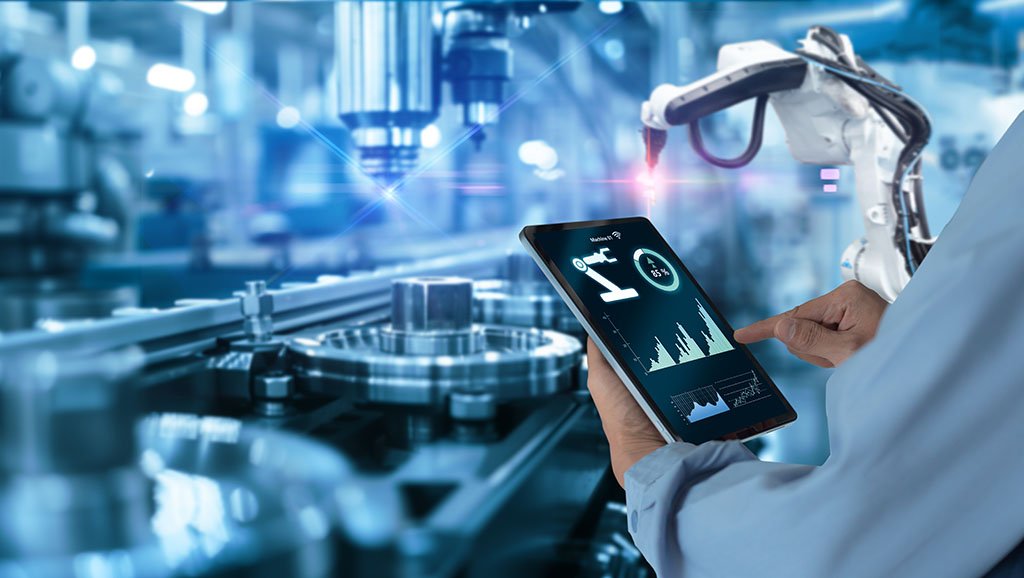
- Analytics and Visualization: Advanced algorithms process incoming data to detect trends, anomalies, and potential failure points. Visual dashboards make it easy for operators to interpret results and respond quickly.
- Automated Alerts and Notifications: When thresholds are breached or unusual patterns are detected, the system can trigger instant alerts, enabling rapid intervention.
By integrating these elements, organizations can achieve a holistic view of their operations, making it possible to address issues proactively and maintain optimal performance.
Benefits of Continuous Monitoring for Industrial Operations
Implementing industrial continuous monitoring solutions delivers a range of tangible benefits that extend beyond just preventing downtime. Some of the most significant advantages include:
- Early Fault Detection: Real-time data allows maintenance teams to identify and address equipment issues before they lead to breakdowns.
- Reduced Maintenance Costs: Predictive maintenance strategies, informed by continuous monitoring, help avoid unnecessary repairs and extend asset lifespans.
- Improved Product Quality: Monitoring critical process variables ensures consistent output and reduces the risk of defects.
- Enhanced Safety: Immediate alerts about hazardous conditions protect both personnel and equipment.
- Regulatory Compliance: Automated data logging supports documentation and reporting for industry standards and audits.
For manufacturers focused on downtime reduction through quality monitoring, integrating continuous monitoring with quality management systems can further streamline operations and boost overall efficiency.
Applications Across Manufacturing and Industry
Continuous monitoring is not limited to a single sector; its applications span a wide array of industries, including automotive, electronics, pharmaceuticals, food and beverage, and energy. Here’s how some sectors leverage these solutions:
- Automotive: Monitoring assembly lines for torque, temperature, and vibration to ensure consistent vehicle quality.
- Pharmaceuticals: Tracking environmental conditions and process parameters to maintain compliance and product safety.
- Food and Beverage: Ensuring temperature and humidity control throughout production and storage to prevent spoilage.
- Energy: Monitoring turbines, generators, and pipelines for early signs of wear or leaks.
The flexibility of these systems allows them to be tailored for specific operational needs, making them a valuable asset for any organization seeking to minimize disruptions.
Integrating Quality Control with Monitoring Technologies
One of the most powerful aspects of modern monitoring is its synergy with quality control initiatives. By combining real-time data collection with advanced analytics, manufacturers can not only spot equipment issues but also detect quality drifts and process deviations as they occur. This integration supports a proactive approach to quality management, reducing the likelihood of defective products reaching customers.
For example, leveraging quality drift detection systems alongside continuous monitoring tools enables teams to act swiftly when production parameters begin to stray from optimal ranges. This approach helps maintain high standards and reduces the risk of recalls or rework.
Further, the importance of real-time oversight in quality assurance is highlighted in resources like this overview of real-time quality control in supply chains, which discusses how immediate feedback loops can transform operational reliability.
Choosing the Right Monitoring Solution for Your Facility
Selecting the best-fit monitoring platform depends on several factors, including the complexity of your operations, the types of assets involved, and your organization’s specific goals. Here are some key considerations:
- Scalability: Ensure the system can grow with your business and accommodate additional sensors or production lines as needed.
- Integration Capabilities: Look for solutions that seamlessly connect with existing ERP, MES, and quality management systems.
- User-Friendly Interfaces: Dashboards and reporting tools should be intuitive, enabling quick adoption by frontline staff.
- Data Security: Protect sensitive operational data with robust encryption and access controls.
- Support and Training: Choose vendors that offer comprehensive onboarding and ongoing technical support.
Evaluating these aspects will help ensure that your investment delivers maximum value and supports your long-term operational objectives.
Future Trends in Industrial Monitoring
The landscape of continuous monitoring is rapidly evolving, driven by advancements in artificial intelligence, machine learning, and edge computing. These technologies are making it possible to analyze vast amounts of data in real time, uncover hidden patterns, and automate decision-making processes. As a result, future monitoring platforms will offer even greater predictive capabilities, helping organizations move from reactive to truly proactive maintenance and quality assurance.
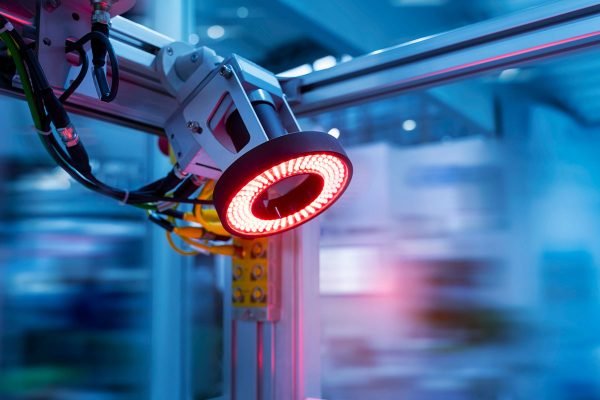
Additionally, the integration of vision systems and advanced analytics—such as those discussed in next generation quality monitoring systems—is enabling manufacturers to detect subtle defects and process variations that were previously difficult to identify. This trend is set to continue as more companies embrace digital transformation initiatives.
Frequently Asked Questions
What are the main challenges in implementing continuous monitoring in manufacturing?
Some of the biggest obstacles include integrating new technologies with legacy equipment, managing the large volumes of data generated, and ensuring staff are adequately trained to interpret and act on monitoring insights. It’s crucial to plan for change management and invest in scalable, user-friendly solutions.
How does continuous monitoring help reduce unplanned downtime?
By providing real-time visibility into equipment health and process conditions, these systems enable maintenance teams to detect early warning signs of failure. This allows for timely interventions, reducing the likelihood of unexpected stoppages and supporting smoother production flows.
Can continuous monitoring improve product quality as well as equipment reliability?
Absolutely. By tracking critical process variables and identifying deviations as they occur, monitoring solutions help maintain consistent quality standards. This minimizes the risk of defects, supports compliance, and enhances overall customer satisfaction.
Conclusion
Adopting industrial continuous monitoring solutions is a strategic move for manufacturers aiming to achieve zero unplanned downtime and maintain a competitive edge. With the right combination of sensors, analytics, and integration with quality management systems, organizations can unlock new levels of efficiency, reliability, and product excellence. As technology continues to advance, those who invest in robust monitoring infrastructure will be best positioned to thrive in an increasingly demanding industrial environment.