
Manufacturing environments demand precision, consistency, and efficiency. Yet, even the most advanced production lines face the persistent challenge of defects. Defect tracking in production lines is a critical process that empowers quality assurance (QA) teams to identify, document, and resolve issues before they escalate into costly recalls or customer dissatisfaction. By implementing robust tracking systems, manufacturers can streamline QA, reduce waste, and foster a culture of continuous improvement.
Modern factories are increasingly turning to digital solutions and data-driven approaches to monitor quality in real time. These systems not only help pinpoint the root causes of defects but also provide actionable insights for process optimization. For organizations seeking to elevate their quality management, leveraging advanced manufacturing quality analytics can be a game changer, enabling smarter decision-making and more agile responses to production challenges.

Why Effective Defect Tracking Matters in Manufacturing
A single undetected flaw can disrupt entire supply chains, damage brand reputation, and incur significant financial losses. This is why defect tracking in production lines is not just a technical necessity—it’s a strategic imperative. By systematically capturing and analyzing defects, manufacturers can:
- Prevent recurring issues by identifying patterns and root causes.
- Reduce rework and scrap, saving time and resources.
- Ensure compliance with industry standards and customer requirements.
- Improve product reliability and customer satisfaction.
- Enable continuous improvement through data-driven feedback loops.
The ability to detect, record, and respond to defects in real time is especially vital in high-volume or highly regulated industries. For those looking to further enhance their QA processes, exploring next generation quality monitoring systems can provide additional layers of automation and intelligence.

Core Components of a Defect Tracking System
A robust defect tracking approach in manufacturing lines typically includes several key elements:
- Detection Mechanisms: Automated sensors, vision systems, or manual inspections that flag anomalies during production.
- Data Capture: Recording defect details such as type, location, time, and operator involved.
- Analysis Tools: Software platforms that aggregate and visualize defect data for trend analysis and root cause identification.
- Workflow Integration: Linking defect reports to corrective actions, maintenance requests, or process adjustments.
- Reporting and Feedback: Dashboards and alerts that inform stakeholders and drive continuous improvement.
Integrating these components ensures that no defect goes unnoticed and that every issue is addressed systematically. The use of quality drift detection systems can further help maintain production stability by alerting teams to subtle shifts in process performance before they result in major defects.
Modern Technologies Enhancing Defect Tracking
The landscape of quality assurance is evolving rapidly, thanks to advancements in automation, artificial intelligence, and connectivity. Some of the most impactful technologies for tracking defects in production lines include:
- Computer Vision: High-resolution cameras and AI algorithms can spot microscopic flaws at speeds impossible for human inspectors.
- IoT Sensors: Connected devices monitor variables such as temperature, pressure, and vibration, providing early warnings of process deviations.
- Cloud-Based Analytics: Centralized platforms collect data from multiple lines or plants, enabling holistic analysis and benchmarking.
- Real-Time Dashboards: Visual interfaces display live defect data, empowering operators and managers to act quickly.
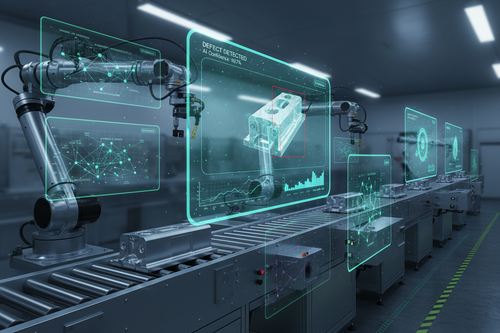
For organizations seeking to proactively manage quality, embracing real-time monitoring for proactive quality management can make a significant difference in both efficiency and product consistency.
Best Practices for Streamlining QA with Defect Tracking
To maximize the benefits of defect tracking, manufacturers should consider the following best practices:
- Standardize Defect Definitions: Ensure that all team members use consistent terminology and criteria when reporting issues.
- Automate Where Possible: Use sensors, vision systems, and software to reduce manual data entry and minimize human error.
- Integrate with Production Systems: Link defect tracking tools with MES, ERP, or maintenance platforms for seamless information flow.
- Train Staff Regularly: Provide ongoing education on detection techniques, reporting protocols, and the importance of quality culture.
- Analyze Trends: Regularly review defect data to uncover patterns, prioritize root cause investigations, and drive process improvements.
- Act on Insights: Use findings from defect analysis to implement corrective actions and prevent recurrence.
Manufacturers can further reduce downtime and improve throughput by adopting downtime reduction through quality monitoring strategies alongside robust defect management.
Challenges and Solutions in Defect Tracking Implementation
While the benefits are clear, implementing an effective defect tracking system is not without obstacles. Common challenges include:
- Data Overload: Large volumes of defect data can overwhelm teams if not properly filtered and prioritized.
- Resistance to Change: Operators and managers may be hesitant to adopt new technologies or processes.
- Integration Complexity: Connecting defect tracking tools with existing production systems can be technically demanding.
- Cost Constraints: Upfront investments in hardware, software, and training may be significant for some organizations.
To overcome these hurdles, it’s important to start with a clear strategy, involve stakeholders early, and select scalable solutions. Piloting new systems on a single line or product can help demonstrate value and build support for broader adoption. Leveraging variance detection in manufacturing can also complement defect tracking by identifying process deviations before they result in nonconforming products.
Measuring Success: KPIs for Defect Tracking Initiatives
To ensure that defect tracking efforts are delivering results, manufacturers should monitor key performance indicators such as:
- Defect Rate: Number of defects per unit produced or per batch.
- First Pass Yield: Percentage of products passing inspection without rework.
- Response Time: Time taken to detect, report, and resolve defects.
- Cost of Quality: Total costs associated with prevention, detection, and correction of defects.
- Customer Complaints: Frequency and severity of quality-related customer feedback.
Regularly reviewing these metrics helps organizations fine-tune their defect tracking processes and maintain a focus on continuous improvement.
FAQ: Defect Tracking and Quality Assurance in Production
What are the most common methods for detecting defects on production lines?
Detection methods range from manual visual inspections to automated solutions such as computer vision, laser scanning, and IoT sensor arrays. The choice depends on product complexity, required precision, and production speed.
How does real-time defect tracking improve manufacturing outcomes?
Real-time tracking enables immediate identification and correction of issues, minimizing the spread of defects and reducing rework or scrap. It also provides actionable data for process optimization and faster root cause analysis.
Can defect tracking systems be integrated with existing manufacturing software?
Yes, most modern defect tracking platforms are designed to integrate with manufacturing execution systems (MES), enterprise resource planning (ERP), and maintenance management tools. This integration streamlines workflows and ensures that quality data informs decision-making across the organization.
Conclusion
Implementing a comprehensive approach to defect tracking in production lines is essential for manufacturers aiming to deliver high-quality products efficiently and consistently. By leveraging modern technologies, standardizing processes, and fostering a culture of continuous improvement, organizations can minimize defects, reduce costs, and strengthen their competitive edge. As manufacturing continues to evolve, those who invest in robust quality assurance systems will be best positioned to meet the demands of today’s markets and tomorrow’s challenges.