
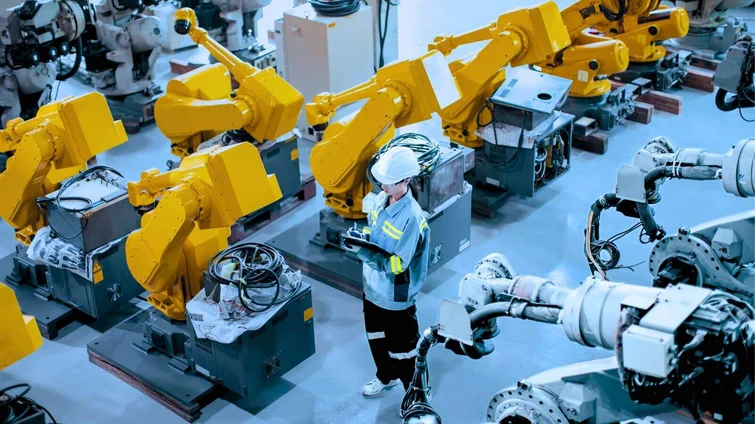
Achieving higher production efficiency is a top priority for manufacturers and operations managers aiming to stay competitive. Whether you’re running a small workshop or managing a large-scale facility, finding practical ways to streamline processes, reduce waste, and boost output can make a significant difference to your bottom line. By learning from real-world production efficiency improvement examples and proven strategies, organizations can identify actionable steps to enhance productivity, quality, and profitability.
In this article, we’ll explore a variety of approaches, from process optimization and technology upgrades to workforce training and data-driven decision-making. For those interested in leveraging advanced AI tools, understanding retraining strategies for AI inspection can also play a crucial role in maintaining high standards and operational agility.
Why Focus on Operational Efficiency?
Improving efficiency in production environments leads to a host of benefits. These include lower costs, faster turnaround times, improved product quality, and greater customer satisfaction. For many organizations, even small gains can translate into substantial financial savings and a stronger market position.
The journey toward better productivity often starts with understanding current workflows and identifying bottlenecks or sources of waste. By examining successful production efficiency improvement examples, teams can gain inspiration for their own initiatives and avoid common pitfalls.
Real-World Examples of Boosting Production Efficiency
The following case studies and scenarios illustrate how different industries have tackled efficiency challenges:
- Lean Manufacturing Implementation: A mid-sized automotive supplier adopted lean principles, such as 5S and value stream mapping, to eliminate unnecessary steps and reduce inventory. As a result, they cut lead times by 30% and improved on-time delivery.
- Automated Inspection Systems: By integrating machine vision and AI-powered inspection, an electronics manufacturer reduced manual quality checks and minimized defects. This not only improved throughput but also decreased rework rates.
- Predictive Maintenance: A food processing plant used IoT sensors and analytics to predict equipment failures before they occurred. Downtime dropped by 25%, and maintenance costs were reduced through targeted interventions.
- Cross-Training Employees: A packaging facility invested in workforce development, enabling staff to operate multiple machines. This flexibility allowed for smoother shift changes and reduced delays caused by absenteeism.
- Digital Work Instructions: By replacing paper-based instructions with digital tablets, a furniture manufacturer improved assembly accuracy and reduced training time for new hires.

Key Strategies for Achieving Higher Productivity
Drawing from these production efficiency improvement examples, several common strategies emerge that can be tailored to fit different operations:
1. Streamline Processes Through Continuous Improvement
Adopting methodologies like Lean, Six Sigma, or Kaizen encourages a culture of ongoing optimization. Regularly reviewing workflows, removing redundant steps, and empowering employees to suggest improvements can drive significant gains over time.
2. Invest in Automation and Smart Technology
Automation doesn’t just mean robotics. It includes everything from conveyor systems and automated guided vehicles (AGVs) to advanced software for scheduling and inventory management. Smart sensors and AI-based tools can further enhance efficiency by providing real-time data and predictive insights.
3. Enhance Workforce Skills and Flexibility
Well-trained employees are essential for efficient operations. Cross-training, upskilling, and clear communication of expectations ensure that staff can adapt to changing demands and step in where needed. This reduces bottlenecks and supports a more resilient production environment.
4. Leverage Data for Informed Decision-Making
Collecting and analyzing production data helps managers identify trends, spot inefficiencies, and make evidence-based decisions. Dashboards and key performance indicators (KPIs) provide visibility into performance and highlight areas for improvement.
5. Prioritize Preventive and Predictive Maintenance
Equipment downtime is a major source of lost productivity. Implementing a proactive maintenance program, supported by IoT devices and analytics, can prevent unexpected breakdowns and extend asset life. For more on this topic, see this guide to increasing production efficiency with maintenance strategies.
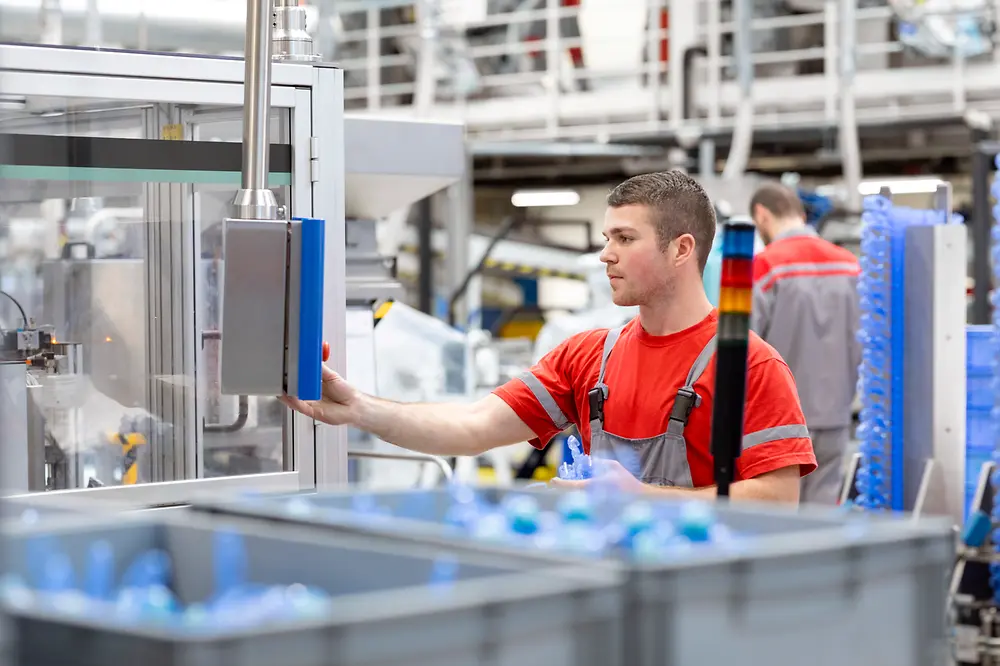
Common Challenges and How to Overcome Them
While the benefits of improving efficiency are clear, organizations often encounter obstacles such as resistance to change, limited budgets, or outdated infrastructure. Here are some practical tips for overcoming these hurdles:
- Start Small: Pilot new initiatives in a single department or process before scaling up. This allows for testing and refinement without disrupting the entire operation.
- Engage Employees: Involve frontline staff in identifying problems and brainstorming solutions. Their insights are invaluable and foster a sense of ownership.
- Measure and Communicate Results: Track progress using clear metrics and share successes to build momentum and buy-in across the organization.
- Stay Flexible: Be prepared to adapt strategies as new technologies emerge or market conditions change. Continuous learning is key to sustained improvement.
Integrating Digital Tools for Smarter Manufacturing
Digital transformation is reshaping the manufacturing landscape. From AI-powered inspection systems to real-time tracking and traceability, technology offers new opportunities for efficiency gains. For example, adopting traceability in AI-driven manufacturing can help organizations monitor materials and processes from start to finish, reducing errors and improving compliance.
Companies that embrace digital tools are better positioned to respond quickly to changes, maintain high quality, and optimize resource use. The key is to select solutions that align with specific business goals and integrate seamlessly with existing systems.
Frequently Asked Questions
What are the most effective ways to identify inefficiencies in production?
The most effective approach combines direct observation, employee feedback, and data analysis. Mapping out workflows, tracking key metrics, and conducting regular audits can reveal bottlenecks, unnecessary steps, or sources of waste. Engaging staff in the process often uncovers issues that may not be visible from management’s perspective.
How can small manufacturers improve efficiency without large investments?
Small manufacturers can focus on low-cost improvements such as reorganizing workspaces, implementing 5S principles, cross-training employees, and standardizing procedures. Incremental changes, like digitizing work instructions or using simple automation tools, can deliver noticeable gains without major capital outlay.
What role does employee training play in boosting productivity?
Employee training is critical for maintaining high efficiency. Well-trained staff can operate equipment safely, adapt to new technologies, and troubleshoot issues quickly. Ongoing training also supports a culture of continuous improvement and helps retain skilled workers.