
The manufacturing sector is undergoing a profound transformation as artificial intelligence becomes integral to quality assurance. AI driven industrial quality systems are reshaping how plants monitor, analyze, and optimize production processes. These advanced solutions enable real-time defect detection, predictive maintenance, and continuous improvement, all while reducing human error and operational costs.
As smart factories become the new standard, organizations are seeking robust digital solutions that deliver both efficiency and reliability. AI-powered quality management is no longer a futuristic concept—it’s a practical necessity for manufacturers aiming to stay competitive in a rapidly evolving landscape. For those interested in scaling their operations, exploring enterprise quality management systems can provide a strong foundation for global growth.
The Evolution of Quality Assurance in Manufacturing
Traditional quality control methods often rely on manual inspections, periodic sampling, and reactive responses to defects. While these approaches have served the industry for decades, they are increasingly inadequate for the demands of modern production. The rise of AI driven industrial quality systems marks a shift towards proactive, data-driven quality management.
By integrating machine learning, computer vision, and IoT sensors, manufacturers can now achieve continuous monitoring and instant feedback. This evolution allows for early detection of anomalies, minimizing waste and preventing costly recalls. The result is a more agile, responsive, and resilient manufacturing environment.

Core Components of AI-Powered Quality Solutions
Modern quality systems in smart plants are built on several key technologies:
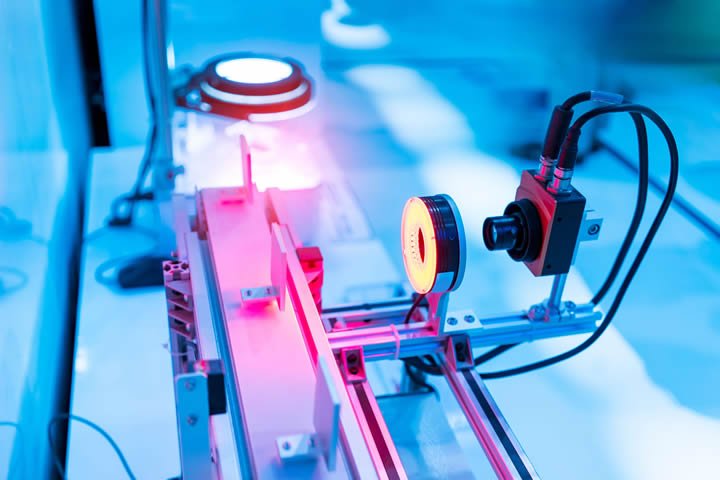
- Machine Vision: Cameras and image processing algorithms automatically inspect products for defects, dimensional accuracy, and surface quality.
- Predictive Analytics: AI models analyze production data to forecast equipment failures and process deviations before they occur.
- Real-Time Monitoring: IoT sensors collect data from machines and production lines, enabling instant alerts and adaptive process control.
- Automated Reporting: Digital dashboards provide actionable insights, trend analysis, and compliance documentation.
These tools work together to create a closed-loop quality management system, where feedback from each stage of production informs continuous improvement initiatives.
Benefits of Intelligent Quality Management in Smart Factories
Adopting AI driven industrial quality systems offers a range of tangible advantages:
- Increased Accuracy: Automated inspections reduce the risk of human error and ensure consistent quality standards.
- Faster Response Times: Real-time data enables immediate corrective actions, minimizing downtime and scrap rates.
- Cost Savings: Early defect detection and predictive maintenance lower operational expenses and prevent expensive recalls.
- Scalability: AI solutions can be deployed across multiple lines or facilities, supporting expansion without sacrificing quality.
- Regulatory Compliance: Automated record-keeping and traceability simplify audits and help meet industry standards.
For manufacturers looking to further enhance their operations, leveraging advanced manufacturing quality analytics can unlock deeper process insights and drive smarter decision-making.
Key Use Cases and Industry Applications
The versatility of AI-powered quality systems means they are being adopted across a wide range of industries. Some notable applications include:
- Automotive: Automated inspection of welds, paint finishes, and assembly components to ensure safety and reliability.
- Food and Beverage: Real-time monitoring of packaging integrity, contamination, and labeling accuracy.
- Electronics: High-speed visual inspection of circuit boards for soldering defects and component placement errors.
- Pharmaceuticals: Ensuring dosage accuracy, packaging compliance, and traceability throughout the supply chain.
These examples highlight the adaptability of AI driven industrial quality systems to different production environments, each with its own unique challenges and quality requirements.
How AI Enhances Real-Time Quality Control
One of the most significant advantages of AI in manufacturing is the ability to perform real-time quality control. By continuously analyzing data streams from sensors and cameras, AI algorithms can identify subtle patterns and deviations that might be missed by traditional methods.
This proactive approach not only improves product quality but also enhances operational efficiency. For a deeper understanding of the importance of instant feedback in manufacturing, explore this in-depth resource on real-time quality control in supply chains.
Challenges and Considerations for Implementation
While the benefits are clear, implementing AI-based quality systems requires careful planning. Key considerations include:
- Data Quality: AI models are only as good as the data they receive. Ensuring accurate, high-quality data collection is essential.
- Integration: Seamless connectivity with existing manufacturing execution systems (MES) and enterprise resource planning (ERP) platforms is critical for success.
- Change Management: Employees must be trained to work alongside AI tools and interpret their outputs effectively.
- Scalability: Solutions should be designed to grow with the business, accommodating new lines, products, or facilities as needed.
- Cybersecurity: Protecting sensitive production data from cyber threats is a top priority in connected environments.
Manufacturers can also benefit from exploring end to end quality visibility systems to ensure transparency and traceability across every stage of production.
Future Trends in Intelligent Quality Systems
The evolution of AI driven industrial quality systems is far from over. Emerging trends include:
- Edge Computing: Processing data closer to the source for faster decision-making and reduced latency.
- Self-Learning Systems: AI models that continuously improve by learning from new data and operator feedback.
- Collaborative Robotics: Integration of AI with cobots for more flexible and adaptive quality inspections.
- Cloud-Based Analytics: Centralized data analysis for benchmarking and cross-site optimization.
These advancements will further empower manufacturers to achieve higher levels of quality, efficiency, and customer satisfaction.
Frequently Asked Questions
What are the main advantages of using AI for quality control in manufacturing?
AI-based quality control systems offer increased accuracy, faster response times, and significant cost savings. They enable real-time monitoring, early defect detection, and predictive maintenance, all of which contribute to improved product quality and operational efficiency.
How do AI-powered systems integrate with existing manufacturing processes?
Most modern AI solutions are designed to connect seamlessly with current MES and ERP platforms. They use IoT sensors and APIs to collect and analyze data, providing actionable insights without disrupting established workflows.
What industries benefit most from intelligent quality management?
Industries such as automotive, electronics, food and beverage, and pharmaceuticals have seen substantial gains from adopting AI-powered quality solutions. However, any sector that values consistency, traceability, and efficiency can benefit from these technologies.
Conclusion
The adoption of AI driven industrial quality systems is transforming manufacturing into a more intelligent, responsive, and efficient industry. By leveraging advanced analytics, machine vision, and real-time monitoring, smart plants are setting new standards for quality and productivity. As technology continues to evolve, organizations that embrace these innovations will be best positioned to lead in the era of Industry 4.0.