
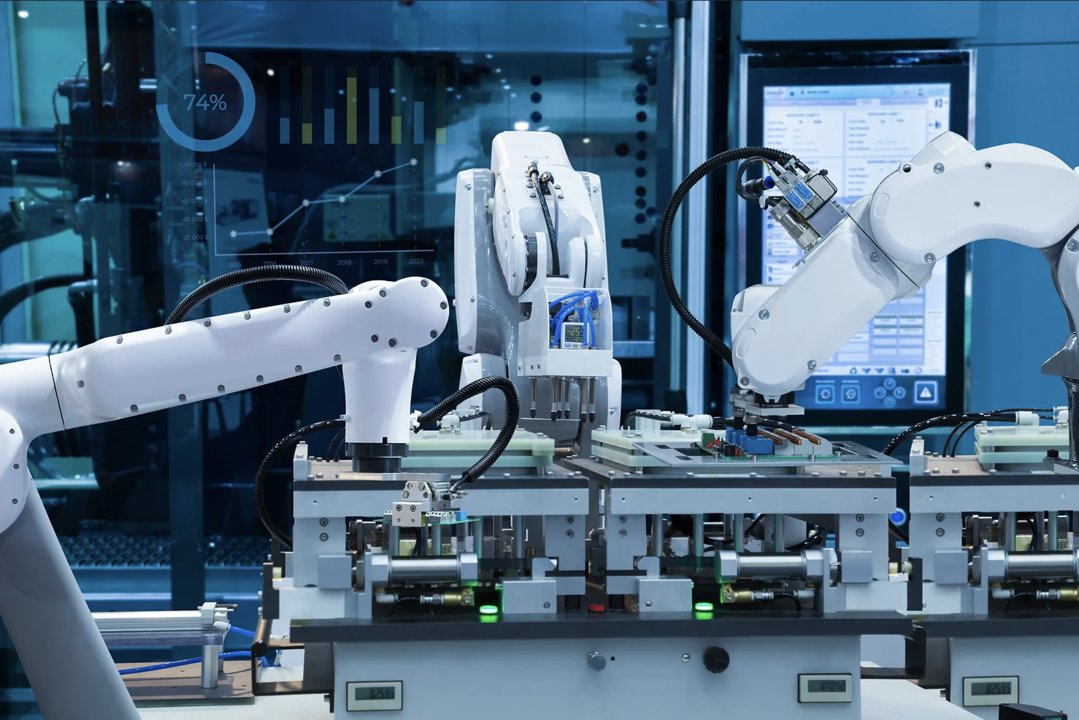
In the rapidly evolving world of technology, AI visual inspection systems are emerging as game-changers across various industries. These systems are designed to enhance quality control processes, reduce human error, and increase efficiency. In this article, we will explore how AI visual inspection systems are being integrated into different sectors and the benefits they offer.
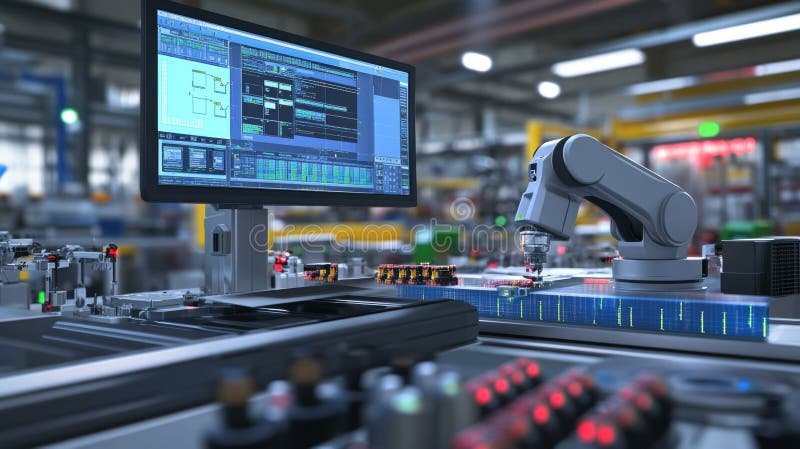
Understanding AI Visual Inspection Systems
AI visual inspection systems utilize advanced algorithms and machine learning to scrutinize products and components for defects. By employing cameras and sensors, these systems can detect anomalies that might go unnoticed by the human eye. This technology is particularly beneficial in industries where precision is crucial.
Applications in Manufacturing
In manufacturing, AI visual inspection systems are pivotal for ensuring product quality. They help in identifying defects in real-time, thereby minimizing rework and waste. For instance, [Qualitech](https://qualitech.ai/ai-in-manufacturing-quality/) explores how AI enhances manufacturing quality by providing accurate and consistent inspections.
Enhancing Quality Control
Quality control is a critical aspect of manufacturing, and AI systems are enhancing it significantly. By analyzing images and data, these systems ensure that only high-quality products reach consumers, thus boosting customer satisfaction.
Reducing Rework and Costs
Rework can be costly for manufacturers. AI visual inspection systems help reduce these costs by catching defects early in the production process. [Learn more](https://qualitech.ai/ai-for-reducing-rework-in-factories/) about how AI aids in reducing rework in factories.
AI in the Automotive Industry
The automotive industry is another sector benefiting from AI visual inspection systems. By examining each part and component, these systems ensure that vehicles meet safety and quality standards. This results in safer and more reliable cars on the road.
Pattern Recognition
AI systems excel in pattern recognition, making them ideal for detecting flaws in automotive components. [Explore this further](https://qualitech.ai/pattern-recognition-in-manufacturing/) to understand how pattern recognition aids manufacturing processes.
Implementing AI in Welding Processes
Welding quality is crucial in industries such as construction and automotive. AI visual inspection systems play a vital role in monitoring welding processes to ensure precision and safety. [Discover](https://qualitech.ai/ai-in-welding-quality-control/) how AI is enhancing welding quality control.
Benefits of AI Visual Inspection Systems
Implementing AI visual inspection systems brings numerous advantages. They improve accuracy, reduce labor costs, and increase overall productivity. Furthermore, they offer a scalable solution for businesses looking to expand and optimize their operations.
Improved Accuracy
Human inspectors, though skilled, are prone to fatigue and errors. AI systems, however, can work tirelessly, providing consistent and precise inspections, thus improving accuracy and reliability.
Cost Efficiency
By reducing the need for manual inspections and minimizing defects, AI visual inspection systems can significantly lower operational costs. This cost efficiency is particularly valuable for large-scale operations.
The Future of AI Visual Inspection Systems
As technology continues to advance, the capabilities of AI visual inspection systems are expected to grow. With ongoing research and development, these systems will become even more integral to various industries, further enhancing productivity and quality.
Challenges and Considerations
Despite their numerous benefits, implementing AI visual inspection systems comes with challenges. Initial setup costs and the need for skilled personnel to manage these systems are considerations businesses must address.
Overcoming Implementation Barriers
To overcome implementation barriers, companies need to invest in training and development. This will ensure that their workforce is equipped to handle advanced AI systems effectively.
Staying Updated with Technology
As AI technology evolves, staying updated is crucial. Businesses must continuously adapt to new advancements to maintain a competitive edge.
Conclusion
In conclusion, AI visual inspection systems are transforming industries by enhancing quality and efficiency. As technology progresses, their impact will continue to grow, offering promising opportunities for businesses worldwide. For more insights, visit [GE Vernova’s blog](https://www.gevernova.com/software/blog/the-3-advantages-of-automating-visual-asset-inspection) for additional perspectives on automating visual inspections.

FAQs
What industries benefit from AI visual inspection systems?
Industries such as manufacturing, automotive, and construction benefit greatly from AI visual inspection systems due to their need for high precision and quality control.
How do AI visual inspection systems improve accuracy?
These systems use advanced algorithms and machine learning to detect defects with high precision, reducing the likelihood of human error.
Are AI visual inspection systems cost-effective?
Yes, they can be cost-effective by reducing the need for manual inspections and minimizing defects, ultimately lowering operational costs.
This article contains affiliate links. We may earn a commission at no extra cost to you.