
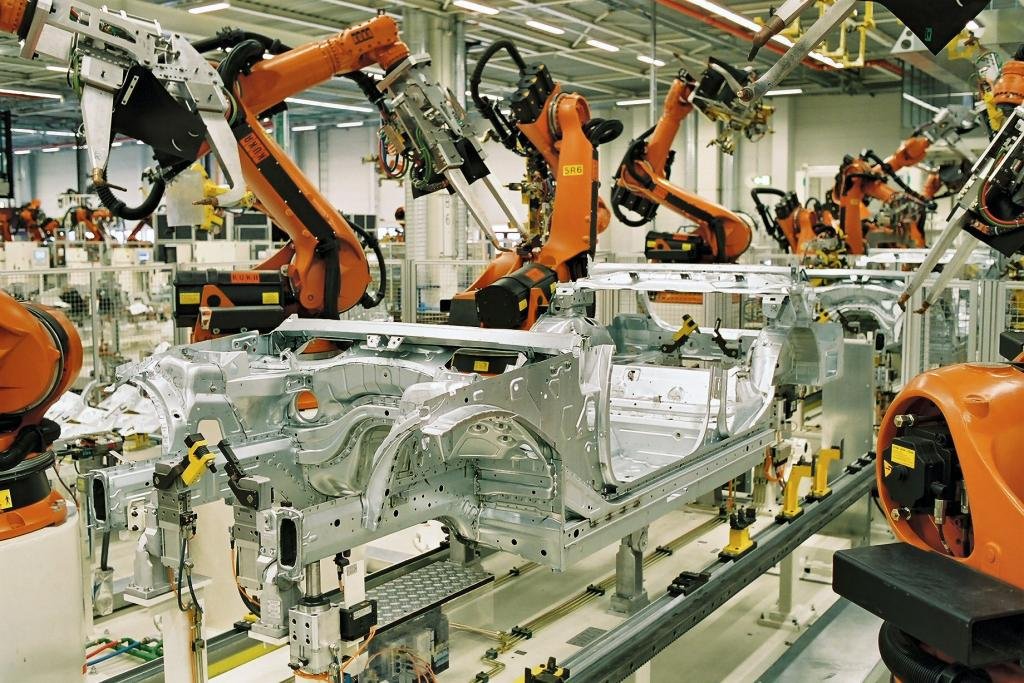
Modern manufacturing is rapidly evolving, with automation playing a central role in driving operational improvements. As businesses face increasing pressure to deliver higher quality products at lower costs, the adoption of automated technologies has become a strategic necessity. Understanding the automation benefits in manufacturing efficiency is crucial for organizations aiming to stay competitive and resilient in a dynamic market.
Automation not only streamlines repetitive tasks but also enhances accuracy, consistency, and overall productivity. By integrating advanced systems and robotics, manufacturers can reduce human error, improve safety, and optimize resource utilization. These advancements are reshaping production lines and enabling companies to respond more flexibly to market demands.
For manufacturers seeking to leverage digital transformation, exploring related technologies such as augmented reality in quality audits can further enhance process visibility and quality control.
Key Ways Automation Improves Manufacturing Productivity
One of the most significant impacts of automation is the dramatic increase in production output. Automated machinery and robotics can operate continuously, eliminating downtime associated with manual labor shifts and fatigue. This constant operation leads to higher throughput and more predictable production schedules.
Additionally, automation enables manufacturers to:
- Reduce cycle times by streamlining repetitive or complex tasks
- Minimize bottlenecks and delays through synchronized workflows
- Scale production up or down quickly in response to demand changes
By investing in automated solutions, companies can achieve a level of consistency and speed that is difficult to match with manual processes alone.
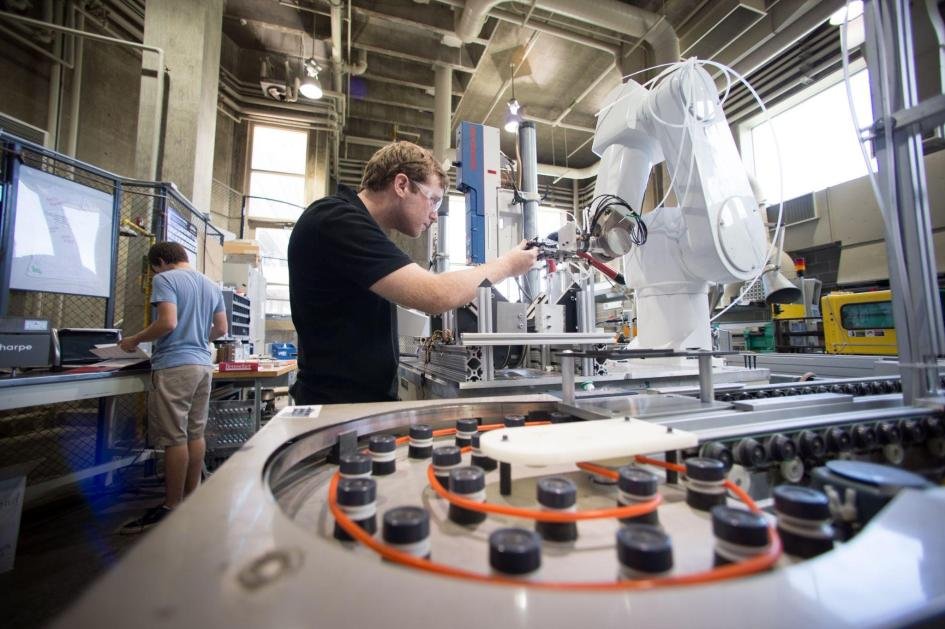
Enhancing Quality and Reducing Errors with Automation
Quality assurance is a cornerstone of manufacturing success. Automated inspection systems, sensors, and data analytics tools help maintain high standards by detecting defects early and ensuring products meet specifications. These systems can perform checks at speeds and levels of precision that are unattainable through manual inspection.
Some of the quality-related automation benefits in manufacturing efficiency include:
- Consistent application of quality standards across all units
- Real-time monitoring and instant feedback for corrective action
- Reduction in waste and rework due to early error detection
Integrating automation with advanced technologies, such as wearable AI for manual inspection support, can further empower workers and improve inspection accuracy.
Cost Savings and Resource Optimization
While the initial investment in automation can be substantial, the long-term cost savings are significant. Automated systems reduce labor costs, minimize material waste, and lower the risk of costly production errors. Over time, these savings can offset the upfront expenses and contribute to a healthier bottom line.
Resource optimization is another critical advantage. Automation allows for:
- Precise control over material usage, reducing scrap and excess inventory
- Efficient energy management through smart scheduling and machine learning
- Better utilization of equipment and facilities
According to industry research on improving productivity and efficiency in manufacturing, companies that embrace automation often see measurable improvements in operational costs and resource allocation.
Improving Workplace Safety and Employee Satisfaction
Automated systems can take over hazardous, physically demanding, or repetitive tasks, reducing the risk of workplace injuries. This shift not only protects employees but also allows them to focus on higher-value activities such as problem-solving, process optimization, and innovation.
When workers are relieved from monotonous or dangerous duties, job satisfaction tends to increase. Automation can also create new opportunities for upskilling and professional growth, as employees learn to operate, maintain, and optimize advanced machinery.
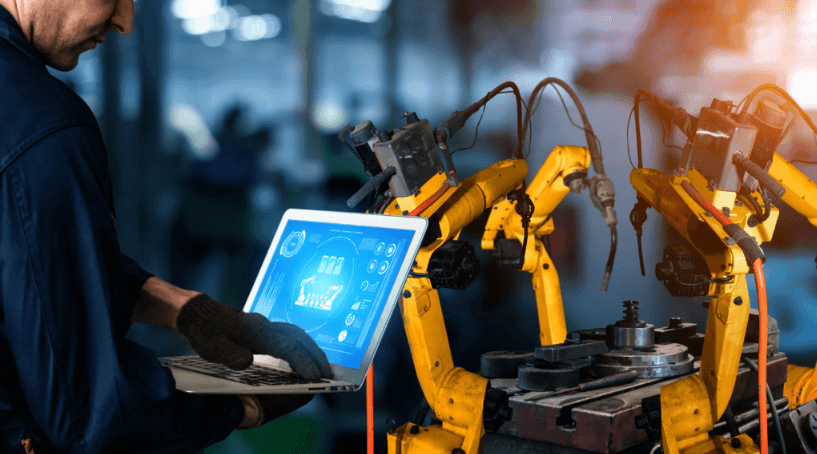
Data-Driven Decision Making and Continuous Improvement
Modern automation technologies generate vast amounts of data on every aspect of the production process. By analyzing this data, manufacturers can identify inefficiencies, predict maintenance needs, and implement continuous improvement initiatives.
Key data-driven automation benefits in manufacturing efficiency include:
- Real-time performance monitoring and reporting
- Predictive maintenance to minimize unplanned downtime
- Faster response to process deviations and quality issues
Advanced analytics and machine learning can further enhance these capabilities, enabling smarter, more agile manufacturing operations.
Challenges and Considerations When Implementing Automation
Despite the clear advantages, adopting automation is not without its challenges. Companies must carefully assess their needs, select appropriate technologies, and plan for integration with existing systems. Common obstacles include:
- High initial investment and uncertainty about return on investment
- Need for workforce training and change management
- Potential disruptions during the transition phase
- Cybersecurity and data privacy concerns
Successful implementation requires a strategic approach, clear communication, and ongoing support for employees as they adapt to new roles and responsibilities.
Future Trends in Automated Manufacturing
The future of manufacturing will be shaped by continued advancements in automation, artificial intelligence, and connectivity. Emerging trends include:
- Integration of collaborative robots (cobots) that work alongside humans
- Use of vision transformers for industrial use to enhance machine perception
- Hyperparameter tuning for inspection models to optimize AI-driven quality control
- Monitoring AI model drift in factories to maintain accuracy over time
As these technologies mature, manufacturers will be able to achieve even greater levels of efficiency, flexibility, and innovation.
Frequently Asked Questions
How does automation impact manufacturing efficiency?
Automation increases efficiency by reducing manual intervention, speeding up production cycles, and minimizing errors. Automated systems can operate continuously, leading to higher output and more consistent product quality.
What are the main cost benefits of automating manufacturing processes?
The main cost benefits include lower labor expenses, reduced material waste, fewer production errors, and improved equipment utilization. Over time, these savings can significantly outweigh the initial investment in automation technology.
Can automation improve workplace safety in factories?
Yes, automation can enhance workplace safety by taking over hazardous or repetitive tasks, reducing the risk of injuries. This allows employees to focus on safer, higher-value activities and contributes to a healthier work environment.