
As manufacturing processes become more complex and quality standards continue to rise, the benefits of automated surface inspection are increasingly recognized across industries. These advanced systems leverage artificial intelligence, machine vision, and high-speed imaging to detect defects, inconsistencies, and surface anomalies with a level of accuracy and consistency that manual inspection simply cannot match. By integrating automated inspection into production lines, companies can achieve higher product quality, reduce waste, and streamline operations, all while maintaining competitive advantage in a demanding marketplace.
For those interested in understanding how these systems compare to traditional approaches, our article on ai vs traditional machine vision provides a detailed breakdown of the key differences and advantages of each method.

How Automated Surface Inspection Systems Work
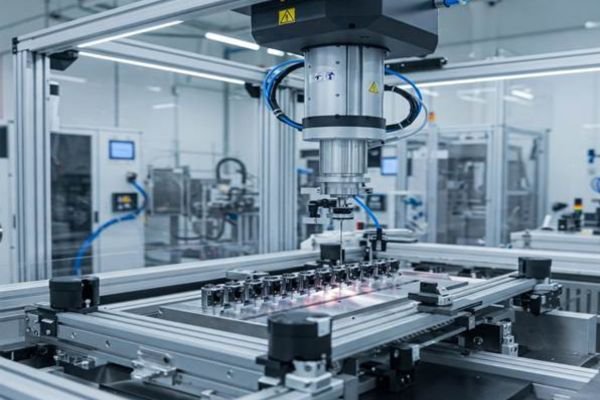
Automated surface inspection systems utilize a combination of cameras, sensors, and software algorithms to analyze the surface of products in real time. These systems are capable of detecting a wide range of defects, including scratches, dents, discolorations, and structural inconsistencies. By capturing high-resolution images and processing them with advanced algorithms, automated inspection tools can identify even the smallest anomalies that might be missed by the human eye.
Many modern solutions are powered by deep learning and artificial intelligence, enabling them to adapt to new defect types and improve over time. For a deeper dive into the role of AI in visual inspection, the deep learning for visual inspection overview explains how these technologies are transforming quality control.
Enhanced Accuracy and Consistency in Quality Control
One of the most significant benefits of automated surface inspection is the dramatic improvement in accuracy and consistency. Manual inspection is inherently subjective and prone to human error, especially during repetitive tasks or when dealing with subtle defects. Automated systems, on the other hand, apply the same criteria to every product, ensuring uniform quality standards are met throughout the production process.

The ability to detect minute flaws early in the production cycle reduces the risk of defective products reaching customers. This not only protects brand reputation but also minimizes costly recalls and warranty claims. Consistent inspection results also provide valuable data for process improvement, allowing manufacturers to identify recurring issues and address them at the source.
Increased Throughput and Operational Efficiency
Automated inspection systems operate at speeds far beyond human capability, making them ideal for high-volume production environments. By integrating inspection directly into the production line, manufacturers can achieve real-time quality control without slowing down operations. This leads to increased throughput, reduced bottlenecks, and more efficient use of labor resources.
Additionally, automating surface inspection helps companies adapt quickly to changes in production volume or product design. For organizations seeking to scale their operations, our resource on how to improve production scalability offers practical insights into leveraging automation for growth.
Cost Savings and Waste Reduction
Another key advantage of automated surface inspection is its impact on operational costs. By catching defects early, these systems help reduce material waste and rework, leading to significant cost savings over time. Automated solutions also lower the need for manual labor in inspection roles, allowing staff to focus on higher-value tasks such as process optimization and maintenance.
With real-time data collection and analysis, manufacturers can quickly identify trends and root causes of defects, further reducing waste and improving overall process efficiency. This proactive approach to quality control supports lean manufacturing principles and helps organizations remain competitive in cost-sensitive markets.
Supporting Compliance and Traceability
Many industries, such as automotive, electronics, and pharmaceuticals, are subject to strict regulatory requirements regarding product quality and traceability. Automated surface inspection systems provide detailed records of inspection results, including images and data logs, which can be used to demonstrate compliance during audits or investigations.
This level of traceability not only simplifies regulatory reporting but also enhances accountability throughout the supply chain. By maintaining comprehensive inspection records, companies can quickly respond to quality concerns and implement corrective actions as needed.
Flexibility and Adaptability in Modern Manufacturing
As product designs evolve and customer expectations shift, the flexibility of automated inspection systems becomes a major asset. These solutions can be reprogrammed or retrained to accommodate new products, materials, or defect types, ensuring that quality control keeps pace with innovation. This adaptability is especially valuable in industries characterized by frequent product updates or customization.
For those implementing lean manufacturing or managing production variability, automated inspection supports continuous improvement by providing actionable feedback and enabling rapid response to quality issues. Explore our guide on how to implement lean manufacturing step by step for more strategies on optimizing production processes.
Data-Driven Decision Making and Predictive Maintenance
Automated surface inspection systems generate vast amounts of data that can be leveraged for process optimization and predictive maintenance. By analyzing inspection results over time, manufacturers can identify patterns, predict equipment failures, and schedule maintenance proactively, reducing downtime and extending the lifespan of critical assets.
This data-driven approach not only improves product quality but also supports strategic decision-making, helping organizations allocate resources more effectively and respond quickly to emerging challenges.
Frequently Asked Questions
What types of defects can automated surface inspection systems detect?
These systems are capable of identifying a wide range of surface defects, including scratches, dents, cracks, discoloration, contamination, and dimensional inconsistencies. Advanced solutions powered by AI can also learn to recognize new or uncommon defect types as they are encountered.
How do automated inspection systems improve production efficiency?
By performing inspections at high speed and with consistent accuracy, automated systems eliminate bottlenecks and reduce the need for manual checks. This allows production lines to operate at higher throughput rates while maintaining strict quality standards.
Are automated surface inspection solutions suitable for small and medium manufacturers?
Yes, many modern systems are scalable and can be tailored to the needs of small and medium-sized enterprises. The initial investment is often offset by long-term savings in labor, reduced waste, and improved product quality.