
The integration of collaborative robots in AI inspection is rapidly transforming the landscape of quality assurance and industrial automation. These advanced machines, often referred to as cobots, are designed to work safely alongside humans, leveraging artificial intelligence to enhance precision, efficiency, and adaptability in inspection processes. As industries strive to meet higher standards and accelerate production, the synergy between human expertise and robotic intelligence is proving essential for modern manufacturing environments.
By combining the strengths of AI-driven analysis with the flexibility of collaborative robotics, organizations are achieving new levels of accuracy and consistency in their inspection workflows. This article explores how these technologies are reshaping quality control, the benefits and challenges of their adoption, and practical considerations for businesses looking to implement them.
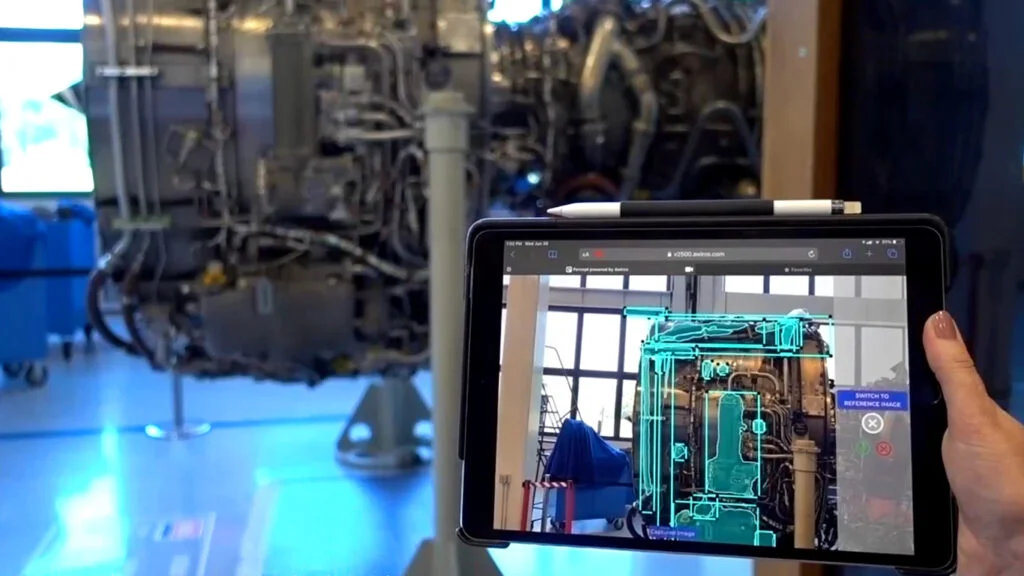
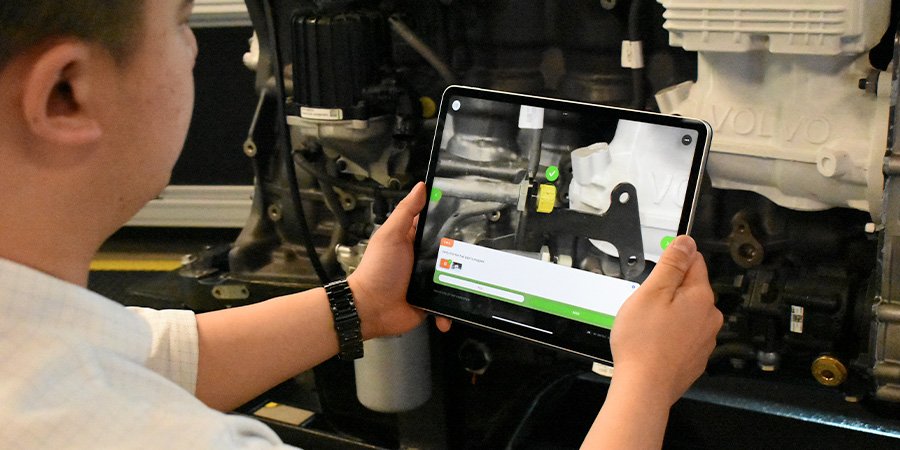
For those interested in related advancements, the use of augmented reality in quality audits is also enhancing how teams visualize and act on inspection data, further bridging the gap between digital tools and human decision-making.
The Role of Cobots in Modern Inspection Processes
Collaborative robots, or cobots, are engineered to operate in close proximity to human workers without the need for extensive safety barriers. In the context of AI-powered inspection, these robots are equipped with advanced sensors, cameras, and machine learning algorithms that enable them to detect defects, measure components, and verify product quality with remarkable precision.
Unlike traditional industrial robots, which are often isolated from human operators due to safety concerns, cobots are designed with features such as force-limiting joints and real-time monitoring to ensure safe interaction. This allows for seamless cooperation between humans and machines, where cobots handle repetitive or hazardous inspection tasks while workers focus on complex problem-solving and decision-making.

How AI Enhances Collaborative Robot Inspection
The integration of artificial intelligence with collaborative robots brings a new dimension to inspection tasks. AI algorithms, particularly those based on deep learning and computer vision, enable cobots to analyze images, identify patterns, and make real-time decisions. This capability is especially valuable in industries such as automotive, electronics, and aerospace, where the detection of minute defects is critical to product safety and reliability.
Some of the key ways AI improves collaborative inspection include:
- Automated defect detection: AI-powered vision systems can spot inconsistencies or flaws that may be missed by the human eye, reducing the risk of defective products reaching customers.
- Adaptive learning: Machine learning models allow cobots to improve their inspection accuracy over time by learning from new data and feedback.
- Real-time data analysis: AI enables immediate processing of inspection results, allowing for faster decision-making and corrective actions.
These advancements not only boost inspection quality but also help organizations comply with stringent regulatory standards and customer expectations.
Benefits of Implementing Collaborative Robots in AI Inspection
Adopting collaborative robots in AI inspection offers several tangible benefits for manufacturers and quality assurance teams:
- Increased productivity: Cobots can operate continuously, performing inspections at a consistent pace without fatigue, which leads to higher throughput.
- Enhanced accuracy: The combination of robotic precision and AI-driven analysis minimizes human error and ensures more reliable detection of defects.
- Improved safety: By assigning repetitive or hazardous inspection tasks to cobots, organizations can reduce workplace injuries and create a safer environment for employees.
- Scalability: Collaborative robots can be easily reprogrammed or redeployed for different inspection tasks, making them adaptable to changing production requirements.
- Cost savings: Over time, the automation of inspection processes can lower labor costs and reduce waste associated with defective products.
For a deeper look at the advantages of AI in quality assurance, consider the insights shared in this analysis of AI’s benefits in quality assurance.
Challenges and Considerations for Deployment
While the advantages are clear, deploying collaborative robots with AI inspection capabilities does come with challenges. Organizations must carefully evaluate several factors to ensure successful implementation:
- Integration with existing systems: Seamless communication between cobots, AI software, and legacy equipment is crucial for efficient operation.
- Data quality and management: AI models require large volumes of high-quality data for training and validation. Poor data can lead to inaccurate inspection results.
- Workforce adaptation: Employees may need training to work effectively alongside cobots and to interpret AI-generated insights.
- Initial investment: While long-term savings are significant, the upfront costs of acquiring and integrating collaborative robots and AI systems can be substantial.
- Cybersecurity: As inspection systems become more connected, protecting sensitive production and quality data from cyber threats becomes increasingly important.
Addressing these challenges requires a strategic approach, involving cross-functional teams and ongoing evaluation of system performance.
Key Applications Across Industries
The use of collaborative robots for AI-driven inspection is expanding across a variety of sectors. Some notable applications include:
- Automotive manufacturing: Cobots inspect welds, paint finishes, and assembly components, ensuring vehicles meet safety and quality standards.
- Electronics production: High-precision inspection of circuit boards and microchips helps prevent costly defects and recalls.
- Aerospace: AI-powered cobots verify the integrity of critical components, supporting compliance with strict regulatory requirements.
- Pharmaceuticals: Automated inspection ensures packaging integrity and correct labeling, reducing the risk of contamination or errors.
- Food and beverage: Cobots equipped with vision systems check for packaging defects and product consistency, supporting food safety initiatives.
These examples highlight the versatility and impact of collaborative robots in quality control, helping businesses maintain competitiveness in demanding markets.
Best Practices for Successful Implementation
To maximize the value of collaborative robots in AI inspection, organizations should follow several best practices:
- Start with pilot projects: Test cobot-AI solutions on a small scale to evaluate performance and identify potential issues before full-scale deployment.
- Engage cross-functional teams: Involve quality, IT, and operations personnel in planning and execution to ensure alignment and smooth integration.
- Invest in training: Equip staff with the skills needed to operate, maintain, and collaborate with new technologies.
- Monitor and optimize: Continuously track inspection outcomes and adjust AI models or robot programming as needed to improve accuracy and efficiency.
- Prioritize safety: Regularly review safety protocols and update them as collaborative robots and inspection processes evolve.
For those interested in further optimizing their AI inspection models, exploring hyperparameter tuning for inspection models can provide additional insights into improving accuracy and reliability.
Frequently Asked Questions
How do collaborative robots differ from traditional industrial robots in inspection?
Collaborative robots are designed to work safely alongside humans, featuring built-in safety mechanisms such as force-limiting sensors. Traditional industrial robots typically operate in isolated environments due to safety concerns. Cobots are more flexible, easier to program, and can be quickly adapted to new inspection tasks, making them ideal for dynamic manufacturing settings.
What are the main benefits of using AI with collaborative robots for inspection tasks?
The combination of AI and collaborative robots enhances inspection accuracy, reduces human error, and increases productivity. AI enables real-time defect detection and adaptive learning, while cobots handle repetitive or hazardous tasks, improving overall safety and efficiency in quality assurance processes.
What should organizations consider before implementing collaborative robots for AI inspection?
Key considerations include ensuring compatibility with existing systems, investing in high-quality data for AI training, preparing the workforce for new workflows, evaluating initial costs, and addressing cybersecurity risks. Starting with pilot projects and involving cross-functional teams can help ensure a smooth transition and successful adoption.