
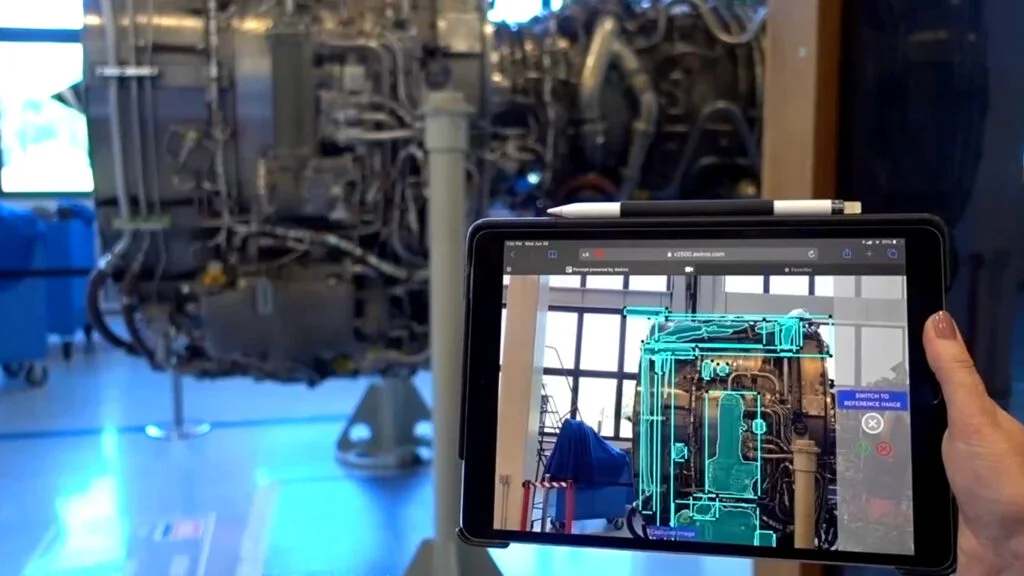
Artificial intelligence is transforming quality control and inspection across industries, from manufacturing to logistics. By automating visual checks, anomaly detection, and defect classification, AI-powered inspection systems promise greater speed, consistency, and cost savings compared to manual or traditional machine vision approaches. However, integrating AI into inspection workflows is not without hurdles. Organizations often encounter a range of technical and operational issues that can slow adoption or limit the effectiveness of these solutions.
This article explores the most common challenges in AI inspection, why they occur, and practical strategies for overcoming them. Whether you’re considering an upgrade from legacy systems or optimizing an existing AI-driven process, understanding these obstacles is crucial for achieving reliable, scalable results. For a detailed comparison of modern and legacy approaches, see our guide on ai vs traditional machine vision.
Data Quality and Annotation Issues
The foundation of any effective AI inspection system is high-quality data. Poorly annotated images, inconsistent labeling, or insufficient training samples can lead to unreliable models and false positives or negatives. Gathering a representative dataset is particularly challenging in environments with high product variability or rare defect types.
- Inconsistent labeling can confuse algorithms, reducing accuracy.
- Small or imbalanced datasets make it difficult for models to generalize.
- Low-resolution or noisy images hinder feature extraction and detection.
To address these problems, organizations should invest in robust data collection and annotation processes. Leveraging data augmentation, synthetic data generation, and active learning can help expand limited datasets. Regular audits and retraining cycles ensure that models stay accurate as new defect types or products are introduced.

Model Generalization and Adaptability
One of the common challenges in AI inspection is ensuring that trained models perform well on new, unseen data. In real-world production, changes in lighting, camera angles, or product appearance can significantly impact inspection accuracy. Overfitting to a narrow dataset can cause models to miss subtle defects or flag normal variations as issues.
Solutions include:
- Using diverse training data that covers all expected variations.
- Implementing domain adaptation techniques to transfer learning across similar tasks.
- Regularly updating and validating models as production conditions evolve.
For organizations seeking to scale their inspection systems, it’s important to design workflows that allow for continuous model improvement and easy retraining. This adaptability is key to maintaining high detection rates as products and processes change over time.
Integration with Existing Production Systems
Deploying AI inspection solutions in operational environments often requires seamless integration with existing hardware, software, and process controls. Compatibility issues, data silos, and lack of standardized interfaces can delay implementation or create maintenance headaches.
- Legacy equipment may not support real-time data exchange with AI systems.
- Custom integration work can increase costs and project timelines.
- Ensuring traceability and auditability of inspection results is critical for compliance.
To overcome these obstacles, organizations should prioritize open standards and modular architectures when selecting AI inspection platforms. Collaborating closely with IT and operations teams helps ensure that new solutions fit smoothly into existing workflows. For more on scaling up production systems, see our article on how to improve production scalability.
Real-Time Performance and Scalability
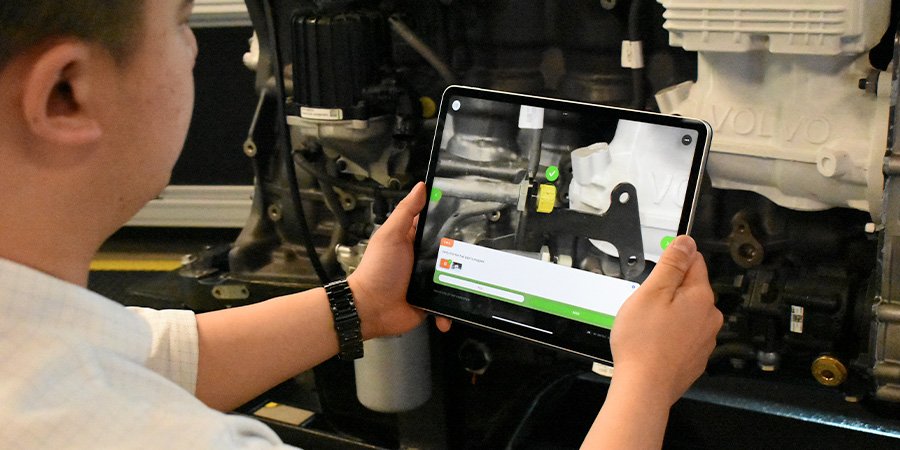
Many industries require inspection systems to operate at high speeds, often in real time. Achieving low-latency inference and high throughput with AI models can be difficult, especially when processing large volumes of high-resolution images or video streams.
Key considerations include:
- Optimizing models for edge deployment to reduce network delays.
- Leveraging hardware acceleration (e.g., GPUs, FPGAs) for faster processing.
- Balancing accuracy with speed by tuning model complexity and input resolution.
A scalable architecture allows organizations to add inspection stations or increase processing capacity as production grows. Monitoring system performance and proactively addressing bottlenecks ensures that inspection keeps pace with operational demands.
Human Oversight and Trust in AI Decisions
While AI systems can outperform humans in consistency and speed, they are not infallible. Building trust in automated inspection requires transparency, explainability, and effective human-in-the-loop processes for handling uncertain or ambiguous cases.
- Operators need clear, actionable feedback when the AI is unsure.
- Audit trails and decision logs support compliance and continuous improvement.
- Training staff to interpret and validate AI results is essential for safety-critical applications.
Combining AI with expert review helps catch edge cases and provides valuable feedback for model refinement. Over time, this hybrid approach can reduce false positives and negatives, leading to more reliable outcomes.
Regulatory Compliance and Quality Standards
Meeting industry regulations and quality standards is a top priority for many organizations. AI inspection systems must be validated, documented, and auditable to satisfy auditors and customers. This can be particularly challenging in highly regulated sectors such as pharmaceuticals, aerospace, or automotive manufacturing.
Strategies for compliance include:
- Maintaining detailed records of model training, validation, and updates.
- Implementing version control and change management for AI algorithms.
- Ensuring traceability of inspection decisions from raw data to final outcome.
For a deeper look at the benefits and requirements of AI in quality assurance, see this analysis of AI in quality assurance.
Frequently Asked Questions
What are the most frequent obstacles when deploying AI-based inspection?
The most common issues include poor data quality, limited or inconsistent training samples, challenges in integrating with legacy systems, and difficulties ensuring real-time performance. Organizations also face hurdles in maintaining compliance and building trust in automated decisions.
How can manufacturers ensure their AI inspection systems remain accurate over time?
Regularly updating training datasets, retraining models with new defect types, and monitoring system performance are essential. Incorporating human feedback and leveraging techniques like data augmentation or transfer learning can help models adapt to changing production environments.
Is it possible to combine AI inspection with traditional quality control methods?
Yes, hybrid approaches are common. AI can handle repetitive, high-volume tasks while human inspectors review ambiguous cases or provide oversight. This combination leverages the strengths of both methods and helps organizations meet stringent quality standards.