
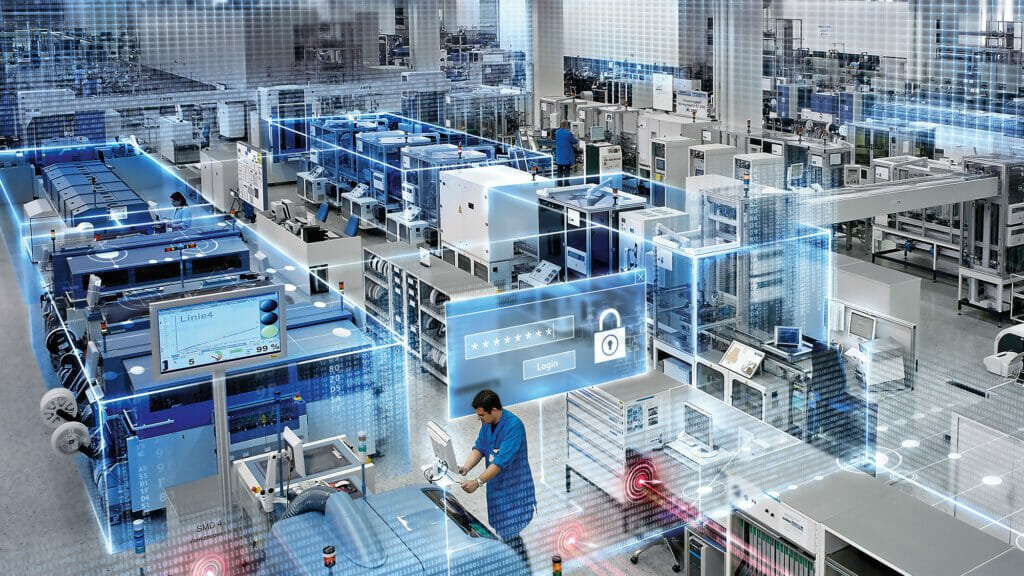
Manufacturing organizations face constant pressure to improve margins, remain competitive, and deliver quality products efficiently. One of the most effective ways to achieve these goals is by implementing cost reduction strategies in manufacturing. These approaches go beyond simple expense cutting—they require a thoughtful blend of process optimization, technology adoption, and workforce engagement. By understanding and applying the right methods, manufacturers can lower operational costs while maintaining or even enhancing product quality.
Modern factories are increasingly leveraging digital tools and data-driven decision-making to identify savings opportunities. For example, integrating advanced analytics can reveal inefficiencies in production lines, while automation reduces repetitive labor costs. Additionally, fostering a culture of continuous improvement ensures that cost-saving measures are sustainable and evolve with changing market demands.
Innovative solutions such as augmented reality in quality audits are also playing a growing role in identifying and eliminating waste, supporting more accurate inspections, and reducing rework. Embracing these advancements can help manufacturers stay ahead in a competitive landscape.
Optimizing Production Processes for Cost Savings
One of the most direct ways to reduce manufacturing expenses is by streamlining production workflows. This involves analyzing each step in the process to identify bottlenecks, redundancies, or unnecessary movements. Lean manufacturing principles, such as value stream mapping and continuous improvement (Kaizen), are widely used to pinpoint and eliminate waste.
Key actions include:
- Standardizing work procedures to minimize variation and errors.
- Implementing just-in-time (JIT) inventory systems to reduce storage and carrying costs.
- Reducing changeover times between product runs to increase machine utilization.
- Monitoring equipment performance to schedule maintenance proactively and prevent costly breakdowns.
These process improvements not only lower costs but also enhance product consistency and speed up delivery times.

Leveraging Automation and Digital Technologies
Adopting automation is a proven way to achieve significant savings in manufacturing. Robotics, programmable logic controllers (PLCs), and automated guided vehicles (AGVs) can handle repetitive or hazardous tasks, freeing up human workers for higher-value activities. Automation also improves accuracy, reduces defects, and enables 24/7 operations with minimal downtime.
Digital transformation extends beyond robotics. Advanced manufacturing execution systems (MES) and industrial Internet of Things (IIoT) platforms provide real-time visibility into production, enabling better resource allocation and faster response to issues. Predictive analytics can forecast maintenance needs, reducing unplanned outages and extending equipment life.
For more insights on improving efficiency through technology, see this comprehensive guide to boosting production efficiency.
Strategic Sourcing and Supplier Management
Material costs often represent a substantial portion of manufacturing expenses. Effective sourcing strategies can yield considerable savings. This includes negotiating better terms with suppliers, consolidating purchases to leverage volume discounts, and exploring alternative materials that meet specifications at lower costs.
Building strong relationships with key suppliers can also unlock opportunities for joint process improvements, shared logistics, and collaborative product development. Regularly reviewing supplier performance ensures that quality and delivery standards are met while keeping costs in check.
Workforce Engagement and Training
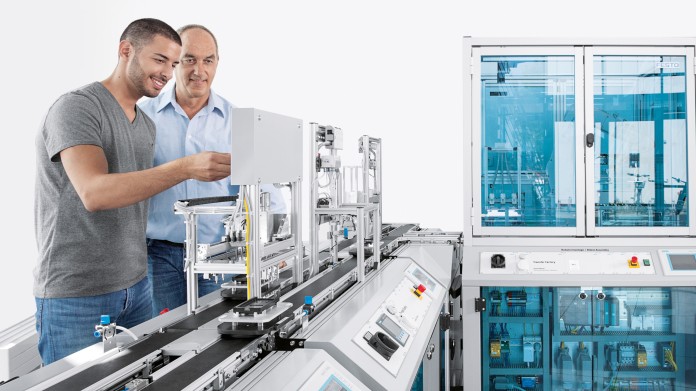
Employees are a critical asset in any manufacturing operation. Engaging the workforce in cost-saving initiatives can lead to innovative ideas and greater buy-in for process changes. Regular training ensures that staff are equipped to use new technologies and follow best practices, reducing errors and rework.
Empowering workers to participate in continuous improvement programs, such as suggestion schemes or cross-functional teams, can uncover hidden inefficiencies and foster a culture of accountability. Recognizing and rewarding contributions to cost-saving efforts further motivates staff to support organizational goals.
Quality Control and Waste Reduction
Defects, scrap, and rework are major contributors to unnecessary costs in manufacturing. Implementing robust quality control systems helps catch issues early, preventing defective products from advancing through the production line. Statistical process control (SPC), root cause analysis, and regular audits are essential tools for maintaining high standards.
Emerging technologies such as wearable AI for manual inspection support and vision systems can further enhance inspection accuracy, reduce human error, and minimize waste. By focusing on quality at every stage, manufacturers can lower costs associated with returns, warranty claims, and customer dissatisfaction.
Energy Efficiency and Sustainability Initiatives
Energy consumption is a significant operational expense for many manufacturing facilities. Investing in energy-efficient equipment, optimizing lighting and HVAC systems, and implementing energy monitoring can yield substantial savings. Additionally, sustainable practices such as recycling, waste-to-energy conversion, and water conservation not only reduce costs but also enhance the company’s reputation and compliance with regulations.
Manufacturers can also benefit from government incentives for adopting green technologies, further offsetting investment costs and improving long-term profitability.
Continuous Improvement and Data-Driven Decision Making
Adopting a culture of continuous improvement ensures that cost-saving measures are not one-time events but ongoing efforts. Regularly reviewing key performance indicators (KPIs), benchmarking against industry standards, and soliciting feedback from employees help identify new opportunities for efficiency gains.
Data analytics play a crucial role in this process. By collecting and analyzing production data, manufacturers can uncover trends, predict potential issues, and make informed decisions that drive down costs. Tools such as monitoring AI model drift in factories are increasingly important for maintaining accuracy and reliability in automated systems.
Frequently Asked Questions
What are the most effective ways to lower manufacturing costs without sacrificing quality?
Effective approaches include optimizing production processes, investing in automation, improving supplier relationships, and focusing on quality control. Engaging employees in continuous improvement and leveraging data analytics also contribute to sustainable cost savings while maintaining high standards.
How can technology help reduce expenses in manufacturing?
Technologies such as robotics, MES, IIoT, and AI-powered inspection tools streamline operations, minimize errors, and provide real-time insights. These advancements enable manufacturers to identify inefficiencies, predict maintenance needs, and automate repetitive tasks, all of which help reduce operational costs.
Why is workforce engagement important for cost-saving initiatives?
Employees often have valuable insights into day-to-day operations and can identify inefficiencies that management might overlook. Involving staff in improvement programs encourages innovation, increases buy-in for changes, and helps sustain cost reduction efforts over time.