
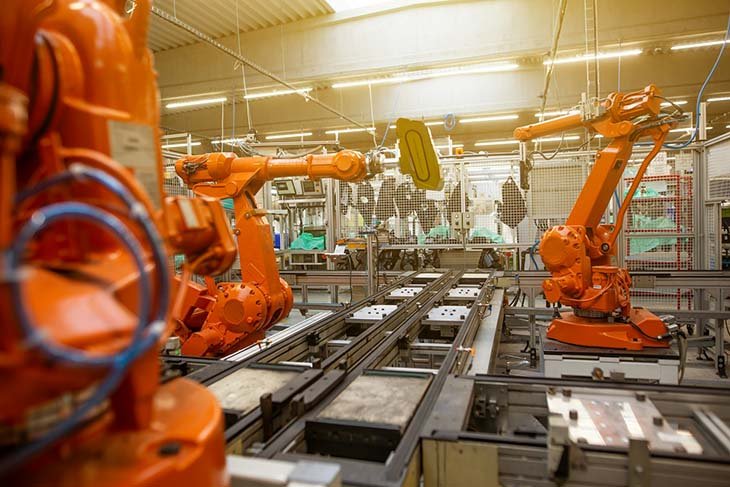
The rapid evolution of manufacturing technologies is reshaping how organizations approach quality assurance and process optimization. As factories and supply chains become more digitized, the need for robust digital manufacturing transformation quality strategies has never been greater. Manufacturers are under increasing pressure to deliver consistent, high-quality products while adapting to new digital tools, data-driven workflows, and ever-changing customer expectations.
Embracing digital transformation in manufacturing is not just about adopting new machines or software. It requires a holistic approach that integrates quality management, real-time monitoring, and advanced analytics into every stage of production. This article explores the essential elements of successful quality strategies for digital manufacturing, offering practical guidance for leaders and teams navigating this complex landscape.
For organizations seeking to scale their quality initiatives, leveraging enterprise quality management systems can provide a unified framework for global operations, ensuring that digital transformation efforts are both sustainable and measurable.
Key Drivers Behind Quality Initiatives in Digital Manufacturing
Several factors are fueling the shift toward digital-first quality management in manufacturing environments. Understanding these drivers is crucial for developing effective strategies:
- Customer Expectations: Demand for customized, defect-free products is rising, making quality a competitive differentiator.
- Regulatory Compliance: Digital records and traceability are essential for meeting industry standards and audits.
- Operational Efficiency: Automated quality checks and data analytics minimize waste, reduce downtime, and improve throughput.
- Global Supply Chains: Coordinating quality across multiple sites and partners requires digital connectivity and standardized processes.
Building Blocks of Digital Manufacturing Quality Transformation
A successful transformation journey relies on integrating several foundational elements. Each plays a unique role in elevating product quality and operational resilience.
Real-Time Data Collection and Monitoring
The backbone of any digital quality strategy is the ability to capture and analyze data as production happens. Sensors, IoT devices, and connected machinery enable continuous monitoring of critical parameters such as temperature, pressure, and dimensional accuracy.
Implementing real-time monitoring not only helps in early detection of defects but also supports predictive maintenance and process optimization. For a deeper dive into how real-time insights can reduce downtime and boost output, explore this guide on real-time monitoring for manufacturing.
Advanced Analytics for Proactive Quality Management
With vast amounts of data generated on the shop floor, advanced analytics tools are essential for turning raw information into actionable insights. Machine learning algorithms can identify patterns, predict quality issues, and recommend process adjustments before defects occur.
Adopting advanced manufacturing quality analytics empowers teams to move from reactive to proactive quality management, reducing scrap rates and improving first-pass yield.
Automated Inspection and Quality Control Systems
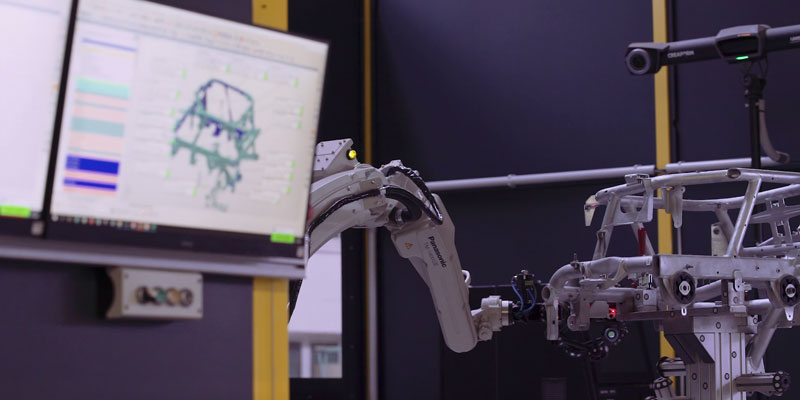
Automation is transforming traditional inspection processes. Vision systems, 3D scanners, and robotic arms can perform high-speed, high-precision quality checks that are impossible to achieve manually. These systems ensure consistent inspection criteria and free up skilled workers for more value-added tasks.
Integrating automated quality control with manufacturing execution systems (MES) creates a closed feedback loop, allowing for immediate corrective actions and continuous improvement.
Strategies for Implementing Digital Quality Initiatives
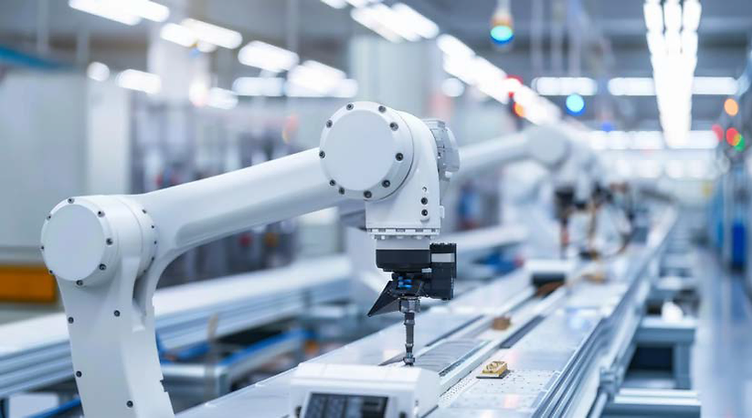
Transitioning to a digital quality framework requires careful planning and cross-functional collaboration. Below are proven strategies to ensure a smooth and effective rollout:
- Define Clear Objectives: Establish measurable goals for quality improvement, such as reducing defects, increasing traceability, or shortening cycle times.
- Standardize Data and Processes: Use common data formats and quality protocols across all sites to enable seamless integration and benchmarking.
- Invest in Workforce Training: Equip teams with the skills needed to operate new digital tools and interpret analytics outputs.
- Leverage Modular Solutions: Start with pilot projects or modular systems that can scale as your digital maturity grows.
- Monitor and Iterate: Continuously review performance metrics and refine strategies based on real-world feedback and evolving business needs.
Overcoming Common Challenges in Digital Quality Transformation
While the benefits of digitizing quality management are significant, manufacturers often encounter obstacles along the way. Addressing these challenges early can accelerate progress and maximize ROI:
- Data Silos: Integrate disparate systems to create a unified view of quality data across departments and locations.
- Change Management: Foster a culture of innovation and continuous improvement to encourage adoption of new technologies.
- Legacy Equipment: Retrofit older machines with sensors or use edge devices to bridge the gap between analog and digital processes.
- Cybersecurity: Protect sensitive production and quality data with robust security protocols and regular audits.
Enhancing Visibility and Control Across the Value Chain
End-to-end visibility is a hallmark of modern manufacturing quality systems. By connecting suppliers, production lines, and distribution channels through digital platforms, organizations can detect issues earlier and respond faster.
Solutions like end to end quality visibility systems provide real-time dashboards, alerts, and analytics that empower decision-makers at every level. This transparency not only improves product quality but also strengthens trust with customers and partners.
Continuous Improvement Through Next-Generation Monitoring
The journey toward digital excellence is ongoing. Next-generation monitoring systems leverage AI, cloud computing, and mobile connectivity to deliver deeper insights and faster responses. By adopting next generation quality monitoring systems, manufacturers can stay ahead of emerging trends and maintain a competitive edge.
Additionally, advanced variance detection tools help spot anomalies and process deviations before they escalate. Integrating variance detection in manufacturing into your quality strategy ensures that even subtle shifts in process performance are addressed promptly.
FAQ
What are the main benefits of adopting digital quality strategies in manufacturing?
Implementing digital approaches to quality management leads to increased efficiency, reduced defects, improved traceability, and enhanced compliance. These strategies also enable faster response to issues and support continuous improvement efforts.
How can manufacturers ensure successful integration of digital quality tools?
Success depends on clear goal-setting, standardizing processes, investing in workforce training, and selecting scalable solutions. It’s also important to foster a culture that embraces change and continuous learning.
What role does real-time monitoring play in digital manufacturing quality?
Real-time monitoring provides immediate visibility into production processes, allowing for early detection of deviations and rapid corrective action. This minimizes downtime, reduces waste, and helps maintain high product standards.
How do advanced analytics improve quality outcomes?
Advanced analytics transform raw production data into actionable insights, enabling proactive identification of trends, root causes, and opportunities for process optimization. This leads to more consistent quality and better decision-making.
By embracing a comprehensive approach to digital manufacturing transformation quality, organizations can achieve higher levels of operational excellence, customer satisfaction, and long-term competitiveness.