
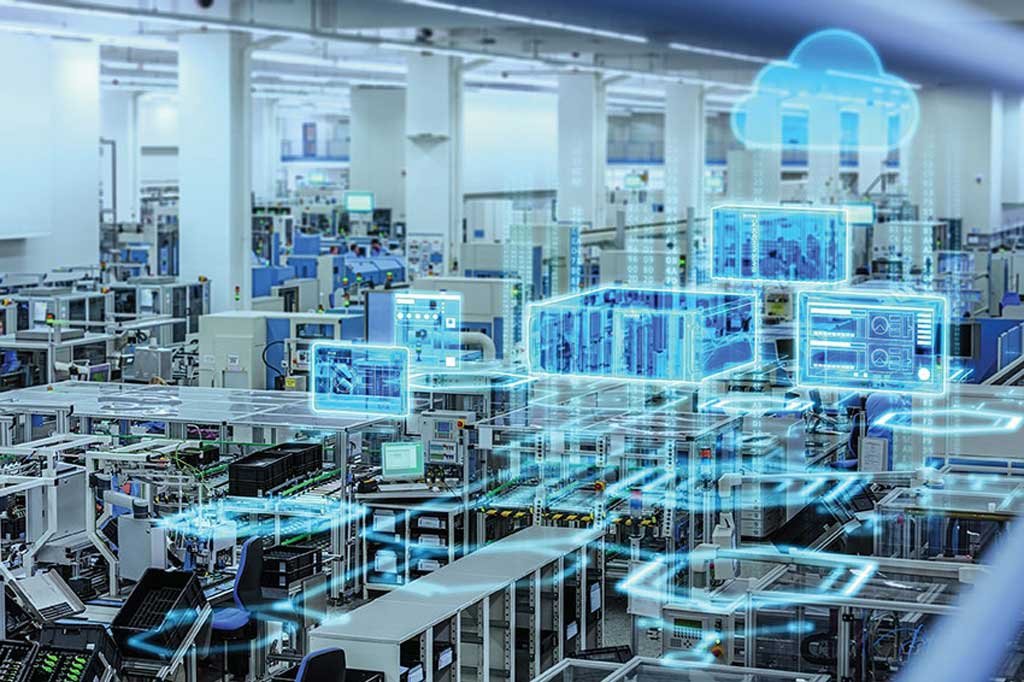
The manufacturing industry is experiencing rapid change as digital technologies reshape the way products are designed, produced, and delivered. Companies are adopting new tools and processes to improve productivity, reduce costs, and stay competitive. Understanding how digital transformation impacts manufacturing efficiency is essential for organizations aiming to thrive in this evolving landscape.
By integrating advanced technologies such as automation, data analytics, and the Industrial Internet of Things (IIoT), manufacturers can streamline operations, minimize waste, and respond more quickly to market demands. These changes are not just about adopting new software or machines—they require a shift in mindset and a commitment to continuous improvement.
For those seeking actionable smart manufacturing efficiency tips, leveraging digital tools is a key strategy to unlock higher performance and sustainable growth.
Key Drivers Behind Digital Change in Manufacturing
Several factors are pushing manufacturers to embrace digital transformation. Global competition, rising customer expectations, and the need for greater agility are just a few. As a result, companies are investing in technologies that enable real-time monitoring, predictive maintenance, and seamless communication across the supply chain.
- Automation and Robotics: Automated systems reduce manual labor, enhance precision, and speed up production cycles.
- Data Analytics: Advanced analytics provide insights into production bottlenecks, equipment performance, and quality control.
- IIoT Connectivity: Connected devices and sensors enable manufacturers to collect and analyze data from every stage of the process.
- Cloud Computing: Cloud-based platforms facilitate collaboration and data sharing across teams and locations.
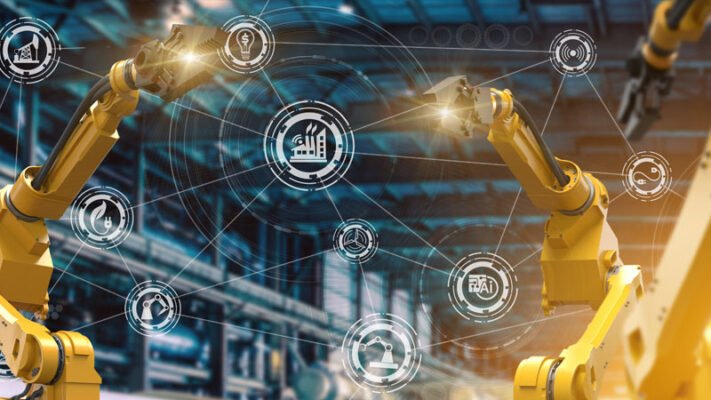
How Digital Solutions Enhance Production Efficiency
The integration of digital technologies offers tangible benefits for production efficiency. By automating repetitive tasks and enabling smarter decision-making, manufacturers can achieve higher throughput and better resource utilization.
Real-Time Data for Improved Decision Making
Access to real-time data is a game changer. Operators and managers can monitor equipment status, track inventory, and identify issues before they escalate. This proactive approach reduces downtime and ensures that resources are allocated effectively.
Predictive Maintenance and Reduced Downtime
Predictive maintenance uses data from sensors and machines to anticipate failures before they occur. This minimizes unexpected breakdowns and extends the lifespan of critical assets. For more on this topic, explore predictive maintenance for manufacturing efficiency.
Process Optimization Through Digital Transformation
Digital tools enable manufacturers to map out and analyze every step of their production processes. By identifying inefficiencies and redundancies, companies can implement targeted improvements. Those interested in detailed approaches may benefit from learning about process mapping for production efficiency.
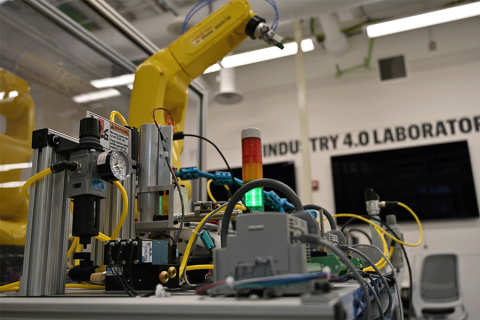
Challenges and Considerations in the Digital Shift
While the benefits are clear, transitioning to a digitally enabled manufacturing environment comes with its own set of challenges. Companies must address issues such as cybersecurity, workforce training, and integration with legacy systems.
- Cybersecurity Risks: Increased connectivity can expose systems to cyber threats. Robust security protocols are essential.
- Change Management: Employees need training and support to adapt to new technologies and workflows.
- System Integration: Merging new digital tools with existing infrastructure requires careful planning and investment.
- Data Management: Handling large volumes of data securely and efficiently is critical for success.
Addressing these challenges early on can help organizations avoid costly disruptions and ensure a smoother transition.
Best Practices for Maximizing Efficiency Through Digital Transformation
To fully realize the potential of digital transformation, manufacturers should focus on strategic planning and continuous improvement. Here are some best practices:
- Set Clear Objectives: Define what you want to achieve, whether it’s reducing downtime, improving quality, or increasing throughput.
- Start Small and Scale: Pilot new technologies in one area before rolling them out across the entire operation.
- Invest in Training: Equip your workforce with the skills needed to operate and maintain new systems.
- Monitor and Measure: Use key performance indicators (KPIs) to track progress and identify areas for further improvement.
- Collaborate Across Teams: Encourage open communication between IT, operations, and management to ensure alignment and buy-in.
For more strategies on optimizing production, see how to improve production cycle efficiency.
Case Examples: Real-World Impact of Digital Transformation
Many manufacturers have already seen significant gains by adopting digital solutions. For instance, companies using IIoT-enabled sensors have reported reductions in machine downtime and energy consumption. Automated quality control systems have improved product consistency and reduced waste.
In addition, advanced analytics have enabled organizations to forecast demand more accurately and adjust production schedules accordingly. These improvements not only boost efficiency but also enhance customer satisfaction by ensuring timely delivery and high product quality.
For further reading on how digital initiatives can improve operational outcomes, review this comprehensive guide to improving production efficiency with digital tools.
Frequently Asked Questions
What are the main benefits of digital transformation for manufacturers?
Adopting digital technologies allows manufacturers to increase productivity, reduce operational costs, improve product quality, and respond more quickly to market changes. Enhanced data visibility and automation also support better decision-making and resource allocation.
How can manufacturers overcome challenges during digital adoption?
Successful digital adoption requires a clear strategy, strong leadership, and investment in employee training. Addressing cybersecurity, ensuring system compatibility, and fostering a culture of continuous improvement are also crucial for overcoming common obstacles.
Which technologies are most impactful for boosting manufacturing efficiency?
Key technologies include automation and robotics, IIoT devices, advanced analytics, cloud computing, and predictive maintenance systems. These tools help streamline operations, reduce downtime, and provide actionable insights for ongoing optimization.
As the manufacturing sector continues to evolve, embracing digital transformation is no longer optional—it’s a necessity for those seeking to remain competitive and efficient in a fast-changing world.