

In today’s competitive manufacturing landscape, organizations are constantly seeking ways to optimize operations and boost productivity. One of the most effective strategies for achieving these goals is a strong focus on employee training for production efficiency. Well-designed training programs not only equip staff with the skills needed for their roles but also foster a culture of continuous improvement, reduce errors, and drive operational excellence.
Investing in workforce development can yield significant returns, from minimizing downtime to enhancing product quality. As technology and processes evolve, ongoing education ensures that teams remain agile and capable of meeting new challenges head-on. For those interested in a broader perspective on operational improvements, exploring how to improve production efficiency can provide additional actionable insights.
The Role of Workforce Development in Manufacturing
Manufacturing environments are dynamic and often complex. New technologies, stricter regulations, and changing customer demands require employees to adapt quickly. Employee training for production efficiency is not just about teaching technical skills; it’s about enabling staff to understand the bigger picture, identify bottlenecks, and contribute to process improvements.
Effective training programs address both hard and soft skills. While technical knowledge is essential for operating machinery and maintaining equipment, communication, problem-solving, and teamwork are equally important for smooth workflows. When employees are confident in their abilities and understand the impact of their work, they are more likely to take initiative and suggest ways to optimize production.
Key Elements of Effective Training Programs
To maximize the impact of workforce education, organizations should focus on several core components:
- Needs Assessment: Identify skill gaps and areas where efficiency can be improved. This ensures training is targeted and relevant.
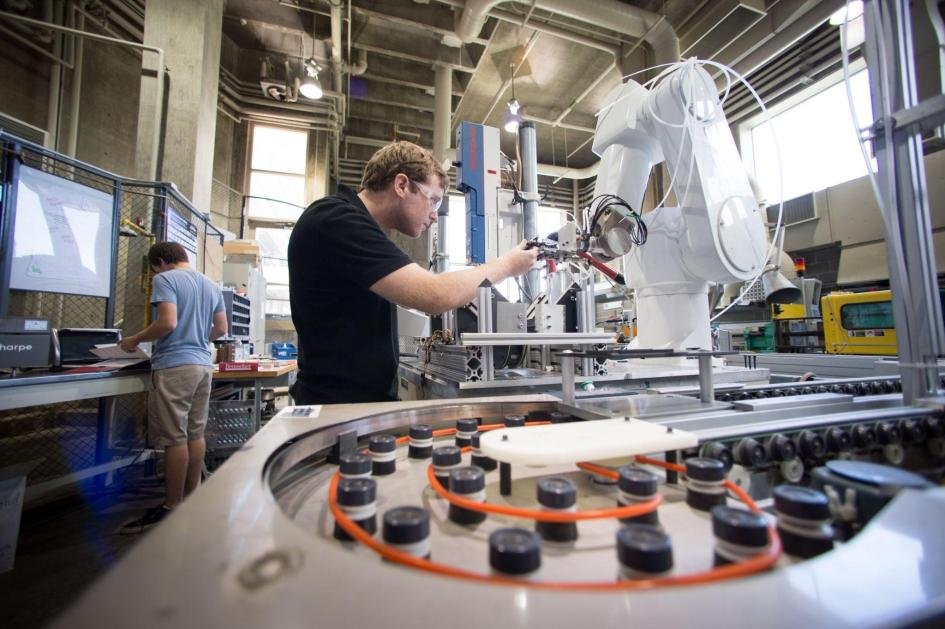
- Hands-On Learning: Practical, on-the-job training helps employees apply new knowledge directly to their daily tasks, reinforcing retention and confidence.
- Continuous Feedback: Regular assessments and feedback sessions allow for adjustments in training content and methods, ensuring ongoing relevance.
- Use of Technology: Digital platforms, simulations, and e-learning modules can make training more accessible and engaging, especially for complex processes.
- Cross-Training: Encouraging employees to learn multiple roles increases flexibility and reduces downtime when staff are absent or production needs shift.
By integrating these elements, companies can create a robust framework that supports both individual growth and organizational goals.
How Training Drives Process Optimization
Well-trained employees are better equipped to spot inefficiencies and suggest improvements. For example, a team member who understands the full production cycle can identify unnecessary steps or redundant tasks. This proactive approach leads to streamlined workflows and fewer disruptions.
Moreover, training reduces the likelihood of costly mistakes. Errors in manufacturing can lead to wasted materials, rework, and even safety incidents. By ensuring that staff are knowledgeable and up-to-date with best practices, organizations can minimize these risks and maintain high standards of quality.
For more strategies on minimizing waste and enhancing productivity, consider reviewing guidance on how to reduce production waste.
Integrating Technology Into Employee Learning
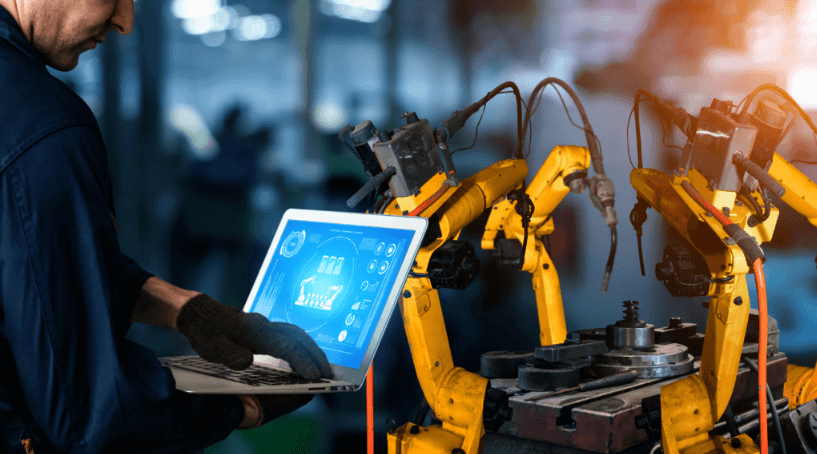
The rise of Industry 4.0 has transformed the way manufacturers approach both production and training. Digital tools such as augmented reality (AR), virtual reality (VR), and interactive e-learning platforms provide immersive experiences that accelerate learning and improve retention.
For example, AR can guide workers through complex assembly tasks step-by-step, reducing errors and training time. Online modules allow employees to learn at their own pace, while analytics track progress and highlight areas for improvement. Embracing these technologies not only enhances training outcomes but also prepares the workforce for future advancements in manufacturing.
Measuring the Impact of Training on Production Efficiency
To ensure that training initiatives deliver real value, it’s important to track key performance indicators (KPIs) before and after implementation. Common metrics include:
- Production output: Are units produced per hour or shift increasing?
- Error rates: Has the frequency of defects or rework decreased?
- Downtime: Are machines and lines running more consistently with fewer interruptions?
- Employee engagement: Do staff report higher job satisfaction and confidence in their roles?
Regularly reviewing these metrics helps organizations fine-tune their training programs and demonstrate return on investment. For additional best practices, see advice on production efficiency best practices.
Overcoming Common Challenges in Workforce Training
While the benefits of employee development are clear, organizations may encounter obstacles such as limited budgets, resistance to change, or difficulty in scheduling sessions without disrupting operations. Addressing these challenges requires a strategic approach:
- Leadership Buy-In: Secure support from management by demonstrating the link between training and measurable business outcomes.
- Flexible Scheduling: Offer training during slower production periods or in modular formats to minimize impact on output.
- Employee Involvement: Involve staff in the design and delivery of training to increase engagement and relevance.
- Continuous Improvement: Treat training as an ongoing process, regularly updating content to reflect new technologies and methods.
By proactively addressing these issues, companies can create a culture where learning and efficiency go hand in hand.
Industry Insights and Further Resources
Many leading manufacturers have demonstrated that a commitment to workforce development leads to sustained improvements in productivity and quality. For a deeper dive into practical strategies, the article on improving productivity and efficiency in manufacturing offers valuable perspectives and case studies.
Additionally, exploring ways to increase manufacturing efficiency can provide actionable tips for organizations at any stage of their improvement journey.
Frequently Asked Questions
What types of training are most effective for boosting production efficiency?
The most effective approaches combine hands-on learning, digital modules, and cross-training. Practical exercises help employees apply concepts directly to their roles, while online resources provide flexibility. Cross-training increases workforce versatility and reduces bottlenecks.
How often should manufacturing staff receive training updates?
Regular updates are essential, especially as technology and processes evolve. Many organizations schedule refresher courses annually or after significant process changes. Ongoing micro-learning sessions can also reinforce key concepts throughout the year.
How can companies measure the success of their training programs?
Success can be measured by tracking KPIs such as production output, error rates, downtime, and employee engagement. Surveys and feedback sessions also provide insight into how well training is meeting workforce needs and driving improvements.