
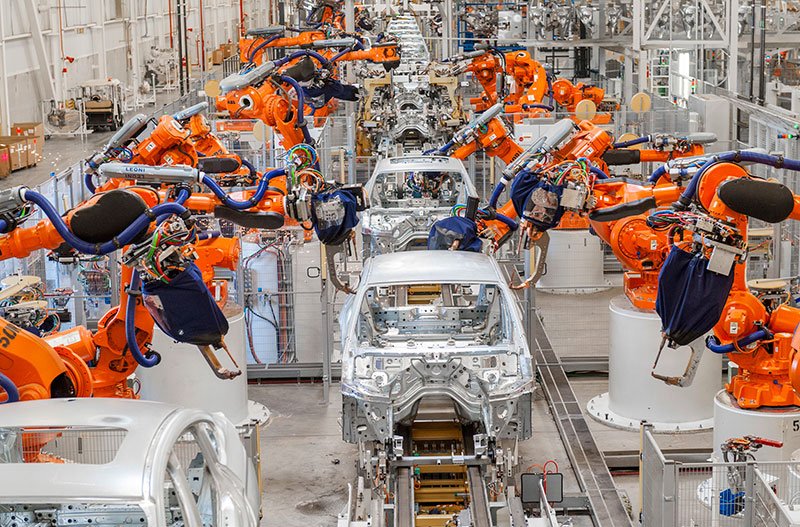
Improving energy efficiency in manufacturing processes is a top priority for modern factories and production facilities. With rising energy costs, stricter environmental regulations, and increasing demand for sustainable practices, manufacturers are under pressure to optimize their operations. This guide explores practical strategies, technologies, and best practices that can help businesses reduce energy consumption, lower costs, and minimize their environmental footprint.
For those interested in related topics, you may also want to explore how to reduce production waste for further insights on streamlining operations and minimizing resource loss.
Understanding the Importance of Efficient Manufacturing
Manufacturing is one of the most energy-intensive sectors globally. Factories rely on electricity, natural gas, and other fuels to power machinery, lighting, heating, cooling, and more. Inefficient use of these resources not only increases operational costs but also contributes to greenhouse gas emissions and environmental degradation.
By focusing on energy efficiency in manufacturing processes, companies can achieve significant benefits:
- Cost savings through reduced utility bills
- Lower carbon footprint and improved sustainability credentials
- Enhanced competitiveness in a market that values green practices
- Compliance with evolving environmental standards and regulations
- Improved equipment lifespan and reduced maintenance needs
Key Areas to Target for Better Energy Performance
Achieving optimal energy use in manufacturing requires a holistic approach. Below are some of the most impactful areas to address:
1. Equipment and Machinery Upgrades
Older machines often consume more power than necessary. Upgrading to energy-efficient motors, drives, and production equipment can deliver immediate savings. Variable frequency drives (VFDs), for example, allow motors to operate only at the speed required, reducing unnecessary energy use.
2. Process Optimization and Automation
Streamlining workflows and automating repetitive tasks can reduce waste and energy consumption. Advanced control systems and sensors enable real-time monitoring, allowing operators to identify inefficiencies and adjust processes accordingly.

3. Facility Lighting and HVAC Systems
Lighting and climate control are major energy users in factories. Switching to LED lighting, installing motion sensors, and using smart thermostats can reduce electricity use. Regular maintenance of HVAC systems ensures they operate efficiently, preventing energy loss.
4. Compressed Air and Steam Systems
Leaks and inefficiencies in compressed air and steam systems are common sources of wasted energy. Regular inspections, timely repairs, and the use of energy-efficient compressors and boilers can make a substantial difference.
Strategies for Implementing Energy-Saving Measures
Improving energy efficiency in manufacturing processes is not a one-time project, but an ongoing effort. Here are some proven strategies to guide your journey:
- Conduct an energy audit: Assess current energy use and identify areas for improvement. Audits can reveal hidden inefficiencies and prioritize actions with the highest impact.
- Set measurable goals: Define clear targets for energy reduction, such as percentage savings over a specific period.
- Engage employees: Train staff on energy-saving practices and encourage them to contribute ideas for improvement.
- Monitor and measure: Use energy management systems to track progress and adjust strategies as needed.
- Leverage incentives: Take advantage of government grants, rebates, or tax credits for implementing energy-efficient technologies.
Role of Digital Technologies in Enhancing Efficiency
The adoption of digital tools is transforming how manufacturers manage energy. Technologies such as the Industrial Internet of Things (IIoT), artificial intelligence, and machine learning enable predictive maintenance, real-time monitoring, and data-driven decision-making.
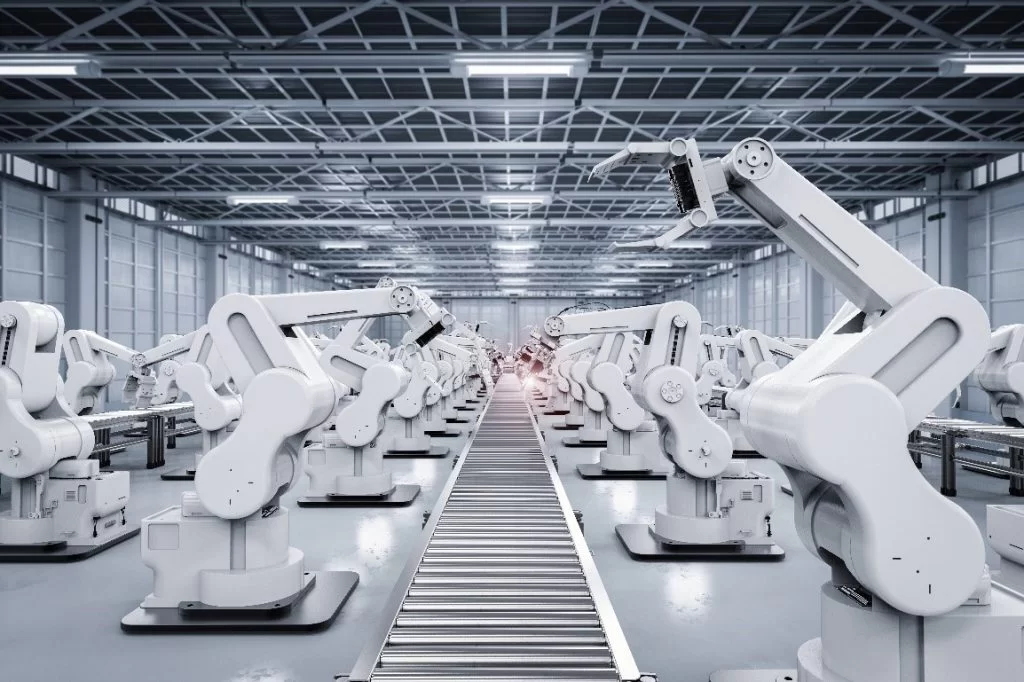
For example, smart sensors can detect when a machine is running inefficiently or when maintenance is required, preventing costly breakdowns and unnecessary energy use. Data analytics platforms can uncover patterns and suggest process improvements that may not be obvious through manual observation.
Manufacturers looking to further streamline their operations can benefit from resources like how to improve production efficiency and ways to increase manufacturing efficiency, which provide actionable steps for boosting productivity while reducing resource consumption.
Best Practices for Sustainable Manufacturing Operations
Adopting a culture of continuous improvement is essential for maintaining high levels of efficiency. Here are some best practices to consider:
- Regularly review energy usage data to spot trends and anomalies.
- Benchmark performance against industry standards to identify gaps.
- Invest in employee training so that all staff understand the importance of energy conservation.
- Collaborate with suppliers to source energy-efficient materials and components.
- Integrate sustainability goals into overall business strategy.
For more on effective operational practices, see production efficiency best practices for manufacturers.
Common Challenges and How to Overcome Them
While the benefits are clear, many manufacturers face obstacles such as limited budgets, resistance to change, or lack of technical expertise. Overcoming these challenges involves:
- Starting small: Implement low-cost, high-impact changes first, such as fixing leaks or adjusting machine settings.
- Building a business case: Use data to demonstrate the return on investment for energy-saving initiatives.
- Seeking expert advice: Consult with energy specialists or industry peers who have successfully implemented similar projects.
- Staying informed: Keep up with new technologies and best practices by reading industry publications and case studies, such as real-world defect detection success stories using AI.
Further Resources and Industry Insights
There is a wealth of information available to help manufacturers on their journey toward greater efficiency. For a comprehensive overview of actionable strategies, the article improving manufacturing efficiency through data-driven approaches offers practical tips and real-world examples.
Frequently Asked Questions
What are the most effective ways to boost energy efficiency in a factory?
The most impactful steps include upgrading to energy-efficient equipment, optimizing production processes, maintaining HVAC and compressed air systems, and leveraging digital monitoring tools. Employee engagement and regular energy audits also play a critical role.
How can digital technologies help reduce energy use in manufacturing?
Digital solutions such as IIoT sensors, AI-driven analytics, and automation platforms provide real-time data, enable predictive maintenance, and help identify inefficiencies. These tools make it easier to monitor energy consumption and implement targeted improvements.
Are there financial incentives for manufacturers to adopt energy-saving measures?
Yes, many governments and utility companies offer grants, rebates, and tax credits for investing in energy-efficient technologies and practices. It’s important to research available programs in your region to maximize potential savings.