
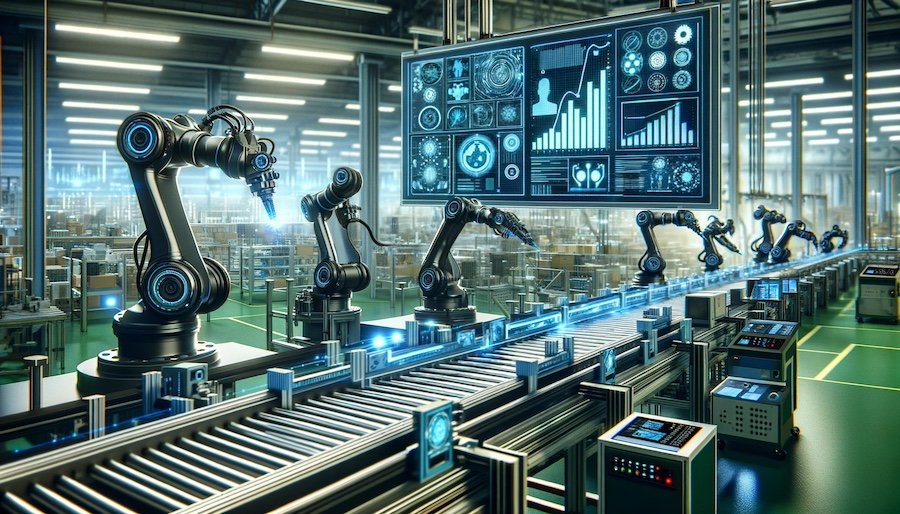
As manufacturing and industrial processes become more complex, the demand for rapid, accurate quality checks is higher than ever. Traditional inspection methods, while reliable, often struggle to keep up with the speed and variability of modern production lines. This is where edge AI for inspection is making a significant impact. By bringing artificial intelligence directly to the source of data—on the factory floor or within the device—companies can achieve real-time analysis, reduce latency, and improve decision-making at the point of need.
In this article, we’ll break down how edge-based AI solutions are transforming inspection workflows, highlight the key benefits, and explore practical considerations for implementation. If you’re interested in how these systems compare to older approaches, you might also want to read about the ai vs traditional machine vision landscape.
Understanding Edge-Based AI in Industrial Inspection
Edge AI refers to deploying artificial intelligence algorithms on local hardware devices—such as cameras, sensors, or embedded systems—rather than relying solely on cloud-based processing. For inspection tasks, this means that data from cameras or sensors is analyzed instantly, right where it’s collected. The result is a dramatic reduction in the time it takes to detect defects, anomalies, or process deviations.
Unlike centralized systems that send data to remote servers for analysis, edge AI solutions process information on-site. This approach is particularly valuable for industries where speed, data privacy, and reliability are critical, such as automotive, electronics, pharmaceuticals, and food production.
Key Benefits of Edge AI for Quality Assurance
Integrating edge AI for inspection into production lines delivers several advantages over traditional inspection methods and even cloud-based AI systems:
- Real-Time Decision Making: By processing data locally, edge AI can identify defects or irregularities instantly, allowing for immediate corrective actions and minimizing waste.
- Reduced Latency: Eliminating the need to transmit large volumes of image or sensor data to the cloud means results are available in milliseconds, which is crucial for high-speed manufacturing.
- Enhanced Data Privacy: Sensitive production data remains on-site, reducing the risk of data breaches and ensuring compliance with strict industry regulations.
- Lower Bandwidth Requirements: Since only relevant results or alerts are sent to central systems, network congestion and operational costs are minimized.
- Scalability: Edge AI systems can be deployed across multiple lines or facilities without overloading centralized infrastructure, supporting business growth and flexibility.
For a deeper dive into how AI-driven inspection systems work, see the what is an ai-driven inspection system guide.
How Edge AI Inspection Systems Work
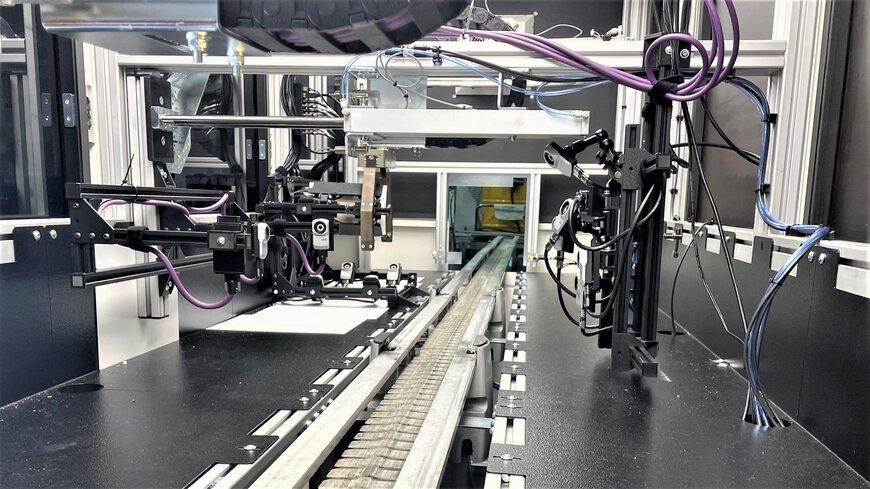
The core of an edge-based inspection system is a combination of hardware and software. Cameras or sensors capture images or data from the production line. Embedded processors—often equipped with specialized AI chips—run trained machine learning models to analyze this data in real time.
These models are typically trained on large datasets of product images or sensor readings, learning to distinguish between acceptable and defective items. Once deployed, the system can:
- Detect surface defects, dimensional errors, or assembly mistakes
- Classify products by type, color, or quality grade
- Trigger alarms or stop the line if a critical issue is found
- Log inspection results for traceability and continuous improvement
Comparing Edge AI and Cloud-Based Inspection
While cloud-based AI offers powerful analytics and centralized control, it can introduce delays due to data transfer and processing times. In contrast, edge AI delivers immediate results and is less susceptible to network outages or bandwidth limitations.
However, there are scenarios where a hybrid approach makes sense. For example, edge devices can handle real-time defect detection, while summary data is sent to the cloud for long-term analysis, reporting, or retraining of AI models. This balance ensures both speed and strategic oversight.
For manufacturers looking to how to improve production scalability, edge AI provides a practical path to faster, more reliable inspection without overwhelming IT infrastructure.
Implementation Considerations for Edge AI in Inspection
Adopting edge-based AI solutions requires careful planning. Here are some factors to keep in mind:
- Hardware Compatibility: Ensure that cameras, sensors, and edge processors are suitable for the production environment and can handle the required workloads.
- Model Training and Updates: AI models must be trained on representative data and periodically updated to adapt to changes in products or processes.
- Integration with Existing Systems: Edge AI should work seamlessly with manufacturing execution systems (MES), programmable logic controllers (PLCs), and other automation tools.
- Maintenance and Support: Plan for ongoing monitoring, troubleshooting, and support to keep edge devices running smoothly.
- Security: Protect edge devices from unauthorized access, as they may contain sensitive production logic and data.
For a broader perspective on how AI is transforming quality assurance, see this overview of AI-driven quality assurance.
Real-World Applications and Industry Impact
Edge AI inspection is already making a difference across various sectors:
- Automotive: Detecting paint defects, weld quality, and assembly errors in real time
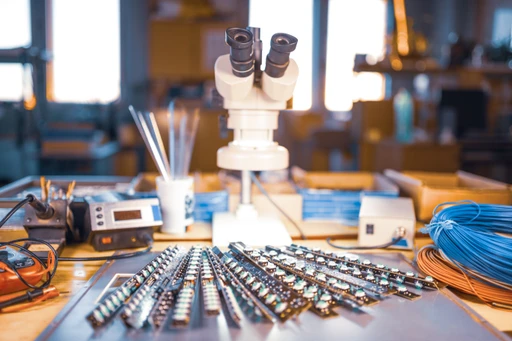
- Electronics: Inspecting printed circuit boards (PCBs) for soldering faults or missing components
- Pharmaceuticals: Ensuring correct labeling, packaging integrity, and product consistency
- Food & Beverage: Monitoring fill levels, seal integrity, and contamination risks
These applications demonstrate how edge AI not only improves defect detection rates but also enables more agile, responsive manufacturing. By catching issues early, companies can reduce recalls, minimize downtime, and enhance customer satisfaction.
Challenges and Future Outlook
While the benefits are clear, deploying edge AI for inspection is not without challenges. Initial setup costs, the need for skilled personnel, and the complexity of integrating with legacy systems can be barriers. Additionally, as AI models become more sophisticated, ensuring their transparency and explainability will be important for regulatory compliance and operator trust.
Looking ahead, advances in hardware acceleration, federated learning, and standardized interfaces are expected to make edge AI solutions more accessible and easier to maintain. As more manufacturers adopt these technologies, the industry will likely see a shift toward smarter, more autonomous production environments.
FAQ
What is edge AI and how does it improve inspection speed?
Edge AI refers to running artificial intelligence algorithms directly on local devices, such as cameras or sensors, rather than sending data to remote servers. This allows inspection systems to analyze data instantly, providing real-time feedback and enabling immediate corrective actions on the production line.
How does edge AI differ from traditional machine vision?
Traditional machine vision relies on rule-based algorithms and often requires manual tuning for each new product or defect type. Edge AI uses machine learning models that can adapt to complex patterns and variations, offering greater flexibility and accuracy. For more details, see the ai vs traditional machine vision comparison.
What are the main challenges in deploying edge AI for inspection?
Key challenges include ensuring hardware compatibility, training and updating AI models, integrating with existing automation systems, and maintaining device security. Companies must also invest in staff training and ongoing support to maximize the value of edge-based inspection solutions.