
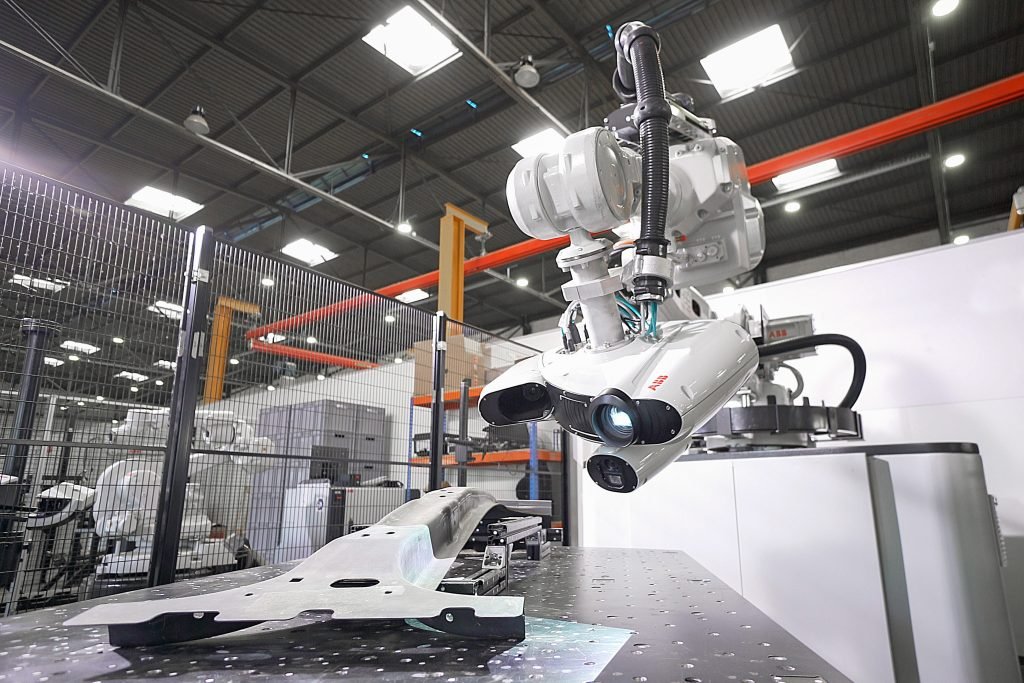
The landscape of quality assurance technology is undergoing rapid transformation as industries adapt to new challenges and opportunities. With increasing demands for efficiency, accuracy, and compliance, businesses are turning to advanced solutions to ensure product and process excellence. The future of quality assurance technology is being shaped by innovations such as artificial intelligence, real-time monitoring, and data-driven analytics, all of which are redefining how organizations approach quality at every stage of production.
As manufacturing and service sectors become more complex, the need for robust, scalable, and intelligent quality systems has never been greater. Companies are recognizing that traditional inspection methods are no longer sufficient to meet modern standards. Instead, they are investing in integrated platforms that provide enterprise quality management systems, enabling end-to-end visibility and proactive control over quality metrics. This shift is not just about adopting new tools—it’s about building a culture of continuous improvement powered by technology.
Emerging Trends Shaping Tomorrow’s Quality Assurance
Several key trends are influencing the evolution of quality assurance in industry. Automation and machine learning are at the forefront, allowing for faster detection of defects and anomalies. Vision systems, for example, can now identify minute inconsistencies in products that would be impossible to spot with the naked eye. These advancements are complemented by the integration of real-time data analytics, which empowers teams to make informed decisions and quickly address issues before they escalate.
Another significant trend is the adoption of next generation quality monitoring systems. These platforms leverage cloud connectivity and IoT devices to collect and analyze data from multiple sources, providing a holistic view of quality performance across the entire value chain. By implementing such systems, organizations can achieve greater transparency and agility, responding to quality challenges with unprecedented speed.
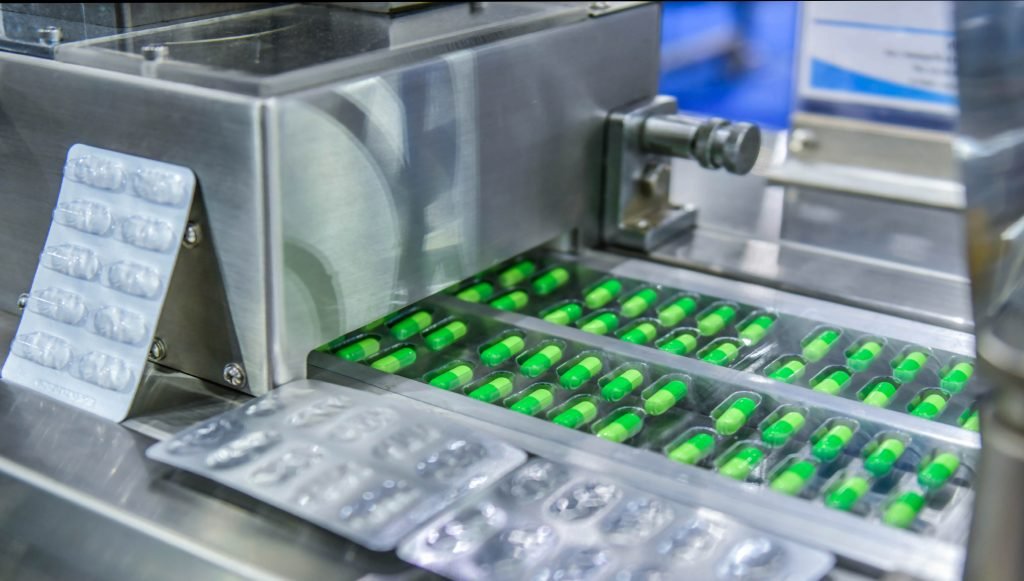
Artificial Intelligence and Machine Learning in Quality Control
The integration of artificial intelligence (AI) and machine learning is revolutionizing how quality is managed in industrial settings. AI-driven algorithms can process vast amounts of data from sensors, cameras, and production equipment, identifying patterns and predicting potential failures. This proactive approach reduces downtime, minimizes waste, and ensures consistent product quality.
Machine learning models are particularly effective in applications such as variance detection in manufacturing, where subtle deviations in process parameters can lead to significant quality issues. By continuously learning from new data, these systems become more accurate over time, adapting to changes in materials, equipment, and environmental conditions.
AI also enables the automation of complex inspection tasks. For instance, deep learning-based vision systems can classify products, detect surface defects, and even assess assembly completeness with remarkable precision. As these technologies mature, they will become standard components of quality assurance frameworks across industries.
Real-Time Monitoring and End-to-End Visibility
One of the most impactful developments in the future of quality assurance technology is the move toward real-time monitoring and end-to-end visibility. By deploying sensors and connected devices throughout the production process, companies can capture critical quality data as it happens. This information is then aggregated and visualized through dashboards, enabling immediate response to deviations and bottlenecks.
Solutions that deliver end to end quality visibility systems are becoming essential for organizations seeking to maintain high standards in fast-paced environments. These systems not only track quality metrics but also integrate with enterprise resource planning (ERP) and manufacturing execution systems (MES) to provide a unified view of operations.
For industries where compliance and traceability are paramount, such as pharmaceuticals and automotive, real-time monitoring ensures that every step of the process is documented and auditable. This capability is further enhanced by real-time monitoring solutions that offer advanced analytics and automated alerts, helping teams stay ahead of potential issues.
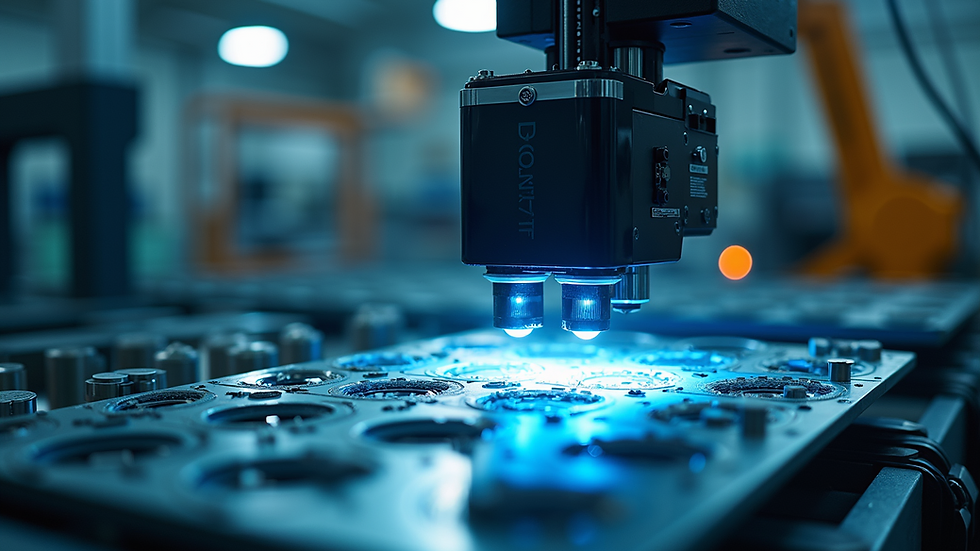
Data-Driven Decision Making and Advanced Analytics
Data is at the heart of modern quality assurance. The ability to collect, analyze, and act on quality data in real time is transforming how organizations operate. Advanced analytics tools enable teams to identify trends, root causes, and opportunities for improvement, driving a culture of continuous enhancement.
Platforms that support advanced manufacturing quality analytics are helping companies move beyond reactive problem-solving to proactive quality management. By leveraging predictive analytics and machine learning, these solutions can forecast potential quality issues and recommend corrective actions before defects reach customers.
Moreover, data-driven insights are facilitating collaboration across departments, breaking down silos and ensuring that everyone is aligned around shared quality objectives. This holistic approach not only improves product outcomes but also enhances customer satisfaction and brand reputation.
Challenges and Considerations for Adopting New Technologies
While the benefits of modern quality assurance tools are clear, organizations must also navigate several challenges when adopting these innovations. Integration with legacy systems, data security, and the need for skilled personnel are common hurdles. Ensuring that new technologies align with existing processes and regulatory requirements is essential for successful implementation.
Change management is another critical factor. Employees must be trained to use new tools effectively and to interpret the insights generated by advanced analytics. Building a culture that embraces technology and values data-driven decision making is key to realizing the full potential of these solutions.
Despite these challenges, the long-term advantages of investing in the future of quality assurance technology far outweigh the initial obstacles. Companies that prioritize innovation and adaptability will be best positioned to thrive in an increasingly competitive landscape.
Looking Ahead: What’s Next for Quality Assurance?
The journey toward smarter, more efficient quality assurance is ongoing. As technologies such as AI, IoT, and cloud computing continue to evolve, their impact on quality management will only grow. Future developments may include greater use of autonomous inspection systems, enhanced predictive maintenance capabilities, and deeper integration with supply chain partners.
Organizations that stay ahead of these trends will benefit from improved efficiency, reduced costs, and higher customer satisfaction. By embracing a forward-thinking approach and leveraging the latest tools, businesses can ensure that quality remains a central pillar of their operations for years to come.
Frequently Asked Questions
How is artificial intelligence changing quality assurance in industry?
Artificial intelligence is enabling automated inspection, predictive analytics, and adaptive process control. AI systems can analyze large volumes of data to detect defects, predict failures, and optimize production parameters, resulting in higher accuracy and efficiency compared to traditional methods.
What are the main benefits of real-time quality monitoring?
Real-time monitoring provides immediate visibility into production processes, allowing teams to quickly identify and address quality issues. This approach reduces downtime, minimizes waste, and ensures compliance with industry standards by capturing and analyzing data as it is generated.
What challenges might companies face when implementing new quality assurance technologies?
Common challenges include integrating new systems with existing infrastructure, ensuring data security, and training staff to use advanced tools. Organizations must also manage change effectively and align technology adoption with regulatory and operational requirements.