
Adopting AI-powered inspection can transform quality control and operational efficiency across manufacturing, logistics, and many other sectors. As companies look to automate defect detection, reduce human error, and scale production, understanding how to implement AI inspection is crucial for successful digital transformation. This article offers a practical, step-by-step approach to integrating artificial intelligence into your inspection processes, highlighting key considerations, best practices, and common challenges.
For organizations evaluating the differences between traditional and AI-driven approaches, exploring the ai vs traditional machine vision comparison can provide valuable context before embarking on an AI inspection journey.
Understanding the Basics of AI-Driven Inspection
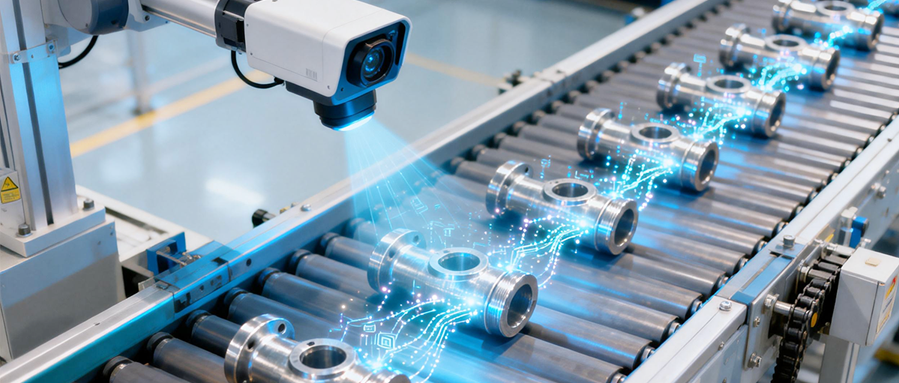
Before diving into the implementation process, it’s important to clarify what AI inspection entails. Unlike traditional machine vision systems, which rely on fixed rules and templates, AI-based inspection leverages machine learning algorithms to analyze images or sensor data, identify patterns, and detect anomalies. These systems can adapt to new defect types, handle variability, and improve over time with more data.
For a comprehensive overview of how these systems work, see what is an ai-driven inspection system.
Key Steps to Deploying AI Inspection Solutions
1. Define Objectives and Success Metrics
Start by outlining the specific goals for your AI inspection initiative. Are you aiming to reduce defect rates, speed up inspections, or lower operational costs? Establish clear, measurable KPIs such as defect detection accuracy, false positive rates, or inspection throughput. These metrics will guide your project and help evaluate success.
2. Assess Current Infrastructure and Data Availability
Evaluate your existing inspection processes, hardware (such as cameras and sensors), and data storage capabilities. AI models require large volumes of high-quality labeled data for training. If your current system lacks sufficient data, plan for a data collection phase or consider synthetic data generation. Ensuring data diversity—covering various defect types, lighting conditions, and product variations—is essential for robust model performance.
3. Select the Right AI Technology and Partners
Choose between building a custom AI solution in-house or partnering with a specialized vendor. Consider factors like scalability, integration with your manufacturing execution system (MES), and ongoing support. Evaluate different machine learning models (e.g., deep learning, classical computer vision) based on your use case. Consulting industry resources, such as this technical overview of AI-based visual inspection, can help inform your technology selection.
4. Prepare and Label Data for Training
Data preparation is a critical step in how to implement AI inspection effectively. Gather representative images or sensor data from your production line, ensuring a mix of normal and defective samples. Accurate labeling—identifying defects and their locations—is vital for supervised learning. Many organizations use annotation tools or outsource labeling to specialized providers to speed up this process.
5. Train and Validate the AI Model
With your labeled dataset, begin training the AI model. Split the data into training, validation, and test sets to monitor performance and avoid overfitting. Fine-tune model parameters to optimize for your chosen KPIs. Regularly validate the model on new data to ensure it generalizes well to unseen scenarios.
6. Integrate with Production Systems
Once validated, deploy the AI inspection model into your production environment. Integration may involve connecting the AI system to cameras, PLCs, or MES platforms. Ensure the solution can operate in real-time and handle the required throughput. Collaborate with IT and operations teams to address cybersecurity, data privacy, and system reliability concerns.

7. Monitor, Maintain, and Continuously Improve
After deployment, ongoing monitoring is essential. Track performance metrics, collect feedback from operators, and periodically retrain the model with new data to adapt to changes in products or processes. Establish a maintenance plan for both hardware and software components to minimize downtime and ensure consistent results.
Common Challenges and Solutions in AI Inspection Projects
Implementing AI-based inspection is not without obstacles. Below are some frequent challenges and practical ways to address them:
- Data Quality and Quantity: Insufficient or poorly labeled data can limit model performance. Invest in comprehensive data collection and annotation up front.
- Integration Complexity: Connecting AI systems to legacy equipment or diverse production lines may require custom interfaces or middleware.
- Change Management: Operators may be hesitant to trust or adopt new technology. Provide training and involve end-users early in the process to build confidence.
- Scalability: As production volumes grow, ensure your AI solution can handle increased data and throughput. For more on this, see how to improve production scalability.
Best Practices for a Successful AI Inspection Rollout
- Pilot Before Scaling: Start with a small-scale pilot on a single line or product. Use the results to refine your approach before rolling out plant-wide.
- Cross-Functional Collaboration: Involve stakeholders from IT, operations, quality, and management to ensure alignment and smooth implementation.
- Transparent Communication: Keep all teams informed about project goals, progress, and expected outcomes to foster buy-in and minimize resistance.
- Continuous Learning: Stay updated on advances in AI inspection technology and incorporate lessons learned from each deployment phase.
FAQ: AI Inspection Implementation
What types of defects can AI inspection systems detect?
AI-based inspection can identify a wide range of defects, including surface scratches, dents, missing components, color deviations, and even subtle anomalies that traditional systems might miss. The system’s accuracy depends on the quality and diversity of training data.
How long does it take to deploy an AI inspection solution?
The timeline varies based on project scope, data availability, and integration complexity. A typical pilot project may take several weeks to a few months, while full-scale deployment across multiple lines or plants can extend longer.
Can AI inspection work alongside human inspectors?
Yes, many organizations use AI inspection to augment human inspectors. The AI system can handle repetitive or high-speed tasks, flagging questionable items for human review. This hybrid approach improves accuracy and efficiency.
Conclusion
Rolling out an AI-powered inspection process requires careful planning, cross-functional collaboration, and a commitment to continuous improvement. By following a structured approach—defining objectives, preparing data, selecting the right technology, and integrating with existing systems—organizations can unlock significant gains in quality, efficiency, and scalability. For further reading on process optimization, consider exploring how to implement lean manufacturing step by step and related resources.