
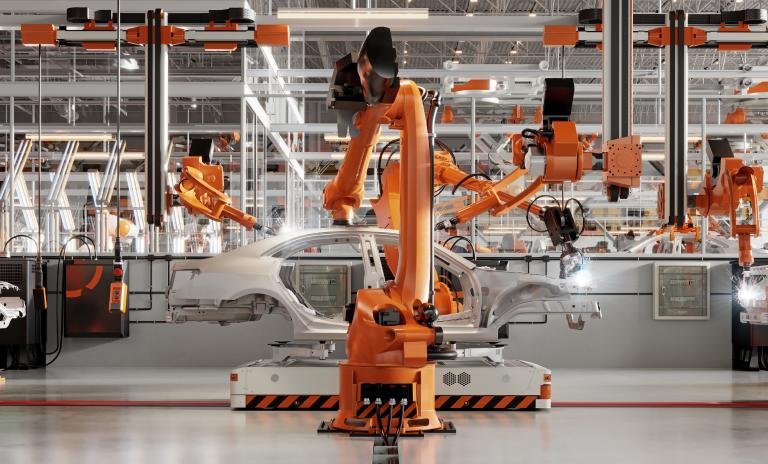
Lean manufacturing is a proven approach that helps organizations eliminate waste, improve efficiency, and deliver more value to customers. By following a structured process, companies can transform their operations and achieve sustainable improvements. This guide provides a clear, actionable roadmap for introducing lean principles into your production environment, ensuring that each phase is manageable and results-driven.
Whether you are new to lean or seeking to refine your existing processes, understanding the essential steps and best practices is crucial. Adopting a systematic approach not only streamlines workflows but also fosters a culture of continuous improvement. For those interested in scaling their operations, you may also find value in learning how to improve production scalability within your organization.
Understanding Lean Principles and Their Benefits
Before diving into the process, it’s important to grasp the core principles that underpin lean manufacturing. These principles include:
- Value: Define what is valuable from the customer’s perspective.
- Value Stream: Map all steps in the process to identify and eliminate waste.
- Flow: Ensure that production steps move smoothly without interruptions.
- Pull: Produce only what is needed, when it’s needed.
- Perfection: Continuously seek ways to improve every process.
By focusing on these foundational concepts, organizations can create more efficient workflows, reduce costs, and enhance product quality. The benefits extend beyond the shop floor, impacting customer satisfaction and overall business performance.
Step 1: Assess Current State and Set Clear Objectives
The journey toward lean transformation begins with a thorough assessment of your current processes. Gather data on production times, inventory levels, defect rates, and other key performance indicators. Involve cross-functional teams to gain a comprehensive view of your operations.
Once you have a clear understanding of the existing state, set specific, measurable goals for your lean initiative. Objectives might include reducing lead times, minimizing defects, or increasing throughput. Establishing clear targets ensures that everyone is aligned and progress can be tracked effectively.
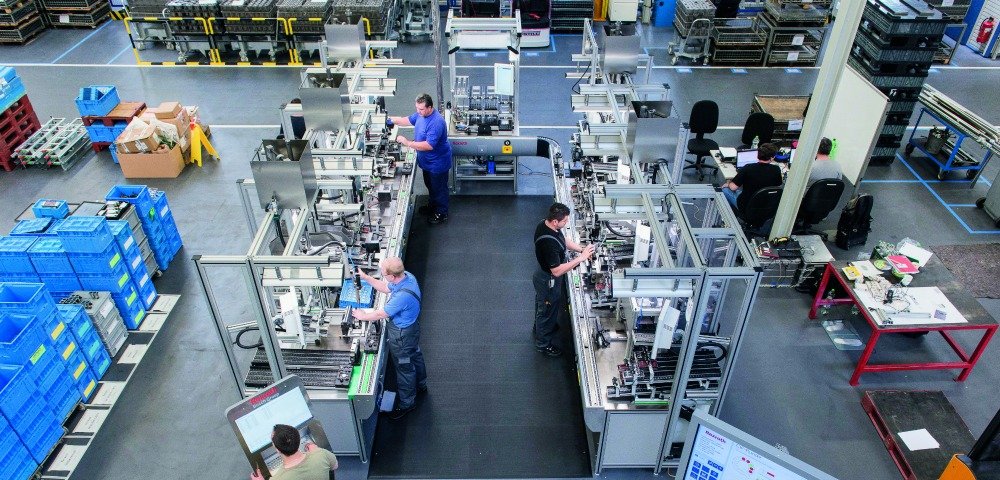
Step 2: Map the Value Stream
Value stream mapping is a critical step in the lean journey. This process involves documenting every action required to bring a product from raw material to finished good. By visualizing the entire workflow, you can pinpoint areas of waste, such as excess inventory, unnecessary motion, or waiting times.
Engage your team in creating a value stream map, ensuring all perspectives are represented. This collaborative approach not only uncovers hidden inefficiencies but also builds buy-in for future changes. Once the map is complete, prioritize areas with the greatest potential for improvement.
Step 3: Eliminate Waste and Optimize Processes
After identifying sources of waste, the next step is to implement targeted improvements. Lean manufacturing recognizes several types of waste, including overproduction, defects, excess inventory, unnecessary transportation, and more. Use tools such as 5S, Kaizen, and standardized work instructions to address these issues.
For example, applying the 5S methodology—Sort, Set in order, Shine, Standardize, Sustain—can dramatically improve workplace organization and efficiency. Regular Kaizen events encourage small, incremental changes that add up to significant long-term gains. Standardized work ensures consistency and helps maintain improvements over time.
If you’re interested in further reducing errors and ensuring quality, explore mistake proofing techniques like Poka Yoke for practical solutions.
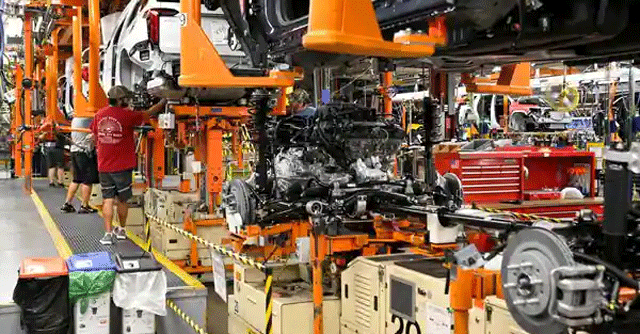
Step 4: Establish Pull Systems and Improve Flow
A key aspect of lean is shifting from push-based production to a pull system. In a pull system, work is triggered by actual demand rather than forecasts, reducing overproduction and excess inventory. Techniques such as Kanban boards help visualize work in progress and signal when new tasks should begin.
Improving flow involves minimizing bottlenecks and ensuring that materials and information move smoothly through each stage. Analyze your process for delays or interruptions, and implement solutions such as cellular manufacturing or line balancing to optimize throughput.
Step 5: Foster a Culture of Continuous Improvement
Sustainable lean transformation requires ongoing commitment from all levels of the organization. Encourage employees to identify opportunities for improvement and empower them to take action. Regular training, open communication, and recognition of achievements help reinforce a culture where continuous improvement is the norm.
Leadership plays a crucial role in modeling lean behaviors and supporting teams as they experiment with new ideas. Establish regular review meetings to assess progress, share lessons learned, and adjust strategies as needed.
Step 6: Monitor, Measure, and Sustain Results
To ensure lasting success, it’s essential to track key performance indicators and evaluate the impact of your lean initiatives. Use dashboards and regular audits to monitor progress toward your goals. Celebrate milestones and address setbacks promptly to maintain momentum.
Over time, revisit your value stream maps and objectives to identify new areas for improvement. Lean is not a one-time project but an ongoing journey toward operational excellence.
For more strategies on enhancing efficiency and sustainability, you might be interested in approaches to improve factory sustainability and efficiency.
Best Practices for Lean Implementation
- Engage Leadership: Secure commitment from top management to drive change.
- Involve Employees: Encourage participation and input from all team members.
- Start Small: Pilot lean techniques in a single area before scaling up.
- Communicate Clearly: Keep everyone informed about goals, progress, and challenges.
- Leverage Technology: Use digital tools to monitor performance and support lean activities.
For additional insights on optimizing production, consider reading about ways to improve production line efficiency and how these methods complement lean practices.
Common Challenges and How to Overcome Them
Implementing lean methods can present several obstacles, such as resistance to change, lack of resources, or insufficient training. Address these challenges by:
- Providing ongoing education and support for employees.
- Setting realistic expectations and celebrating small wins.
- Allocating resources and time for improvement initiatives.
- Maintaining transparent communication throughout the process.
Remember, persistence and adaptability are key to overcoming setbacks and achieving lasting results.
FAQ
What are the main steps to introduce lean manufacturing in a factory?
The main steps include assessing current processes, mapping the value stream, eliminating waste, establishing pull systems, fostering continuous improvement, and monitoring results. Each phase builds on the previous one to create a more efficient and responsive production environment.
How long does it take to see results from lean initiatives?
The timeline varies depending on the scope and complexity of your operations. Some improvements, such as workplace organization, can yield quick wins within weeks. More comprehensive changes, like shifting to pull systems, may take several months to fully implement and realize benefits.
What tools are commonly used in lean manufacturing?
Common tools include 5S for workplace organization, value stream mapping for process analysis, Kanban for workflow management, and Kaizen for continuous improvement. These tools help teams identify inefficiencies and implement practical solutions.