
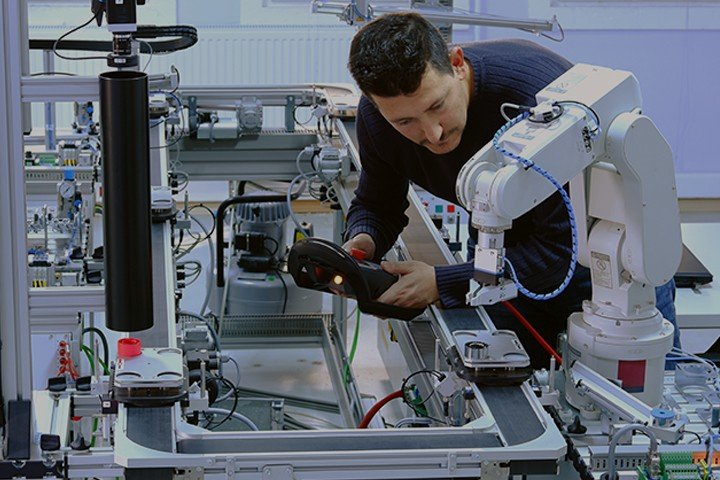
As global industries face increasing pressure to reduce environmental impact and optimize operations, factory sustainability and efficiency have become central concerns for manufacturers of all sizes. Adopting sustainable practices not only benefits the environment but also leads to cost savings, improved productivity, and a stronger reputation with customers and partners. This guide explores proven strategies and actionable steps to help manufacturing facilities become more resource-efficient and environmentally responsible.
From integrating smart technologies to rethinking energy usage and waste management, there are numerous ways to make production lines greener and more effective. For those interested in related topics, understanding the role of ergonomics in manufacturing efficiency can further enhance workplace safety and productivity.
Key Principles for Sustainable and Efficient Manufacturing
Improving the sustainability and efficiency of a factory requires a holistic approach. It’s not just about reducing energy consumption or minimizing waste—it’s about rethinking every aspect of the production process. The following principles form the foundation for a more sustainable and productive facility:
- Resource Optimization: Use materials, water, and energy more efficiently to lower costs and environmental impact.
- Process Innovation: Implement new technologies and methods that streamline operations and reduce waste.
- Employee Engagement: Foster a culture of continuous improvement where workers are empowered to suggest and implement sustainable changes.
- Lifecycle Thinking: Consider the environmental impact of products from raw material sourcing to end-of-life disposal or recycling.
Integrating Smart Technology for Greener Operations
One of the most effective ways to boost both factory sustainability and efficiency is through the adoption of smart manufacturing technologies. The Industrial Internet of Things (IIoT), automation, and data analytics can provide real-time insights, enabling better decision-making and rapid response to inefficiencies.
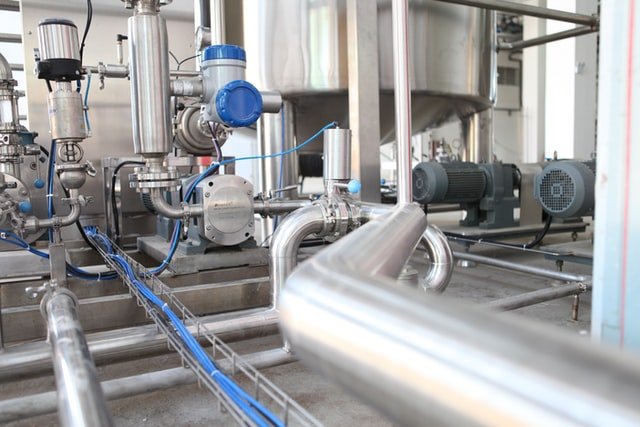
Benefits of Digital Transformation
- Energy Monitoring: Smart meters and sensors track energy use, identifying areas for savings.
- Predictive Maintenance: Sensors detect equipment issues before breakdowns occur, reducing downtime and resource waste.
- Automated Controls: Automated systems adjust lighting, heating, and machinery operation based on real-time needs, minimizing unnecessary consumption.
- Data-Driven Decisions: Analytics platforms help managers spot trends and optimize production schedules for maximum efficiency.
For a deeper dive into how digital tools can streamline production, consider exploring practical ways to enhance manufacturing efficiency using data.
Reducing Waste and Emissions in Manufacturing
Minimizing waste and emissions is a core component of sustainable manufacturing. By focusing on lean production methods and circular economy principles, factories can significantly cut their environmental footprint while also saving money.
- Lean Manufacturing: Identify and eliminate non-value-adding activities to reduce material waste and unnecessary energy use.
- Recycling and Reuse: Set up systems to recycle scrap materials and reuse byproducts within the facility.
- Emission Controls: Invest in equipment upgrades and filtration systems to limit air and water pollution.
- Supplier Collaboration: Work with suppliers who prioritize sustainable practices and offer eco-friendly materials.
Optimizing Energy Consumption for a Smaller Footprint
Energy use is often the largest contributor to a factory’s environmental impact. By implementing targeted strategies, manufacturers can reduce consumption and transition to cleaner sources.
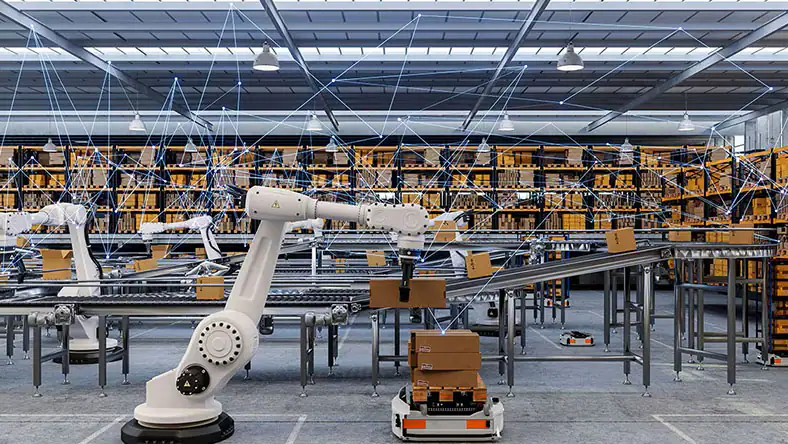
Energy-Saving Initiatives
- LED Lighting: Replace traditional bulbs with energy-efficient LEDs throughout the facility.
- Variable Speed Drives: Install drives on motors and pumps to adjust speed based on demand, reducing unnecessary energy use.
- Heat Recovery: Capture and reuse waste heat from processes or equipment for space heating or pre-heating materials.
- Renewable Energy: Explore solar panels, wind turbines, or green energy contracts to further reduce carbon emissions.
Engaging Employees in Sustainable Practices
The success of any sustainability initiative depends on the people who implement it. Engaged employees are more likely to identify inefficiencies, suggest improvements, and ensure that new processes are followed consistently.
- Training Programs: Educate staff on sustainability goals and best practices for resource conservation.
- Incentive Systems: Reward teams or individuals who contribute innovative ideas or achieve measurable improvements.
- Open Communication: Encourage feedback and create channels for employees to report issues or propose solutions.
For additional strategies on fostering a safer and more efficient workplace, see our article on how to improve production safety and efficiency.
Continuous Improvement and Measuring Progress
Sustainability and efficiency are ongoing journeys. Regularly reviewing performance, setting clear targets, and adapting to new technologies or regulations are essential for long-term success.
- Key Performance Indicators (KPIs): Track metrics such as energy use per unit, waste generation, and production output to measure progress.
- Audits and Assessments: Conduct periodic reviews to identify new opportunities for improvement and ensure compliance with standards.
- Benchmarking: Compare your facility’s performance with industry peers to set realistic goals and learn from best practices.
Frequently Asked Questions
What are the first steps to make a factory more sustainable?
Begin by assessing current resource usage and identifying areas with the highest environmental impact. Set achievable goals, such as reducing energy consumption or waste, and involve employees in brainstorming solutions. Implementing small changes, like switching to LED lighting or improving recycling programs, can deliver quick wins and build momentum for larger initiatives.
How can technology help increase manufacturing efficiency?
Technologies like IIoT sensors, automation, and data analytics provide real-time insights into equipment performance and resource usage. These tools help managers detect inefficiencies, prevent breakdowns, and optimize production schedules, leading to reduced downtime and lower operational costs.
Why is employee engagement important for sustainability?
Employees are often the first to spot inefficiencies or opportunities for improvement on the factory floor. Engaged workers are more likely to follow new processes, suggest innovative ideas, and help create a culture of continuous improvement, all of which are essential for achieving long-term sustainability and efficiency goals.