
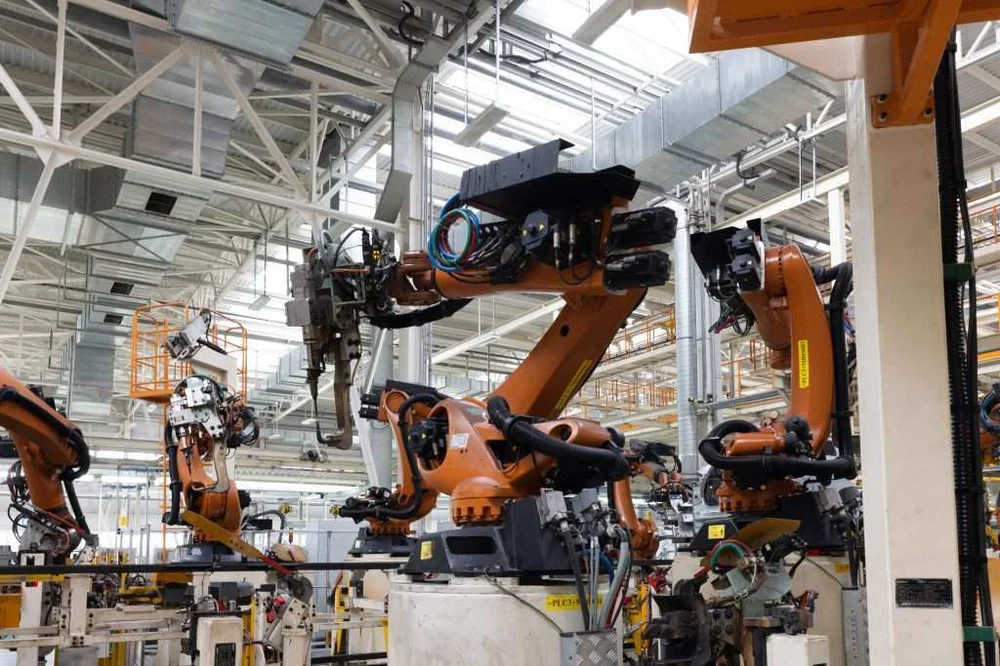
In manufacturing and logistics, material handling efficiency directly impacts productivity, costs, and workplace safety. Streamlining the movement, storage, and control of materials can help organizations reduce waste, minimize downtime, and boost overall output. Whether you operate a small warehouse or a large-scale production facility, understanding the best practices for optimizing these processes is essential for staying competitive.
This article explores proven strategies, tools, and technologies that can help you make significant improvements in your facility’s material flow. For additional insights on related topics, you may also find value in our warehouse efficiency tips for manufacturing.
Key Principles for Streamlining Material Movement
To achieve better results in material handling, it’s important to focus on the fundamentals. Efficient systems are built on a foundation of organization, standardization, and continuous improvement. Here are several core principles that can help guide your efforts:
- Minimize unnecessary movement: Design workflows to reduce the distance materials need to travel.
- Standardize processes: Use clear procedures and consistent methods to reduce confusion and errors.
- Leverage automation: Implement technology where appropriate to handle repetitive or heavy tasks.
- Prioritize safety: Ensure that all changes enhance, rather than compromise, workplace safety.
- Monitor and measure: Track key performance indicators (KPIs) to identify areas for improvement.
Assessing Current Material Handling Practices
Before making changes, it’s crucial to evaluate your existing systems. Start by mapping out your current workflows, from receiving and storage to picking, packing, and shipping. Look for bottlenecks, redundant steps, and areas where materials are handled more than necessary.
Gathering feedback from employees who interact with materials daily can reveal practical issues and opportunities for improvement. Consider using time studies, flowcharts, or digital tools to visualize and analyze your processes.
Implementing Technology to Enhance Material Flow
Modern manufacturing and warehousing operations increasingly rely on technology to boost efficiency. Automated guided vehicles (AGVs), conveyor systems, and warehouse management software (WMS) can all play a role in optimizing material transport and storage.
- Warehouse management systems help track inventory, optimize picking routes, and reduce manual errors.
- Automated storage and retrieval systems (AS/RS) can speed up the movement of goods and reduce labor requirements.
- Barcoding and RFID technologies improve inventory accuracy and enable real-time tracking.
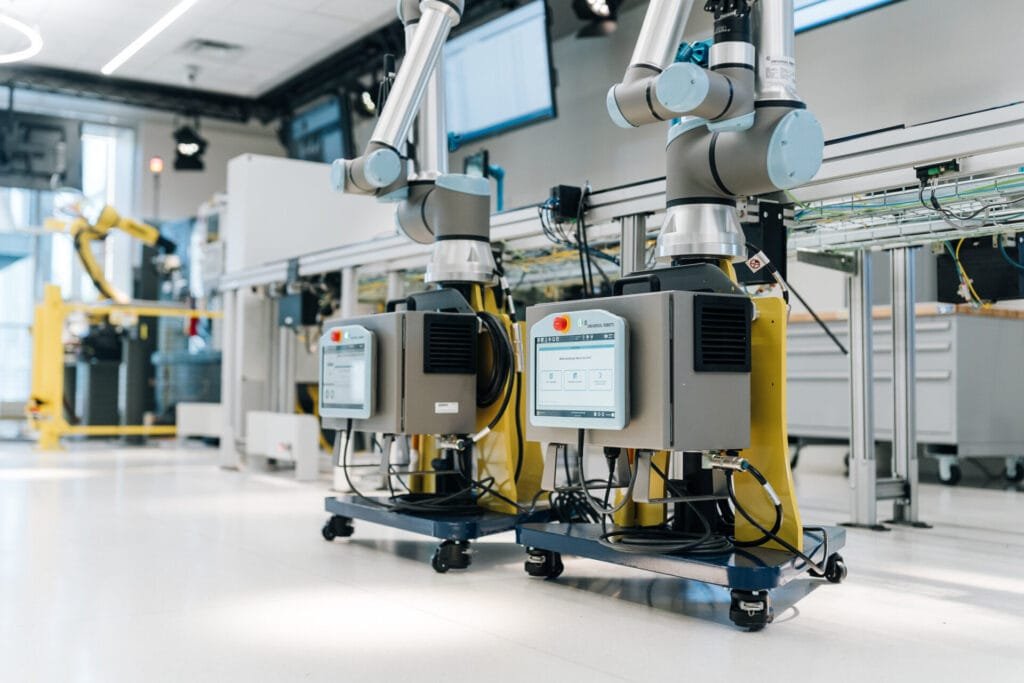
- Collaborative robots (cobots) can assist workers with repetitive or ergonomically challenging tasks.
Integrating these solutions can lead to significant gains in productivity and accuracy, while also helping to reduce workplace injuries.
Layout Optimization and Facility Design
The physical arrangement of your facility plays a major role in how efficiently materials are handled. Poorly designed layouts can cause congestion, increase travel distances, and slow down operations.
To maximize efficiency, consider the following layout strategies:
- Organize storage areas so that high-turnover items are easily accessible and close to shipping or production zones.
- Design clear pathways for equipment and personnel to minimize cross-traffic and delays.
- Use vertical space with shelving or mezzanines to make the most of your facility’s footprint.
- Regularly review and adjust the layout as your product mix or volume changes.
Training and Employee Engagement for Better Results
Even the best systems and technologies require skilled, engaged employees to function optimally. Regular training ensures that staff understand the latest procedures, safety protocols, and how to use new equipment.
Encourage a culture of continuous improvement by involving employees in problem-solving and process optimization. Workers who feel empowered to suggest changes are more likely to spot inefficiencies and help implement effective solutions.
Continuous Improvement and Data-Driven Decisions
Sustained gains in material handling depend on ongoing evaluation and adaptation. Use KPIs such as throughput, order accuracy, and average handling time to measure progress. Regular audits and feedback loops can help you identify new areas for enhancement.
For organizations looking to stay ahead, embracing digital tools and analytics can provide a competitive edge. If you’re interested in leveraging technology further, our guide on digital transformation in manufacturing efficiency offers additional strategies.
Integrating Lean Manufacturing Techniques
Lean principles are widely used to eliminate waste and improve efficiency in material handling. Techniques such as 5S (Sort, Set in order, Shine, Standardize, Sustain), value stream mapping, and just-in-time (JIT) inventory management help streamline operations and reduce unnecessary steps.
Implementing lean methods can also enhance flexibility, allowing your facility to adapt quickly to changes in demand or product mix. For more actionable ideas, you might find this list of strategies to improve production efficiency helpful.
FAQ: Material Handling Efficiency
What are the most common causes of inefficiency in material handling?
Inefficiency often results from poor facility layout, lack of standardized processes, outdated equipment, and insufficient employee training. Bottlenecks, excessive manual handling, and inadequate tracking systems can also contribute to delays and errors.
How can automation improve material handling operations?
Automation reduces manual labor, increases speed, and improves accuracy in moving and storing materials. Technologies like conveyor systems, AGVs, and WMS can help streamline workflows and minimize human error, leading to higher productivity and lower costs.
Why is employee involvement important in optimizing material handling?
Employees are often the first to notice inefficiencies or safety risks. Involving them in process improvement initiatives encourages buy-in, fosters a culture of continuous improvement, and can lead to practical solutions that management might overlook.
By applying these best practices and staying committed to ongoing improvement, organizations can achieve significant gains in material handling performance. For more advanced tactics, see our resource on smart manufacturing efficiency tips.