
Enhancing operational efficiency in manufacturing environments is a top priority for plant managers and business leaders. With increasing competition, rising costs, and evolving customer expectations, factories must continually refine their processes to stay ahead. Streamlining workflows, reducing waste, and leveraging technology are essential steps to achieve better productivity and profitability.
This guide explores proven strategies to boost efficiency on the factory floor, from adopting new technologies to optimizing workforce performance. By understanding the key drivers of productivity and implementing targeted improvements, manufacturers can realize significant gains in output and quality.

One effective way to enhance factory operations is by integrating digital solutions such as augmented reality in quality audits. These tools provide real-time insights and help teams identify inefficiencies quickly, supporting a culture of continuous improvement.
Key Principles for Boosting Factory Productivity
Improving efficiency starts with a clear understanding of current processes and identifying areas for enhancement. Here are several foundational principles that drive success in manufacturing environments:
- Standardization: Establishing standardized work procedures minimizes variation and errors, making it easier to train staff and maintain consistent quality.
- Continuous Improvement: Adopting methodologies like Lean and Six Sigma encourages ongoing evaluation and refinement of processes.
- Data-Driven Decisions: Using accurate, real-time data enables managers to make informed choices, quickly address issues, and monitor progress.
- Employee Engagement: Empowering workers to contribute ideas and take ownership of their tasks fosters a proactive and motivated workforce.
Leveraging Technology to Enhance Manufacturing Efficiency
The adoption of digital tools and automation has transformed how factories operate. Integrating smart technologies can significantly reduce downtime, improve quality, and optimize resource use.
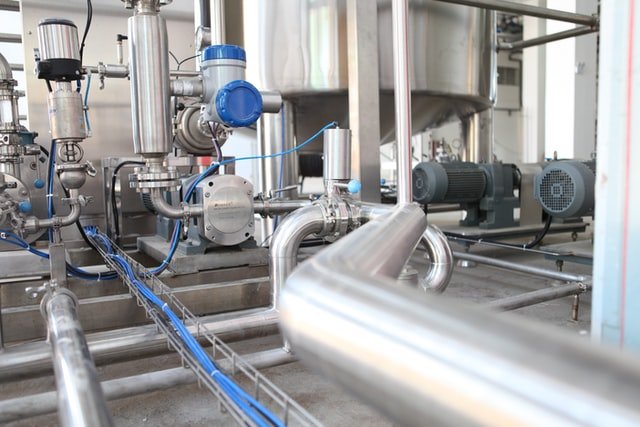
Some of the most impactful technological advancements include:
- Industrial Internet of Things (IIoT): Connected sensors and devices collect data from machines, enabling predictive maintenance and real-time monitoring.
- Automation and Robotics: Automating repetitive tasks increases speed and accuracy while freeing up workers for higher-value activities.
- Advanced Analytics: Data analytics platforms help identify bottlenecks, forecast demand, and optimize scheduling.
- Artificial Intelligence (AI): AI-powered solutions can detect anomalies, predict equipment failures, and recommend process improvements.
For example, using wearable AI for manual inspection support allows staff to access instant feedback and guidance, reducing errors and improving inspection accuracy.
Optimizing Processes for Greater Output
Process optimization is at the heart of any effort to raise operational efficiency. By mapping out workflows and identifying inefficiencies, factories can implement targeted changes that yield measurable results.
- Value Stream Mapping: This technique visualizes every step in the production process, highlighting non-value-added activities that can be eliminated or improved.
- Reducing Changeover Times: Streamlining equipment setup and changeovers minimizes downtime and increases flexibility in production scheduling.
- Inventory Management: Maintaining optimal inventory levels reduces carrying costs and prevents stockouts or overproduction.
- Quality Control: Implementing robust quality checks at each stage of production helps catch defects early and reduces rework.
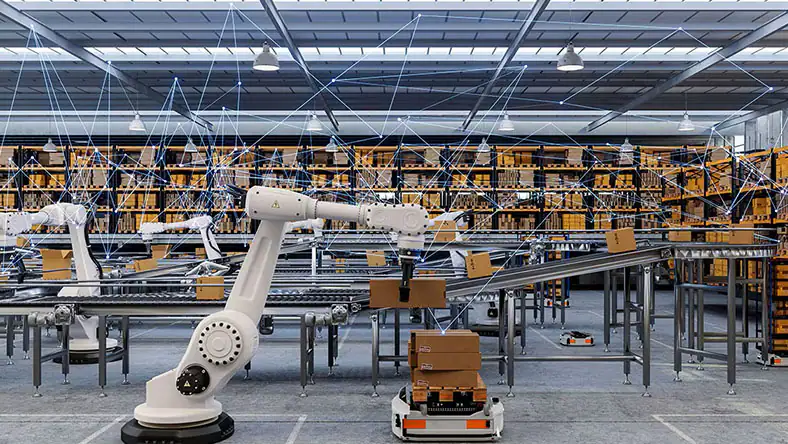
Adopting these process improvements not only increases throughput but also supports a culture of operational excellence.
Workforce Development and Engagement
A skilled and engaged workforce is essential for achieving high levels of efficiency. Investing in employee training, clear communication, and recognition programs can have a significant impact on productivity.
- Training and Upskilling: Providing regular training ensures that employees are proficient with new technologies and best practices.
- Cross-Functional Teams: Encouraging collaboration across departments leads to better problem-solving and innovation.
- Performance Metrics: Tracking key performance indicators (KPIs) helps workers understand goals and measure progress.
- Feedback and Recognition: Regular feedback and acknowledgment of achievements boost morale and motivation.
Engaged employees are more likely to identify and resolve inefficiencies, contributing directly to improved factory performance.
Monitoring and Maintaining Improvements
Sustaining gains in productivity requires ongoing monitoring and adjustment. Factories should establish systems for tracking progress and responding to changes in demand or technology.
- Regular Audits: Conducting periodic reviews of processes and equipment ensures that improvements are maintained over time.
- Continuous Feedback Loops: Gathering input from staff and analyzing performance data enables quick responses to emerging issues.
- Technology Updates: Staying current with the latest tools and software helps maintain a competitive edge.
For advanced monitoring, techniques such as monitoring AI model drift in factories can help maintain the accuracy and effectiveness of AI-driven processes.
Best Practices from Industry Leaders
Learning from top-performing manufacturers can provide valuable insights into what works. Some best practices include:
- Adopting Lean Manufacturing: Eliminating waste and focusing on value-added activities are core principles of Lean that drive efficiency.
- Investing in Smart Factories: Digital transformation initiatives, such as implementing IIoT and AI, are central to modern manufacturing success.
- Fostering a Culture of Innovation: Encouraging experimentation and embracing new ideas keeps operations agile and responsive.
For more detailed insights, explore this comprehensive guide to improving manufacturing efficiency that covers additional strategies and case studies.
FAQ
What are the most effective ways to reduce downtime in factories?
Reducing downtime involves a combination of preventive maintenance, real-time monitoring, and efficient scheduling. Implementing IIoT sensors to predict equipment failures, training staff for quick changeovers, and maintaining a well-organized spare parts inventory are all proven methods to minimize unplanned stoppages.
How can data analytics help increase operational efficiency?
Data analytics platforms collect and analyze information from machines, production lines, and supply chains. By identifying trends, bottlenecks, and anomalies, managers can make informed decisions that optimize scheduling, reduce waste, and improve overall productivity.
Why is employee engagement important for factory efficiency?
Engaged employees are more likely to take initiative, suggest improvements, and maintain high standards of quality. Providing training, recognizing achievements, and involving workers in problem-solving fosters a sense of ownership and drives better performance across the factory.