

Achieving consistent quality and efficiency in manufacturing relies heavily on the ability to standardize processes. When every step of production follows clear, repeatable procedures, organizations can reduce errors, minimize waste, and boost productivity. However, many manufacturers struggle to maintain uniformity across teams, shifts, and locations, especially as operations scale or adapt to new technologies.
This guide explores practical strategies for how to improve process standardization in manufacturing environments. By adopting proven methods and leveraging the right tools, companies can create a foundation for sustainable growth and continuous improvement. For those also interested in minimizing waste, see our detailed advice on how to reduce production waste for further insights.
Understanding the Value of Standardized Processes
Standardization in manufacturing means defining and documenting the best way to perform each task, then ensuring everyone follows those methods. This approach brings several advantages:
- Consistent product quality across batches and shifts
- Reduced training time for new employees
- Lower risk of defects and rework
- Improved safety and compliance
- Streamlined troubleshooting and process improvement
Without clear standards, even small variations in how work is performed can lead to unpredictable results, increased costs, and customer dissatisfaction.

Key Steps to Enhance Process Standardization
Improving standardization is not a one-time event but an ongoing effort. Here are the essential actions manufacturers should take:
1. Map and Analyze Existing Workflows
Start by documenting current processes in detail. Use flowcharts, diagrams, or digital tools to capture each step, decision point, and handoff. Involve frontline operators and supervisors to ensure accuracy and uncover hidden variations.
Once mapped, analyze these workflows to identify bottlenecks, redundancies, or inconsistencies. This baseline assessment is critical for determining where improvements are needed.
2. Define and Document Best Practices
Collaborate with experienced team members to establish the most efficient and reliable way to perform each task. Document these procedures in clear, accessible formats—such as standard operating procedures (SOPs), checklists, or digital work instructions.
Make sure documentation is easy to understand and available at the point of use. Visual aids, such as photos or diagrams, can help reinforce correct methods.
3. Train and Engage Employees
Effective standardization depends on employee buy-in. Provide thorough training on new procedures and explain the reasons behind each change. Encourage questions and feedback to address concerns and improve clarity.
Recognize that frontline workers often have valuable insights into what works best. Involving them in the creation and refinement of standards increases ownership and compliance.
4. Monitor Compliance and Performance
Use regular audits, observations, or digital monitoring systems to ensure standards are being followed. Collect data on key metrics—such as cycle time, defect rates, or downtime—to measure the impact of standardization efforts.
When deviations occur, investigate the root causes. Sometimes, non-compliance signals that a standard needs to be updated or clarified.
5. Foster a Culture of Continuous Improvement
Standardization should not stifle innovation. Encourage employees to suggest improvements and test new ideas in a controlled way. When a better method is found, update the standard and retrain staff.
This cycle of setting, following, and refining standards is at the heart of lean manufacturing and operational excellence.
Leveraging Technology to Support Standardization
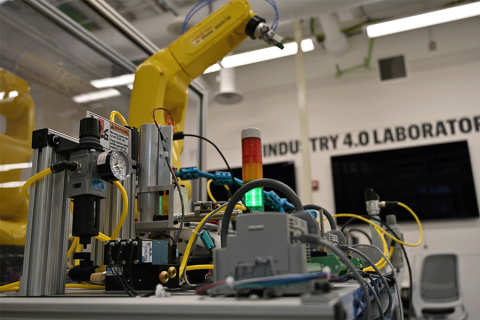
Modern manufacturing increasingly relies on digital tools to support process consistency. Solutions such as Manufacturing Execution Systems (MES), digital work instructions, and real-time data collection platforms can help enforce standards and provide immediate feedback.
For example, digital SOPs can be updated instantly and distributed across multiple sites, ensuring everyone is working from the latest version. Automated alerts can notify supervisors when deviations occur, allowing for quick intervention.
Integrating these technologies also supports broader goals like how to improve production efficiency and traceability, which are increasingly important in regulated industries.
Overcoming Common Challenges in Process Standardization
While the benefits are clear, manufacturers often encounter obstacles when trying to standardize operations:
- Resistance to change: Employees may be attached to old habits or skeptical of new procedures.
- Complexity of operations: Highly customized or variable products can make it difficult to create one-size-fits-all standards.
- Poor communication: If standards are not clearly communicated or accessible, compliance will suffer.
- Lack of follow-up: Without ongoing monitoring and support, even well-designed standards can fall by the wayside.
Addressing these challenges requires strong leadership, open communication, and a commitment to continuous learning.
Measuring the Impact of Standardization Efforts
To ensure that process improvements deliver real value, manufacturers should track key performance indicators (KPIs) such as:
- First-pass yield and defect rates
- Production cycle times
- Employee training time and onboarding success
- Customer complaints or returns
- Overall equipment effectiveness (OEE)
Regularly reviewing these metrics helps organizations identify areas for further improvement and demonstrate the tangible benefits of standardization.
Best Practices for Sustaining Standardized Processes
To maintain gains over time, manufacturers should:
- Schedule periodic reviews of all SOPs and work instructions
- Provide refresher training and onboarding for new hires
- Encourage feedback and suggestions from all levels of staff
- Recognize and reward teams that consistently follow and improve standards
- Leverage digital tools to automate updates and track compliance
For more comprehensive strategies, consider exploring production efficiency best practices that complement process standardization efforts.
Additional Resources and Industry Insights
Manufacturers looking to further enhance their operations can benefit from external perspectives and case studies. For a deeper dive into how leading companies are boosting productivity through process improvements, review this expert guide to improving production efficiency.
Real-world examples and success stories can also help teams visualize the benefits of standardization and inspire new initiatives.
Frequently Asked Questions
What is process standardization in manufacturing?
Process standardization refers to the practice of defining, documenting, and consistently applying the best way to perform each task in a manufacturing environment. This ensures uniformity, reduces errors, and improves overall efficiency.
How can manufacturers ensure employees follow standardized procedures?
Success depends on clear documentation, thorough training, and ongoing monitoring. Engaging employees in the creation and refinement of standards, providing accessible work instructions, and using digital tools for compliance tracking all help reinforce correct practices.
What role does technology play in improving process consistency?
Technology enables real-time monitoring, instant updates to procedures, and automated alerts for deviations. Digital platforms make it easier to distribute standards, collect data, and support continuous improvement across multiple locations.