

As businesses grow, the ability to scale production efficiently becomes a critical factor in meeting market demand and sustaining profitability. Enhancing scalability means ensuring your manufacturing processes, resources, and systems can adapt to increased output without sacrificing quality or efficiency. This article explores practical strategies for expanding your production capacity, minimizing bottlenecks, and leveraging technology to support sustainable growth.
Whether you operate a small workshop or a large industrial facility, understanding the principles of scalable production can help you stay competitive. We’ll cover proven methods, from process optimization to automation, that enable organizations to respond quickly to changing requirements and customer needs. For additional insights on boosting operational efficiency while maintaining environmental responsibility, you may find how to improve factory sustainability and efficiency especially relevant.
Understanding the Foundations of Scalable Production
At its core, production scalability refers to the ability of a manufacturing system to increase output efficiently as demand rises. This involves more than just adding machines or labor; it requires a holistic approach that considers workflow, resource allocation, technology integration, and quality control. Companies that prioritize scalability can adapt swiftly to market shifts, reduce operational costs, and maintain consistent product standards.
Key elements of scalable production include:
- Flexible processes that can be adjusted as volume changes
- Standardized procedures for repeatability and quality
- Robust supply chain management
- Investment in automation and digital tools
- Continuous workforce training and development
Optimizing Processes for Greater Output
Streamlining workflows is essential for expanding manufacturing capacity. Begin by mapping out each step in your current process to identify inefficiencies, redundancies, or bottlenecks. Lean manufacturing techniques, such as value stream mapping and 5S, can help eliminate waste and improve flow.
Consider these process optimization strategies:
- Implement standardized work instructions to minimize variation
- Use real-time data collection to monitor performance and quickly address issues
- Adopt mistake-proofing methods (poka-yoke) to reduce errors and rework
- Balance production lines to ensure resources are used efficiently
For a deeper dive into error reduction and process reliability, explore mistake proofing techniques poka yoke and how to reduce production errors.

Leveraging Automation and Smart Technologies
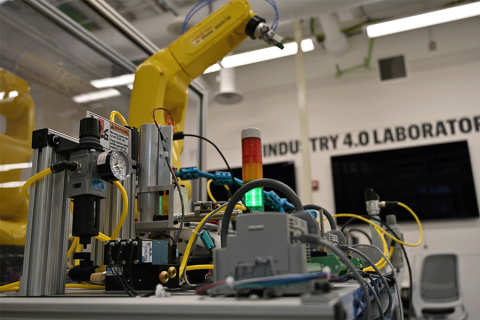
One of the most effective ways to expand production capacity is by integrating automation and digital solutions. Automated systems can handle repetitive tasks with high precision, freeing up human workers for more complex activities. Technologies such as robotics, IoT sensors, and manufacturing execution systems (MES) provide real-time visibility into operations and enable rapid adjustments as demand fluctuates.
Benefits of automation in scaling production include:
- Consistent product quality and reduced human error
- Faster cycle times and increased throughput
- Lower labor costs and improved safety
- Scalable infrastructure that grows with your business
Investing in smart manufacturing tools also supports predictive maintenance, minimizing downtime and ensuring equipment is always ready to meet higher output requirements.
Building a Flexible Workforce for Scalable Operations
As production demands change, having a workforce that can adapt is crucial. Cross-training employees allows for greater flexibility in staffing and helps prevent slowdowns when demand spikes or when certain skills are needed. Regular training on new equipment and processes ensures your team can operate efficiently as technology evolves.
Additionally, fostering a culture of continuous improvement encourages workers to identify and suggest ways to enhance productivity. Employee engagement and well-being also play a significant role; ergonomic workplace design, as discussed in ergonomics in manufacturing efficiency, can reduce fatigue and boost output.
Supply Chain and Resource Management for Growth
Scaling production is not just about what happens inside the factory. Reliable suppliers, efficient logistics, and effective inventory management are all essential for supporting increased output. Establish strong relationships with vendors and consider multiple sourcing options to reduce risk. Implement just-in-time (JIT) inventory practices to minimize excess stock while ensuring materials are available when needed.
Digital supply chain management tools can provide real-time tracking and analytics, helping you anticipate disruptions and respond proactively. For more on managing variability and maintaining steady production, see how to manage production variability.
Measuring and Sustaining Improvements in Capacity
To ensure that your efforts to boost scalability are effective, establish clear metrics and regularly review performance. Key performance indicators (KPIs) such as throughput, cycle time, defect rates, and equipment utilization provide valuable insights into where further improvements can be made.
Continuous monitoring and feedback loops allow for rapid identification of issues and support ongoing optimization. Benchmark your results against industry standards and set realistic targets for future growth.
Best Practices and Resources for Expanding Production
Adopting industry best practices is essential for organizations aiming to grow their manufacturing capabilities. Regularly review your processes, invest in employee development, and stay informed about emerging technologies. For additional strategies on increasing efficiency, this guide to improving production efficiency offers practical tips and case studies.
FAQ: Common Questions About Scaling Manufacturing Operations
What are the main challenges in scaling up production?
The biggest hurdles include managing increased complexity, maintaining product quality, ensuring a reliable supply of materials, and adapting workforce skills. Addressing these challenges requires careful planning, investment in technology, and a commitment to continuous improvement.
How can automation help with scalable manufacturing?
Automation streamlines repetitive tasks, reduces human error, and enables higher throughput. It also provides real-time data for better decision-making and allows facilities to quickly adapt to changing production volumes with minimal disruption.
How do I know if my production system is scalable?
A scalable system can increase output without significant increases in cost or decreases in quality. Signs of scalability include flexible processes, robust supply chain management, and the ability to integrate new technologies smoothly. Regularly tracking KPIs and benchmarking against industry standards can help assess scalability.