
Efficient production scheduling is a cornerstone of successful manufacturing operations. When production schedules are optimized, companies experience smoother workflows, reduced downtime, and improved resource utilization. However, many organizations still struggle with bottlenecks, unexpected delays, and suboptimal output due to outdated scheduling practices or lack of real-time visibility. Understanding how to improve production scheduling can lead to significant gains in productivity, cost savings, and customer satisfaction.
This article explores proven strategies, digital tools, and best practices to streamline scheduling processes. By adopting a systematic approach and leveraging modern technology, manufacturers can overcome common challenges and unlock greater operational efficiency. For those interested in the intersection of technology and quality control, exploring advancements like augmented reality in quality audits can further enhance production outcomes.
Understanding the Challenges in Production Scheduling
Manufacturing environments are complex, with numerous variables influencing the scheduling process. Factors such as machine availability, workforce shifts, supply chain disruptions, and last-minute order changes can all disrupt even the most carefully crafted plans. Common obstacles include:
- Unpredictable machine breakdowns leading to unplanned downtime
- Material shortages or late deliveries
- Inaccurate demand forecasting
- Manual scheduling errors
- Limited visibility into real-time shop floor data
Addressing these challenges requires a blend of process optimization, digital transformation, and cultural change within the organization.
Key Strategies for Enhancing Production Scheduling
Improving scheduling efficiency involves more than just updating a calendar. It requires a holistic approach that considers people, processes, and technology. Here are several actionable strategies:
1. Embrace Digital Scheduling Tools
Manual spreadsheets and paper-based systems are prone to errors and lack scalability. Modern scheduling software offers real-time visibility, automated alerts, and data-driven decision-making. These platforms can integrate with ERP and MES systems, enabling dynamic adjustments as conditions change.
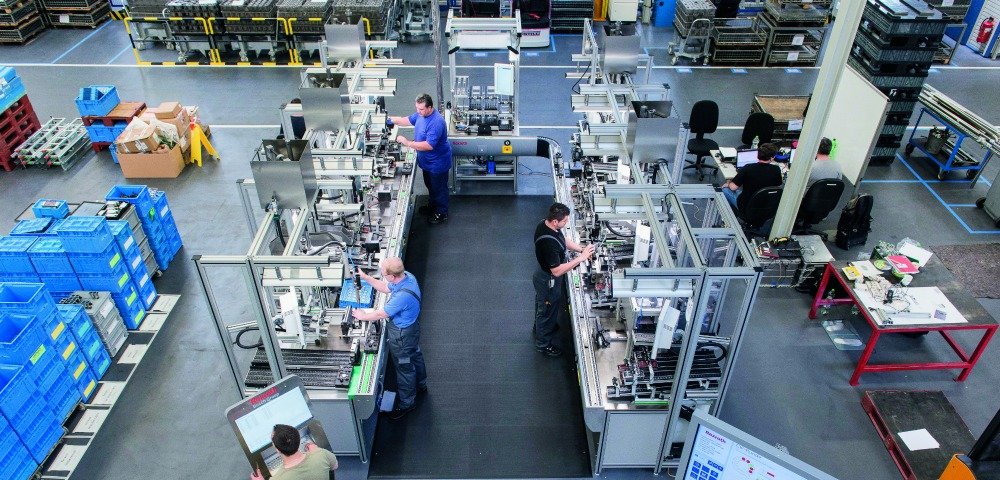
By implementing digital tools, manufacturers can:
- Reduce manual data entry and associated errors
- Quickly reallocate resources in response to disruptions
- Visualize production bottlenecks and optimize workflows
2. Leverage Real-Time Data for Better Decisions
Access to accurate, up-to-date information is crucial for effective scheduling. IoT sensors, machine monitoring, and shop floor data collection provide valuable insights into equipment status, production rates, and inventory levels. This real-time data allows schedulers to make informed adjustments, minimizing downtime and maximizing throughput.
Integrating data analytics and visualization tools can further enhance the ability to spot trends, forecast demand, and proactively address potential issues before they escalate.
3. Standardize and Automate Processes
Consistency is key to reliable scheduling. Standard operating procedures (SOPs) ensure that tasks are performed the same way every time, reducing variability and uncertainty. Automation of routine scheduling tasks—such as shift assignments, maintenance windows, and material replenishment—frees up planners to focus on higher-value activities.
Automation also supports scalability, enabling manufacturers to handle increased order volumes without sacrificing efficiency or accuracy.
Optimizing Resource Allocation in Manufacturing
One of the most effective ways to boost scheduling efficiency is through optimal resource allocation. This means assigning the right people, machines, and materials to the right jobs at the right time. Consider the following best practices:
- Cross-train employees to handle multiple tasks, increasing workforce flexibility
- Implement predictive maintenance to reduce unexpected equipment failures
- Use advanced planning algorithms to balance workloads across machines and teams
- Monitor inventory levels closely to prevent shortages or excess stock
Resource optimization not only improves productivity but also enhances employee satisfaction and reduces operational costs.
Continuous Improvement and Performance Monitoring
Improving production scheduling is not a one-time effort. Continuous monitoring and refinement are essential for sustained success. Key performance indicators (KPIs) such as on-time delivery rate, machine utilization, and schedule adherence should be tracked regularly. Analyzing these metrics helps identify areas for further improvement and ensures that changes deliver the desired results.
Manufacturers can also benefit from advanced techniques like hyperparameter tuning for inspection models to optimize quality control processes, which can indirectly support more reliable scheduling by reducing rework and scrap rates.
Integrating Advanced Technologies for Smarter Scheduling
Emerging technologies are transforming the way manufacturers approach scheduling. Artificial intelligence (AI) and machine learning algorithms can analyze vast amounts of production data to generate optimal schedules, predict disruptions, and recommend corrective actions. These systems learn from historical patterns and continuously improve their recommendations over time.
Additionally, wearable devices and augmented reality solutions—such as those described in wearable ai for manual inspection support—can enhance communication and coordination on the shop floor, ensuring that schedule changes are communicated instantly to all relevant personnel.
For a deeper dive into boosting operational performance, resources like this guide on production line efficiency offer additional insights and practical tips.
Best Practices for Sustainable Scheduling Improvements
To maintain long-term gains in scheduling efficiency, organizations should adopt a culture of continuous improvement. Key best practices include:
- Regularly review and update scheduling processes based on feedback and performance data
- Encourage cross-functional collaboration between production, maintenance, and supply chain teams
- Invest in employee training to ensure staff are proficient with new tools and systems
- Stay informed about industry trends and emerging technologies that can further enhance scheduling capabilities
By embedding these practices into daily operations, manufacturers can adapt to changing market demands and maintain a competitive edge.
FAQ: Common Questions About Improving Scheduling Efficiency
What are the main benefits of optimizing production schedules?
Optimized schedules result in reduced downtime, improved resource utilization, faster order fulfillment, and lower operational costs. They also enhance customer satisfaction by ensuring reliable delivery timelines.
How can digital tools help with scheduling?
Digital scheduling platforms provide real-time visibility, automate routine tasks, and enable quick adjustments to plans. They reduce manual errors and support data-driven decision-making, leading to more efficient operations.
What metrics should be tracked to measure scheduling performance?
Key metrics include on-time delivery rate, machine utilization, schedule adherence, and average lead time. Monitoring these indicators helps identify areas for improvement and track the impact of process changes.
How do advanced technologies like AI improve scheduling?
AI and machine learning analyze historical and real-time data to generate optimal schedules, predict potential disruptions, and recommend corrective actions. These technologies continuously learn and adapt, resulting in smarter, more resilient scheduling systems.