
Achieving both quality and efficiency in any operation—whether it’s manufacturing, service delivery, or business processes—can feel like a balancing act. Many organizations focus on one at the expense of the other, but the most successful teams understand that these two goals can and should be addressed simultaneously. By integrating strategies that target both, companies can reduce waste, deliver better results, and remain competitive in a fast-changing market.
In this article, we’ll explore practical steps and proven approaches to help you enhance both performance and output standards at the same time. If you’re looking for more detailed insights into related topics, such as overall equipment effectiveness explained, you’ll find additional resources to deepen your understanding.
Understanding the Link Between Quality and Efficiency
Many organizations treat quality improvement and efficiency gains as separate initiatives. However, these two objectives are deeply interconnected. When processes are optimized for efficiency, errors and defects often decrease, leading to higher quality outcomes. Conversely, focusing on quality can streamline workflows by eliminating rework and reducing waste.
For example, in manufacturing, a well-designed process not only speeds up production but also minimizes defects. In service industries, efficient workflows can reduce wait times and improve customer satisfaction. The key is to view these goals as mutually reinforcing rather than competing priorities.
Key Strategies for Enhancing Both Quality and Efficiency
To make meaningful progress, organizations should adopt a holistic approach. Below are several strategies that can help you move forward:
1. Standardize and Document Processes
One of the most effective ways to boost both quality and efficiency is to standardize workflows. Clear documentation ensures that everyone follows the same steps, reducing variability and the risk of mistakes. Standard operating procedures (SOPs) also make it easier to train new staff and identify areas for improvement.
2. Invest in Employee Training and Engagement
Well-trained employees are less likely to make errors and more likely to spot inefficiencies. Ongoing training programs, combined with active engagement, empower staff to take ownership of their work and suggest improvements. Encourage a culture where team members feel comfortable sharing ideas for both process optimization and quality enhancement.
3. Leverage Technology and Automation
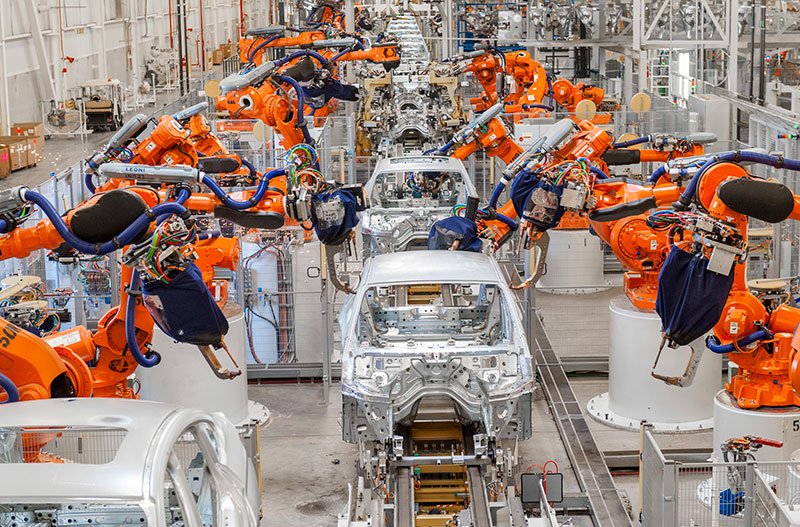
Modern tools and automation can dramatically improve outcomes. For example, digital monitoring systems can track key performance indicators in real time, allowing for quick adjustments. Automated quality checks can catch defects early, while workflow management software can eliminate bottlenecks and streamline operations.

4. Use Data-Driven Decision Making
Collecting and analyzing data is essential for identifying trends, pinpointing issues, and measuring progress. By leveraging data, organizations can make informed decisions that drive both quality and efficiency. For example, tracking defect rates alongside production speed can reveal whether changes are having the intended effect.
For more on optimizing production processes, consider exploring resources like how to improve production flow for actionable insights.
5. Foster Continuous Improvement
Adopting methodologies such as Lean, Six Sigma, or Kaizen encourages a mindset of ongoing progress. These approaches focus on eliminating waste, reducing variation, and empowering employees to suggest incremental changes. By making continuous improvement a core value, organizations can sustain high standards and adapt quickly to new challenges.
Balancing Speed and Consistency in Operations
It’s important to recognize that increasing speed should not come at the expense of consistency. The goal is to find the optimal balance where processes are both fast and reliable. This often involves identifying and addressing bottlenecks, ensuring equipment is well-maintained, and regularly reviewing procedures for potential improvements.

Regular maintenance is a crucial part of this equation. For practical tips, see how to improve machine maintenance planning to ensure your equipment supports both high output and reliable results.
Measuring Progress: Metrics That Matter
To ensure that your efforts are delivering results, it’s essential to track relevant metrics. Key performance indicators (KPIs) might include defect rates, cycle times, throughput, and customer satisfaction scores. Tools like Overall Equipment Effectiveness (OEE) can provide a comprehensive view of how well your processes are performing.
For a deeper dive into this topic, the article overall equipment effectiveness explained breaks down how to use OEE to measure both productivity and quality in manufacturing environments.
Common Challenges and How to Overcome Them
- Resistance to Change: Employees may be hesitant to adopt new processes. Address this by involving them in decision-making and communicating the benefits clearly.
- Short-Term Focus: Prioritizing quick wins over sustainable improvements can undermine long-term success. Balance immediate needs with strategic planning.
- Resource Constraints: Limited budgets or staffing can slow progress. Start with small, high-impact projects and build momentum over time.
- Poor Communication: Misunderstandings can lead to errors and inefficiencies. Foster open channels for feedback and regular updates.
Learning from Industry Leaders
Many leading organizations have successfully combined quality and efficiency initiatives. For example, automotive manufacturers use real-time data and automation to minimize defects while maximizing output. In the tech sector, agile methodologies promote rapid iteration without sacrificing standards.
To see how these strategies are applied in practice, review insights from industry experts on boosting manufacturing efficiency. Their experiences highlight the importance of integrating technology, empowering teams, and maintaining a focus on continuous improvement.
FAQs
What are the first steps to improve both quality and efficiency?
Begin by mapping out your current processes and identifying areas where errors or delays occur. Standardize procedures, provide staff training, and start collecting data to monitor progress. Small, targeted changes can yield significant results over time.
Can automation help achieve better quality and efficiency?
Yes, automation can reduce manual errors, speed up repetitive tasks, and provide real-time feedback. However, it’s important to choose solutions that fit your specific needs and to involve employees in the transition to ensure a smooth implementation.
How do you measure success when targeting both goals?
Use a combination of metrics such as defect rates, production speed, and customer satisfaction. Tools like OEE offer a comprehensive view, helping you see how changes impact both output and standards.
Is it possible to maintain high quality at higher speeds?
With the right processes, technology, and training, it is possible to maintain or even improve standards while increasing speed. The key is to continuously monitor results and make adjustments as needed.