
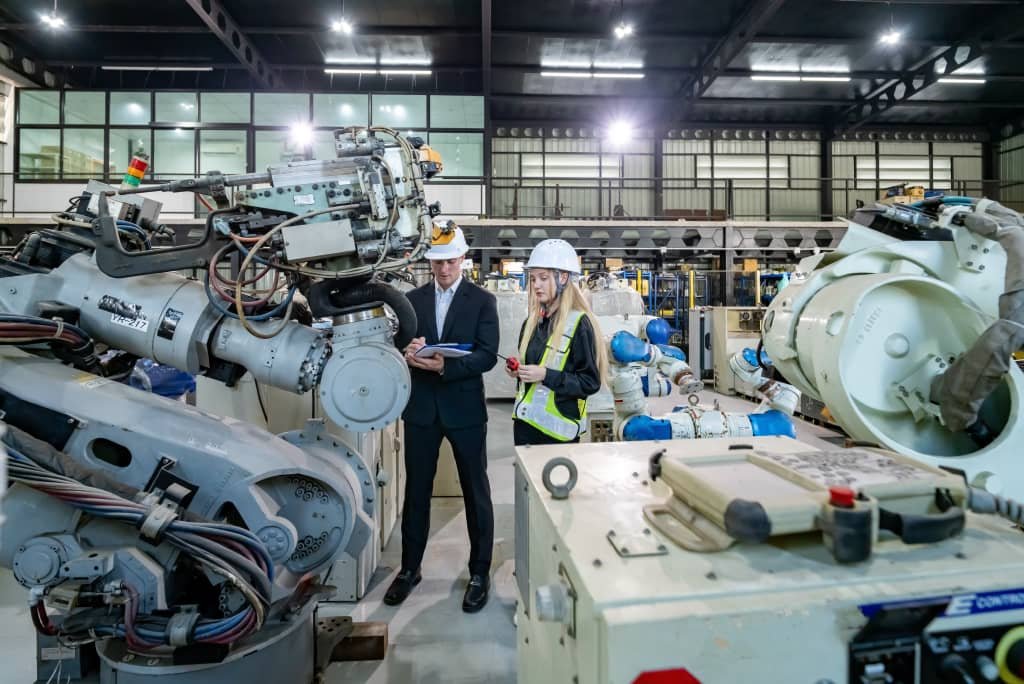
The manufacturing sector is experiencing a rapid transformation as digital technologies reshape how products are made, inspected, and delivered. Industrial IoT quality monitoring stands at the forefront of this change, enabling factories to connect machines, sensors, and software for real-time insight into production quality. By integrating connected devices and analytics, manufacturers can detect defects earlier, reduce waste, and respond quickly to process variations.
This guide explores how connected quality monitoring systems are modernizing shop floors, the core benefits of adopting these solutions, and practical steps for implementation. For organizations seeking a scalable approach, leveraging enterprise quality management systems can provide the foundation for global quality initiatives and seamless integration with IoT platforms.
What Is Industrial IoT Quality Monitoring?
At its core, industrial IoT quality monitoring refers to the use of networked sensors, edge devices, and cloud-based analytics to track and control product quality throughout manufacturing processes. Unlike traditional quality checks that rely on manual inspection or periodic sampling, IoT-enabled systems provide continuous, automated, and data-driven oversight.
These solutions typically involve:
- Deploying sensors on machines, assembly lines, and finished goods to capture data such as temperature, vibration, pressure, and dimensional accuracy.
- Transmitting this data in real time to centralized platforms for analysis and visualization.
- Using advanced algorithms to detect anomalies, trends, or deviations from quality standards.
- Triggering alerts or automated responses when issues are identified, minimizing downtime and scrap.
By connecting the shop floor, manufacturers gain a holistic view of operations, enabling proactive quality management and faster decision-making.
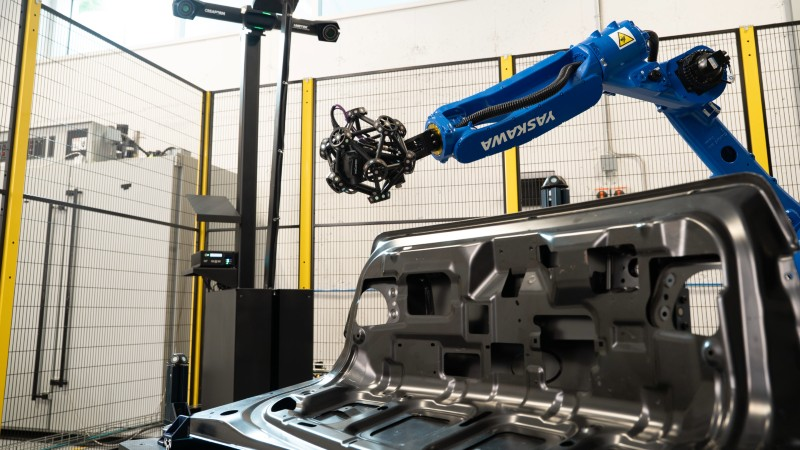
Key Benefits of Connected Quality Systems
Adopting IoT-driven quality monitoring brings a range of advantages to manufacturers of all sizes. Some of the most impactful benefits include:
Real-Time Visibility and Faster Response
With continuous data streams from the production line, teams can spot quality issues as soon as they arise. This immediate feedback loop allows for quick interventions, reducing the risk of defective products reaching customers or causing costly recalls.
Data-Driven Process Improvement
Aggregated sensor data provides deep insight into process performance, enabling root cause analysis and ongoing optimization. Over time, this leads to more consistent product quality and improved yield.
Reduced Manual Effort and Human Error
Automated monitoring minimizes the need for manual inspections, freeing up skilled workers for higher-value tasks. It also reduces the risk of missed defects due to fatigue or oversight.
Enhanced Traceability and Compliance
Digital records generated by IoT systems support traceability requirements and simplify compliance with industry standards. Manufacturers can quickly retrieve historical data to demonstrate quality control during audits.
Cost Savings and Waste Reduction
Early detection of process deviations helps prevent large batches of defective products, reducing material waste and rework costs. Over time, these savings can be significant, especially in high-volume environments.
Core Technologies Powering IoT Quality Monitoring
Several technologies work together to deliver effective industrial IoT quality monitoring solutions:
- Sensors and Edge Devices: These capture critical quality data at the source, such as temperature, humidity, force, or visual inspection images.
- Industrial Networks: Wired or wireless protocols (like Ethernet, Wi-Fi, or industrial IoT standards) transmit data securely from the shop floor to central systems.
- Cloud Platforms: Centralized data storage and analytics platforms aggregate information from multiple sources, enabling advanced reporting and machine learning.
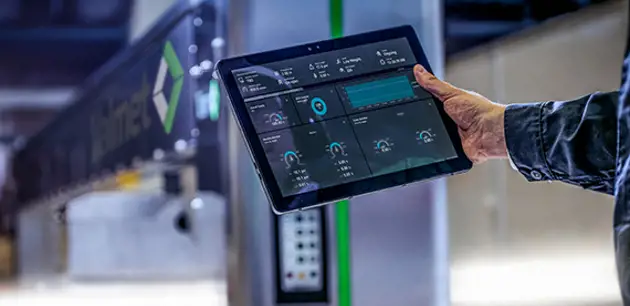
- Dashboards and Visualization Tools: User-friendly interfaces present real-time and historical data, making it easy for operators and managers to monitor quality metrics and trends.
- Automated Alerts and Integrations: When a deviation is detected, the system can trigger notifications, adjust machine settings, or integrate with MES/ERP systems for closed-loop control.
Implementing Smart Quality Monitoring on the Shop Floor
Transitioning to a connected quality system requires careful planning and a phased approach. Here are some practical steps to get started:
- Assess Current Processes: Identify critical control points, pain areas, and existing data sources. Map out where manual inspections or legacy systems could be replaced or enhanced by IoT solutions.
- Select the Right Sensors and Devices: Choose sensors that match your quality parameters—such as vision systems for surface inspection or vibration sensors for predictive maintenance.
- Integrate with Existing Systems: Ensure that new devices can communicate with your current MES, ERP, or end to end quality visibility systems for seamless data flow.
- Establish Data Collection and Analysis: Set up secure data transmission and storage. Use analytics tools to process and visualize quality metrics in real time.
- Train Teams and Iterate: Provide training for operators and quality managers. Use pilot projects to refine the system before scaling across the facility.
For organizations looking to maximize the value of IoT data, integrating with advanced manufacturing quality analytics platforms can unlock deeper insights and predictive capabilities.
Continuous Monitoring and Proactive Quality Control
One of the most powerful aspects of IoT-enabled quality systems is the ability to move from reactive to proactive quality management. Instead of waiting for defects to be discovered after production, manufacturers can leverage continuous monitoring to spot issues as they develop.
This approach aligns with the principles of continuous monitoring, where real-time data streams are used to maintain product and process quality at every stage. By analyzing trends and detecting subtle shifts, teams can intervene before problems escalate, reducing downtime and improving customer satisfaction.
Challenges and Considerations for IoT Quality Initiatives
While the benefits are substantial, implementing connected quality monitoring is not without challenges. Key considerations include:
- Data Security: Protecting sensitive production and quality data from cyber threats is essential. Choose solutions with robust encryption and access controls.
- System Integration: Connecting new IoT devices with legacy equipment and software can be complex. Look for platforms that support open standards and flexible APIs.
- Scalability: As your operation grows, ensure that the chosen system can handle increased data volumes and additional devices without performance issues.
- Change Management: Successful adoption requires buy-in from all levels of the organization. Invest in training and clear communication to support the transition.
For those seeking the latest advancements, exploring next generation quality monitoring systems can provide a competitive edge through AI, machine learning, and advanced automation.
FAQ: Industrial IoT Quality Monitoring
How does IoT-based quality monitoring differ from traditional quality control?
Traditional quality control often relies on manual inspections or periodic sampling, which can miss defects or process variations. IoT-based solutions provide continuous, automated monitoring, enabling real-time detection of issues and data-driven improvements.
What types of sensors are commonly used for quality monitoring in manufacturing?
Common sensors include temperature, humidity, vibration, pressure, and vision systems for visual inspection. The choice depends on the specific quality parameters and production processes involved.
Can small and medium manufacturers benefit from connected quality systems?
Yes, IoT quality monitoring is scalable and can deliver significant benefits for manufacturers of all sizes. Smaller operations can start with targeted deployments and expand as needs evolve, gaining real-time visibility and reducing manual effort.
How can IoT data improve compliance and traceability?
Digital records generated by IoT devices provide a detailed audit trail of production and quality events. This simplifies compliance with industry standards and makes it easier to respond to customer or regulatory inquiries.
What are the first steps to implement IoT quality monitoring?
Begin by assessing current quality control processes and identifying areas for improvement. Select appropriate sensors, ensure integration with existing systems, and start with pilot projects to validate the approach before scaling.