
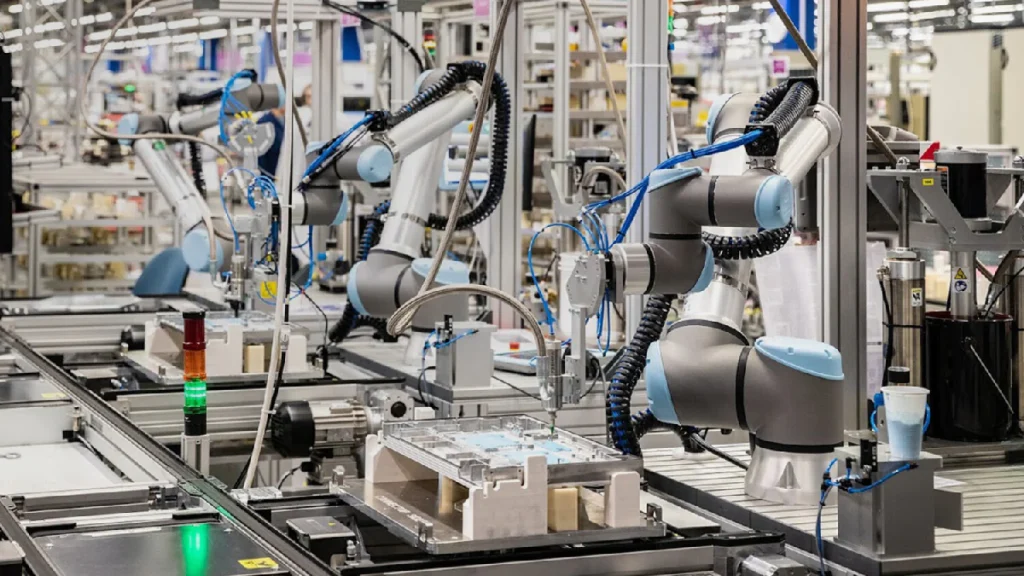
Industry 4.0 quality monitoring is transforming how manufacturers ensure product consistency, reduce waste, and respond to issues in real time. As factories become more connected, the integration of smart sensors, data analytics, and automated feedback loops is redefining quality assurance. This guide explores the core concepts, technologies, and strategies behind this new era of manufacturing oversight, helping you understand what’s possible and how to get started.
Whether you’re looking to modernize your quality processes, boost efficiency, or gain a competitive edge, understanding the principles of digital quality management is essential. By leveraging advanced systems and analytics, companies can move from reactive to proactive quality control, minimizing defects and maximizing customer satisfaction.
For organizations scaling their operations, adopting enterprise quality management systems can provide the foundation for robust, data-driven oversight across multiple sites and product lines. These platforms are designed to support the demands of modern, connected manufacturing environments.
What Sets Digital Quality Monitoring Apart?
Traditional quality control often relies on manual inspections and periodic sampling, which can miss subtle defects or process drift. In contrast, Industry 4.0 quality monitoring uses real-time data from connected devices, machine vision, and automated analytics to detect issues as they happen. This approach enables:
- Continuous monitoring of production lines and equipment health
- Immediate alerts and automated responses to deviations
- Comprehensive traceability of products and processes
- Data-driven root cause analysis for faster problem resolution
By embedding intelligence at every stage, manufacturers can ensure higher consistency, reduce recalls, and optimize resource usage.

Key Technologies Powering Smart Quality Systems
Several innovations are driving the shift toward automated, intelligent quality assurance in manufacturing:
- IoT Sensors: Devices that collect temperature, pressure, vibration, and other process data in real time.
- Machine Vision: Cameras and AI algorithms that inspect products for defects, dimensional accuracy, and surface quality.
- Edge Computing: Local data processing that enables instant decision-making without relying on cloud latency.
- Advanced Analytics: Tools that identify trends, predict failures, and recommend process adjustments.
- Automated Feedback Loops: Systems that adjust machine parameters or halt production when issues are detected.
These technologies work together to create a closed-loop system where quality is monitored, analyzed, and improved continuously.
Benefits of Real-Time Quality Oversight
Implementing real-time quality monitoring delivers measurable advantages for manufacturers:
- Faster Detection: Identify defects or process deviations instantly, reducing scrap and rework.
- Reduced Downtime: Address equipment issues before they lead to costly breakdowns.
- Enhanced Traceability: Track every product’s journey for compliance and recall management.
- Lower Costs: Minimize waste, manual inspection labor, and warranty claims.
- Continuous Improvement: Use data insights to refine processes and boost yield over time.
For a deeper look at the operational impact, see this overview of real-time production monitoring benefits.
Integrating Quality Monitoring with Manufacturing Operations
To maximize the value of digital quality systems, integration with other manufacturing platforms is essential. This includes:
- MES (Manufacturing Execution Systems): Synchronize quality data with production schedules and inventory management.
- ERP (Enterprise Resource Planning): Link quality outcomes to supply chain, procurement, and customer service functions.
- PLM (Product Lifecycle Management): Feed quality data into design and engineering workflows for continuous product improvement.
Modern solutions like end to end quality visibility systems are designed to bridge these silos, providing a unified view of quality across the entire value chain.

Challenges and Considerations for Implementation
While the advantages are clear, transitioning to a smart, connected quality system requires careful planning. Key challenges include:
- Data Integration: Consolidating information from legacy equipment and new sensors can be complex.
- Change Management: Teams may need training to interpret analytics and trust automated recommendations.
- Cybersecurity: More connected devices increase the risk of data breaches and operational disruption.
- Scalability: Ensuring systems can grow with production volumes and new product lines.
- ROI Measurement: Quantifying the benefits of quality investments to justify ongoing spend.
Working with experienced partners and leveraging platforms built for advanced manufacturing quality analytics can help address these hurdles and accelerate adoption.
Best Practices for Smart Quality Control
To get the most from your investment in digital quality oversight, consider these proven strategies:
- Start Small, Scale Fast: Pilot solutions on a single line or product, then expand based on results.
- Prioritize High-Impact Areas: Focus on processes with the greatest quality risk or cost.
- Automate Data Collection: Minimize manual entry to reduce errors and free up staff for higher-value tasks.
- Use Predictive Analytics: Move from reactive to proactive quality management by forecasting issues before they occur.
- Foster a Data-Driven Culture: Encourage teams to use insights from monitoring systems to drive continuous improvement.
Solutions like next generation quality monitoring systems are designed to support these best practices, offering modular, scalable tools for every stage of your digital transformation.
How to Choose the Right Quality Monitoring Solution
With many vendors and technologies available, selecting the right platform for your needs is crucial. Consider the following criteria:
- Compatibility: Can the system connect with your existing equipment and software?
- Flexibility: Does it support your specific processes and quality standards?
- Ease of Use: Is the interface intuitive for operators and managers?
- Analytics Capabilities: Are advanced reporting and predictive tools included?
- Support and Training: Does the provider offer resources to help your team succeed?
It’s also wise to look for solutions that offer strong variance detection in manufacturing, enabling you to spot subtle process changes before they impact product quality.
FAQ: Common Questions About Digital Quality Monitoring
What is the main advantage of Industry 4.0 quality monitoring over traditional methods?
The biggest advantage is real-time detection and response. Instead of waiting for manual inspections or periodic audits, connected systems can identify issues instantly and even trigger automated corrections, reducing waste and improving consistency.
How does machine vision contribute to automated quality control?
Machine vision uses cameras and AI to inspect products for defects, measure dimensions, and verify assembly. This technology can catch errors that are too small or subtle for human inspectors, and it works at high speeds without fatigue.
Can small and medium manufacturers benefit from digital quality systems?
Yes. Many modern solutions are modular and scalable, making them accessible for businesses of all sizes. Starting with a focused pilot project can demonstrate value and provide a roadmap for broader adoption.
Are there risks associated with increased connectivity in manufacturing?
While connectivity brings many benefits, it also introduces cybersecurity risks. Protecting data and ensuring system integrity requires strong IT policies, regular updates, and employee training.
How can companies measure the ROI of quality monitoring investments?
Key metrics include reductions in scrap and rework, fewer customer complaints, improved yield, and lower warranty costs. Over time, data-driven quality management can also boost brand reputation and customer loyalty.