
The rapid evolution of manufacturing demands smarter, faster, and more reliable quality assurance methods. Inline sensor inspection systems have emerged as a cornerstone technology for modern production environments, enabling real-time monitoring and control of product quality without slowing down throughput. These systems integrate seamlessly into existing lines, using advanced sensors and analytics to detect defects, measure dimensions, and ensure compliance with strict quality standards.
As manufacturers strive for higher efficiency and reduced waste, the adoption of automated inspection solutions has become a strategic priority. By leveraging inline sensors, companies can identify issues as they occur, minimize costly recalls, and maintain a consistent output. For organizations seeking to enhance their quality management infrastructure, solutions like enterprise quality management systems offer a comprehensive approach to integrating inspection data with broader operational processes.

How Inline Inspection Technologies Work
At the heart of these advanced systems are a variety of sensors—optical, laser, ultrasonic, and even X-ray—each tailored to specific inspection tasks. As products move along the conveyor, these sensors capture high-resolution data, which is then processed by sophisticated software algorithms. The result is immediate feedback on quality parameters such as dimensions, surface defects, color consistency, and assembly integrity.
Unlike traditional sampling or offline inspection, inline sensor-based solutions provide 100% coverage, ensuring every item is checked without interrupting production flow. This approach not only boosts confidence in output quality but also supports continuous improvement initiatives by providing actionable data for process optimization.
Key Benefits of Sensor-Based Quality Control
The integration of inline sensor inspection systems brings measurable advantages to manufacturers across industries. Some of the most significant benefits include:
- Real-time defect detection: Immediate identification of issues allows for rapid intervention, reducing scrap and rework.
- Consistent product quality: Automated checks eliminate human error and variability, ensuring uniformity batch after batch.
- Increased throughput: Automated inspections keep pace with high-speed lines, supporting productivity goals.
- Data-driven process improvement: Continuous data collection enables root cause analysis and targeted process adjustments.
- Regulatory compliance: Detailed inspection records support traceability and adherence to industry standards.
For teams seeking to harness the full potential of their inspection data, integrating these systems with advanced manufacturing quality analytics platforms can unlock deeper insights and support smarter decision-making.
Applications Across Modern Production Environments
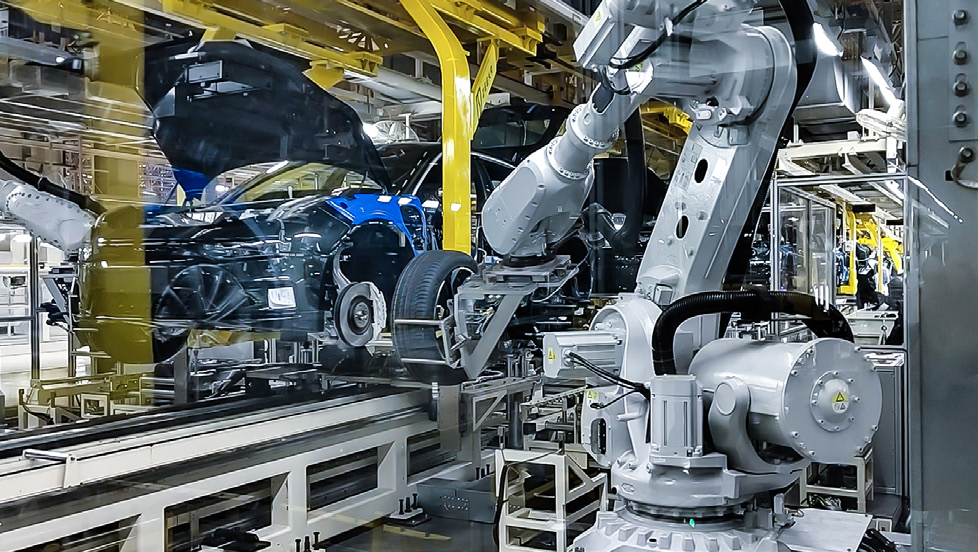
The versatility of inline inspection technology makes it suitable for a wide range of industries. In automotive manufacturing, sensors verify weld quality, paint finish, and component assembly. Electronics producers use high-resolution cameras and laser scanners to detect soldering defects and ensure precise component placement. In the food and beverage sector, X-ray and vision systems check for foreign objects, fill levels, and packaging integrity.
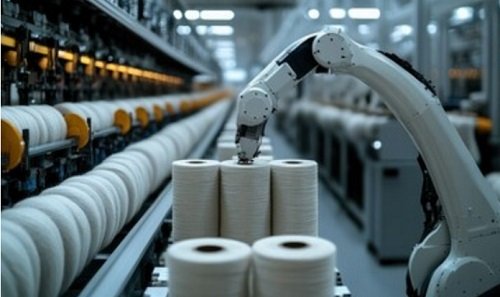
Textile and plastics manufacturers benefit from continuous monitoring of color, texture, and thickness, while pharmaceutical companies rely on automated systems for blister pack inspection and label verification. The adaptability of these solutions ensures that virtually any production line can be enhanced with real-time quality assurance.
Integrating Inline Sensor Inspection with Digital Quality Systems
To maximize the value of sensor-based inspections, many organizations are connecting these systems with broader digital quality management platforms. This integration enables seamless data flow from the shop floor to enterprise systems, supporting traceability, compliance, and continuous improvement initiatives.
For example, combining inline inspection with end to end quality visibility systems provides a holistic view of quality across the entire production process. This approach not only streamlines reporting and audits but also empowers teams to respond proactively to emerging trends or anomalies.
Challenges and Considerations When Implementing Inline Inspection
While the advantages are clear, deploying inline sensor solutions requires careful planning. Key considerations include:
- System compatibility: Ensuring sensors and software integrate smoothly with existing machinery and IT infrastructure.
- Calibration and maintenance: Regular calibration is essential for accurate measurements and reliable defect detection.
- Data management: Handling the large volumes of data generated by continuous inspection demands robust storage and analytics capabilities.
- Change management: Training staff and aligning processes to leverage new technologies effectively.
Manufacturers must also evaluate the specific requirements of their products and processes to select the most appropriate sensor technologies and inspection strategies.
Boosting Productivity and Reducing Downtime
One of the most compelling reasons to adopt inline inspection is its impact on operational efficiency. By providing instant feedback, these systems help minimize unplanned downtime and optimize production schedules. As highlighted in this insightful article on real-time monitoring for reducing downtime and increasing output, leveraging live data from the shop floor enables faster response to issues and supports lean manufacturing principles.
The result is a more agile, resilient production environment that can adapt quickly to changing demands and maintain high standards of quality.
Future Trends in Automated Inspection
The landscape of inline inspection is evolving rapidly, driven by advances in artificial intelligence, machine learning, and industrial IoT. Modern systems are increasingly capable of self-learning, adapting inspection criteria based on historical data, and predicting potential failures before they occur. Integration with cloud-based analytics and remote monitoring tools further enhances visibility and control.
As manufacturers continue to pursue digital transformation, the role of real-time sensor inspection will only grow, supporting smarter factories and more sustainable production practices.
FAQ: Inline Sensor Inspection in Manufacturing
What types of defects can inline sensor inspection systems detect?
These systems can identify a wide range of issues, including dimensional inaccuracies, surface scratches, color deviations, missing components, and foreign objects. The specific types of defects detected depend on the sensor technologies used, such as vision, laser, or X-ray.
How do inline inspection systems improve quality control?
By providing continuous, automated monitoring, these solutions ensure that every item produced is checked for compliance with quality standards. This reduces the risk of defective products reaching customers and supports ongoing process improvement through detailed data analysis.
Can inline sensor inspection be integrated with existing manufacturing systems?
Yes, most modern inspection platforms are designed for compatibility with a wide range of production equipment and digital quality management solutions. Integration enables seamless data sharing and supports comprehensive quality oversight across the organization.