

Manufacturers around the world are constantly seeking ways to improve efficiency, reduce waste, and respond quickly to changing market demands. One approach that has gained significant traction is just in time manufacturing, a strategy focused on producing goods only as they are needed. By minimizing inventory and streamlining production processes, this method offers a range of advantages for businesses aiming to stay competitive and agile.
In this article, we’ll break down the main just in time manufacturing benefits, explore how this approach can transform operations, and highlight practical steps for implementation. If you’re interested in learning more about related production strategies, check out our detailed guide on how to reduce production waste.
Understanding the Core Principles of JIT
The foundation of just in time (JIT) manufacturing lies in producing only what is needed, when it is needed, and in the amount needed. This philosophy was popularized by Toyota in the 1970s and has since become a cornerstone of lean manufacturing. The main goals are to eliminate excess inventory, reduce waste, and create a more responsive production environment.
JIT is not just about inventory control—it’s a holistic approach that requires close coordination with suppliers, precise scheduling, and a culture of continuous improvement. By focusing on these principles, companies can achieve impressive gains in productivity and cost savings.
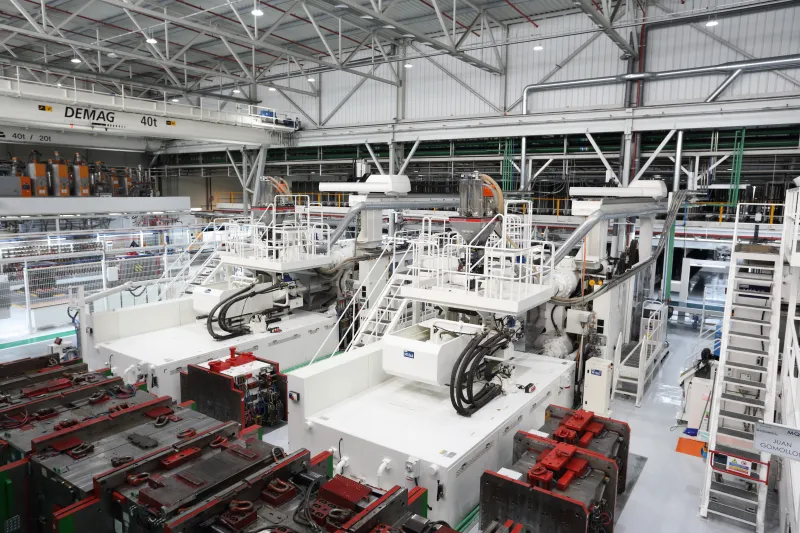
Key Advantages of Just in Time Production
Adopting a JIT approach brings several notable benefits for manufacturers of all sizes. Here are some of the most impactful outcomes:
Reduced Inventory Costs
One of the most immediate just in time manufacturing benefits is the significant reduction in inventory holding costs. By producing goods only as orders are received, companies can minimize the amount of raw materials and finished products stored on-site. This not only frees up valuable warehouse space but also reduces the risk of inventory obsolescence and spoilage.
Improved Cash Flow
With less capital tied up in inventory, businesses enjoy improved cash flow. This financial flexibility allows manufacturers to invest in new technologies, expand operations, or respond to market opportunities more quickly.
Enhanced Production Efficiency
JIT encourages a streamlined production process, where each step is closely monitored and optimized. By identifying and eliminating bottlenecks, manufacturers can achieve faster turnaround times and higher throughput. For more strategies on boosting efficiency, see our article on how to improve production efficiency.
Decreased Waste and Defects
By aligning production closely with demand, JIT helps reduce overproduction—a common source of waste in traditional manufacturing. This approach also supports quality improvement initiatives, as smaller batch sizes make it easier to detect and correct defects early in the process.
How JIT Supports Lean and Agile Manufacturing
The principles behind just in time manufacturing are closely aligned with lean and agile methodologies. Both approaches emphasize continuous improvement, waste reduction, and rapid response to customer needs. By integrating JIT into their operations, manufacturers can build more resilient and adaptable supply chains.
For example, companies that implement JIT often develop stronger relationships with suppliers, enabling faster delivery of materials and greater flexibility in production scheduling. This collaboration is essential for maintaining the precise timing required by JIT systems.
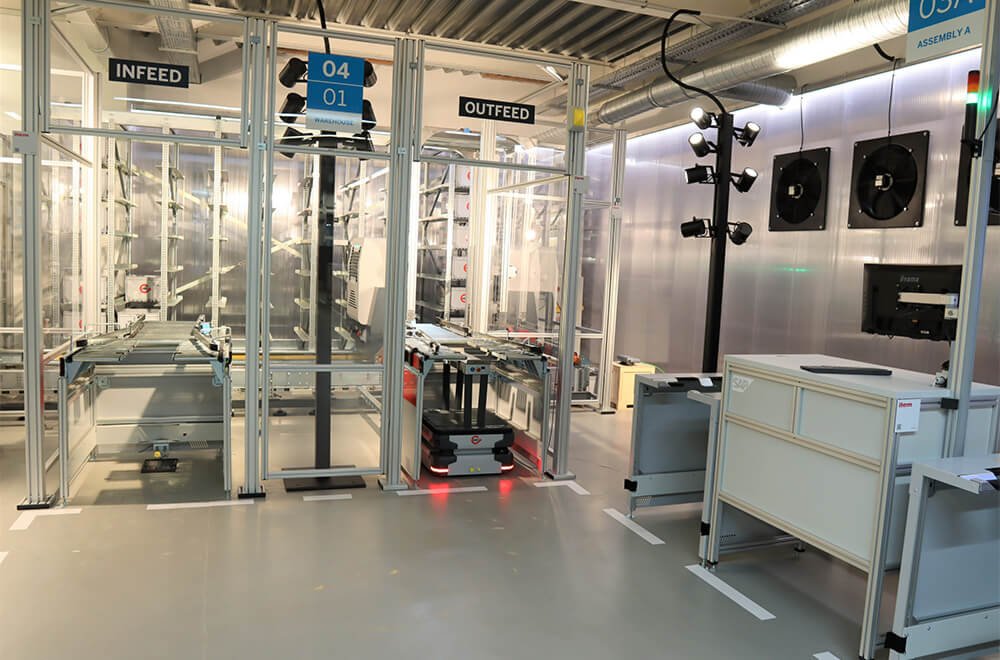
Challenges and Considerations in JIT Implementation
While the benefits of just in time production are substantial, successful implementation requires careful planning and ongoing management. Some challenges to consider include:
- Supply Chain Reliability: JIT relies on timely delivery of materials. Any disruption—such as supplier delays or transportation issues—can halt production.
- Demand Variability: Fluctuations in customer demand can be difficult to manage without sufficient buffer stock.
- Employee Training: Staff must be trained to adapt to new processes and respond quickly to changes in production schedules.
- Technology Integration: Real-time data and automation tools are often needed to coordinate JIT operations effectively.
Manufacturers considering JIT should assess their current processes, evaluate supplier performance, and invest in the necessary technology and training. For more insights on increasing output and efficiency, our resource on ways to increase manufacturing efficiency offers practical tips.
Real-World Impact: Case Studies and Industry Trends
Many leading manufacturers have reported impressive results after adopting just in time practices. For instance, automotive companies have used JIT to reduce assembly line inventory and improve delivery times. Electronics manufacturers benefit from faster product cycles and reduced component waste.
Industry research shows that businesses using JIT often experience lower operational costs, higher product quality, and increased customer satisfaction. These outcomes are driving more companies to explore JIT as part of their broader lean manufacturing strategies.
For a deeper dive into how companies are improving efficiency, consider reading this step-by-step guide to boosting manufacturing efficiency.
Best Practices for Maximizing JIT Benefits
To fully realize the advantages of just in time manufacturing, organizations should focus on the following best practices:
- Build Strong Supplier Relationships: Reliable suppliers are essential for timely material delivery and production continuity.
- Invest in Technology: Use real-time inventory tracking, demand forecasting, and automation to support JIT processes.
- Foster a Culture of Continuous Improvement: Encourage employees to identify inefficiencies and suggest process enhancements.
- Monitor Key Metrics: Track inventory turnover, lead times, and defect rates to measure JIT performance.
- Prepare for Disruptions: Develop contingency plans to address supply chain interruptions or sudden shifts in demand.
Manufacturers can also benefit from reviewing production efficiency best practices to complement their JIT initiatives.
Frequently Asked Questions
What is the main goal of just in time manufacturing?
The primary objective is to produce goods only as they are needed, minimizing inventory and reducing waste. This approach helps manufacturers respond quickly to customer demand while lowering operational costs.
How does JIT improve production efficiency?
By streamlining processes and eliminating excess inventory, JIT enables faster production cycles, reduces bottlenecks, and improves overall workflow. This leads to higher throughput and better resource utilization.
Are there risks associated with just in time production?
Yes, JIT depends heavily on reliable suppliers and accurate demand forecasting. Disruptions in the supply chain or sudden changes in demand can impact production schedules. Careful planning and strong supplier relationships are crucial for mitigating these risks.
Can JIT be used in industries outside of manufacturing?
Absolutely. While JIT originated in manufacturing, its principles are now applied in sectors like healthcare, retail, and logistics to improve efficiency and reduce waste.
For more real-world examples of process improvement, explore our collection of real-world defect detection success stories.