
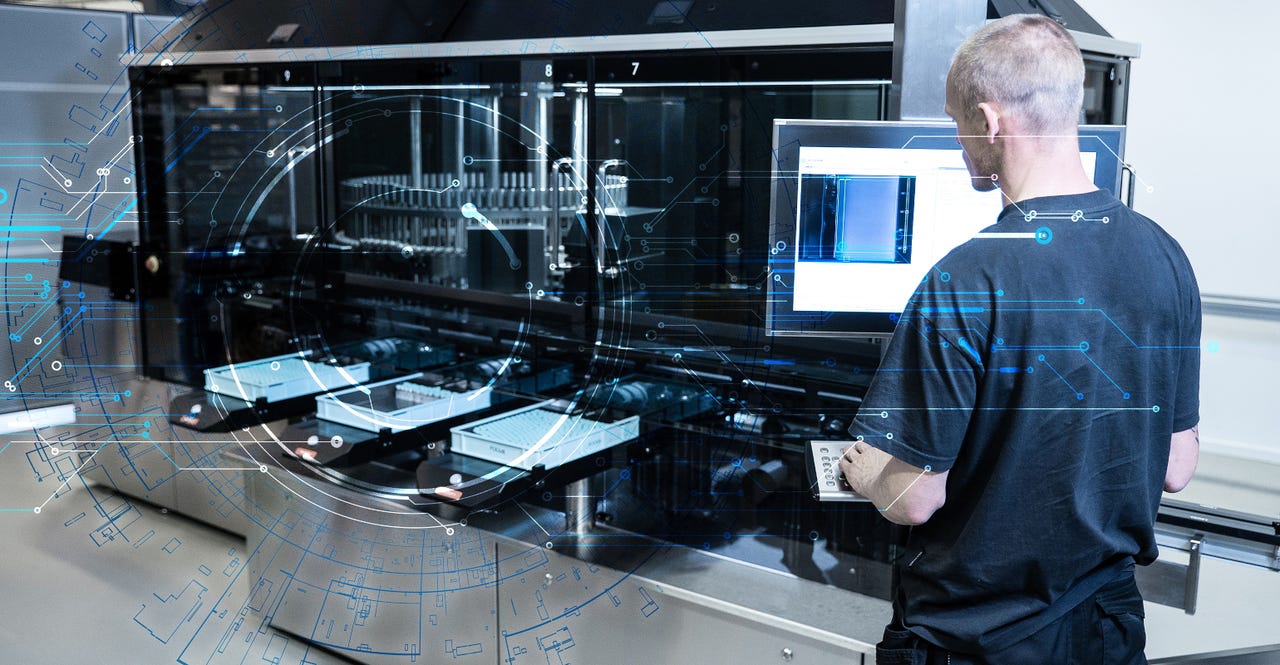
In the world of quality assurance, the latest research on AI defect detection is revolutionizing how industries maintain standards and ensure product integrity. As technology advances, AI’s capability to detect defects more accurately and efficiently is becoming a game-changer. This article delves into the recent advancements in AI defect detection, providing insights into how it’s shaping the future of quality control.

The Evolution of AI in Defect Detection
AI has come a long way in recent years, particularly in the realm of defect detection. Initially, it served as a supportive tool, but now, it stands at the forefront of quality assurance processes. The latest research on AI defect detection highlights significant improvements in machine learning algorithms, allowing them to identify defects with higher precision and speed than ever before.
Machine Learning and Deep Learning
One of the most notable advancements is the integration of machine learning and deep learning into defect detection systems. These technologies enable AI to learn from vast datasets, improving its ability to recognize patterns and anomalies that signify defects. This learning process is continuous, meaning AI systems are constantly evolving and improving.
For more insights, you can visit this external resource which provides a detailed overview of AI visual inspections.
AI Visual Inspection
AI visual inspection is one of the key areas where significant progress has been made. By using computer vision, AI systems can analyze images or videos to identify defects that might be invisible to the human eye. This capability is especially useful in industries where precision is crucial, such as electronics and automotive manufacturing.
Explore more about the impact of AI in visual inspection through this AI patents insight.
Applications of AI Defect Detection
The latest research on AI defect detection showcases its application across various industries. From manufacturing to healthcare, AI is enhancing defect detection processes, ensuring higher quality products and services.
Manufacturing Industry
In manufacturing, AI defect detection helps in identifying flaws in products before they reach the consumer. This capability not only saves costs associated with recalls but also maintains brand reputation.
Learn about how AI is transforming inspection processes in manufacturing by visiting this AI inspection revolution.
Healthcare Sector
In the healthcare sector, AI is used to detect defects in medical devices and pharmaceuticals. Ensuring the safety and effectiveness of these products is paramount, and AI plays a critical role in achieving this goal.
Challenges and Future Prospects
Despite the advancements, the latest research on AI defect detection also highlights several challenges. These include the need for extensive datasets to train AI systems and the potential for AI bias. Addressing these challenges is crucial for the continued success and integration of AI in defect detection.
Data Requirements
AI systems require vast amounts of data to function effectively. Gathering and annotating this data can be time-consuming and costly, posing a significant challenge for many organizations.
AI Bias
AI bias occurs when the data used to train AI systems is not representative of all possible scenarios. This can lead to inaccurate defect detection, highlighting the importance of using diverse and comprehensive datasets.
Conclusion
The latest research on AI defect detection reveals a promising future for quality assurance across various industries. As AI technology continues to evolve, its ability to detect defects with unparalleled accuracy and efficiency will undoubtedly transform how we approach quality control. To stay updated on the latest trends, you might consider exploring this AI market trends article.

FAQs
What are the benefits of AI in defect detection?
AI offers numerous benefits, including increased accuracy, efficiency, and the ability to detect defects that might be missed by human inspectors.
How is AI used in the manufacturing industry?
In manufacturing, AI is used to inspect products for defects, ensuring that only high-quality items reach consumers. This process helps in reducing costs associated with product recalls and maintains brand reputation.
What challenges does AI defect detection face?
The primary challenges include the need for extensive datasets and the potential for AI bias, which can affect the accuracy of defect detection.
This article contains affiliate links. We may earn a commission at no extra cost to you.