
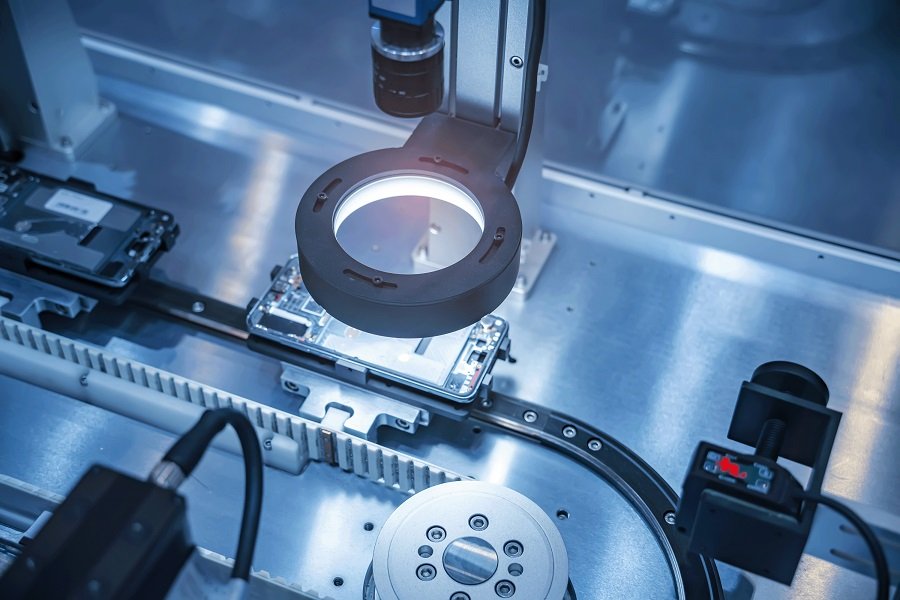
The manufacturing sector is undergoing a significant transformation as machine learning in defect detection becomes a core part of quality control strategies. By harnessing advanced algorithms and data-driven insights, companies can identify flaws in products with greater speed and accuracy than ever before. This shift not only improves product reliability but also streamlines operations and reduces waste.
As industries strive to meet higher standards and customer expectations, the integration of intelligent inspection systems is no longer optional—it’s essential. In this article, we’ll explore how these technologies work, their benefits, and why they are rapidly replacing traditional inspection methods. For a deeper understanding of the differences between classic and AI-powered vision systems, see our guide on ai vs traditional machine vision.
How AI-Powered Inspection Systems Work
At the heart of modern quality assurance are systems that use machine learning in defect detection to analyze images or sensor data from production lines. These systems are trained on large datasets containing examples of both normal and defective products. Over time, the algorithms learn to recognize subtle patterns and anomalies that may indicate a defect.
Unlike rule-based machine vision, which relies on fixed parameters, machine learning models adapt and improve as more data becomes available. This adaptability makes them especially effective in environments where product variations or new defect types frequently arise. For a comprehensive overview of how these systems are structured and deployed, you can refer to our resource on what is an ai-driven inspection system.

Key Benefits of Machine Learning for Defect Detection
The adoption of AI-driven inspection brings several advantages to manufacturers seeking to optimize their quality control processes:
- Increased Accuracy: Machine learning algorithms can detect even the smallest defects, reducing the risk of faulty products reaching customers.
- Faster Inspection: Automated systems process images and data in real time, allowing for rapid identification and removal of defective items from the production line.
- Reduced Human Error: By minimizing manual inspection, companies lower the chances of oversight or inconsistent evaluations.
- Adaptability: These systems can be retrained or updated to recognize new defect types as manufacturing processes evolve.
- Cost Savings: Early detection of issues helps prevent costly recalls, rework, or waste.
For more insights into the advantages of intelligent inspection, see this overview of the benefits of using AI in quality control and inspection.
Applications Across Industries
The use of machine learning in defect detection is not limited to a single sector. Its versatility makes it valuable in a wide range of industries:
- Electronics: Identifying micro-cracks, soldering errors, or missing components on circuit boards.
- Automotive: Inspecting paint finishes, welds, and assembly accuracy for safety-critical parts.
- Pharmaceuticals: Ensuring packaging integrity and correct labeling to comply with regulations.
- Food and Beverage: Detecting contaminants, improper sealing, or labeling mistakes to protect consumers.
- Textiles: Spotting weaving defects, stains, or color inconsistencies in fabrics.

Challenges and Considerations When Adopting AI Inspection
While the benefits are substantial, implementing machine learning in defect detection does come with challenges. Manufacturers must consider several factors to ensure successful deployment:
- Data Quality: High-quality, well-labeled datasets are essential for effective training of machine learning models.
- Integration: New systems must be compatible with existing production equipment and workflows.
- Change Management: Employees may need training to work alongside AI systems and interpret their outputs.
- Ongoing Maintenance: Models require periodic retraining and validation to maintain accuracy as products or processes change.
- Cost of Implementation: Initial investment in hardware, software, and expertise can be significant, though long-term savings often outweigh upfront costs.
Addressing these considerations early can help organizations maximize the return on their investment in smart inspection technologies.
Future Trends in Automated Quality Control
The landscape of quality assurance is evolving rapidly. As machine learning algorithms become more sophisticated, their ability to detect complex or rare defects will only improve. Some emerging trends include:
- Edge Computing: Processing data directly on the production floor for faster decision-making and reduced latency.
- Self-Learning Systems: Inspection platforms that continuously update their models based on new data without manual intervention.
- Integration with IoT: Combining sensor networks and AI to provide a holistic view of production health and performance.
- Scalability: Flexible solutions that can be easily adapted to new product lines or manufacturing sites. For more on scaling up production with smart technologies, see our article on how to improve production scalability.
As these innovations mature, manufacturers will be able to achieve even higher levels of efficiency, consistency, and product quality.
FAQ: Machine Learning for Defect Detection
How does machine learning improve defect detection compared to traditional methods?
Machine learning models analyze large volumes of production data to identify subtle patterns and anomalies that might be missed by rule-based or manual inspection. They adapt over time, improving their accuracy and reducing false positives as they are exposed to more examples.
What types of defects can AI-based systems detect?
These systems can identify a wide range of issues, from surface scratches and color inconsistencies to structural flaws and missing components. Their flexibility allows them to be tailored to specific products and defect types across different industries.
Is it difficult to implement machine learning for quality control in existing factories?
While initial setup requires investment in data collection, labeling, and integration, many modern platforms are designed for compatibility with existing equipment. With proper planning and staff training, most manufacturers can transition to AI-powered inspection without major disruptions.