
Machine learning in quality assurance is rapidly transforming how organizations detect, prevent, and address errors across manufacturing, software development, and service delivery. By leveraging data-driven algorithms, companies can move beyond traditional manual inspection and reactive testing, shifting toward proactive, predictive, and highly scalable quality management. This approach not only reduces costly mistakes but also improves consistency, efficiency, and customer satisfaction.
As industries face increasing complexity, the demand for smarter, automated quality solutions continues to grow. Integrating advanced analytics and intelligent systems into quality workflows helps teams identify subtle patterns, anticipate issues before they escalate, and maintain high standards even as production scales. For organizations aiming to streamline operations and minimize risk, adopting machine learning is no longer optional—it’s becoming essential.
For businesses operating at scale, robust digital infrastructure is key. Solutions such as enterprise quality management systems provide the foundation for integrating machine learning tools, enabling seamless data collection, analysis, and actionable insights across the entire organization.
Understanding the Role of Machine Learning in Modern Quality Control
Traditional quality assurance methods often rely on manual checks, sampling, and rule-based automation. While these approaches have served industries for decades, they struggle to keep pace with the volume and complexity of modern production environments. Machine learning in quality assurance introduces a new paradigm by enabling systems to learn from historical and real-time data, recognize anomalies, and adapt to changing conditions without explicit programming.
Key advantages of this approach include:
- Automated error detection based on patterns in large datasets
- Continuous improvement as algorithms learn from new data
- Faster response to emerging quality issues
- Scalability across multiple lines, products, or locations
These benefits allow organizations to not only catch defects earlier but also prevent them from occurring in the first place.
How Intelligent Algorithms Prevent Errors Before They Happen
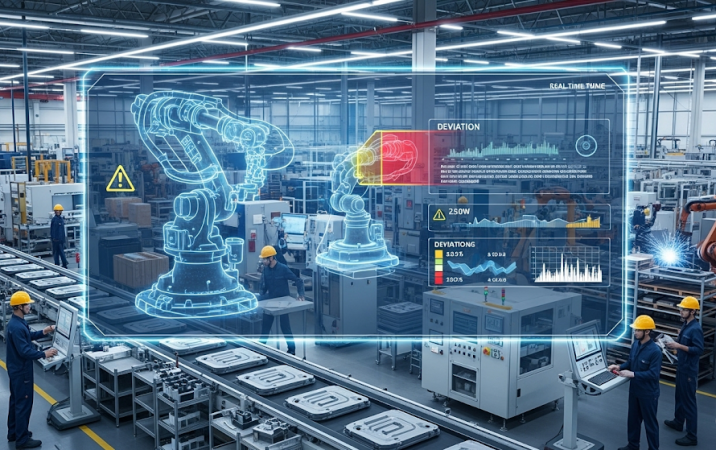
One of the most impactful uses of machine learning in quality assurance is predictive analytics. By analyzing historical defect data, process variables, and sensor readings, intelligent systems can forecast the likelihood of future errors. This enables teams to intervene proactively—adjusting processes, scheduling maintenance, or retraining staff—before issues reach customers.
For example, in manufacturing, machine learning models can monitor equipment performance and product measurements in real time. If the system detects a deviation from normal operating conditions, it can alert operators or automatically adjust parameters to maintain quality. In software development, similar techniques can flag code changes that are statistically likely to introduce bugs, allowing for targeted reviews and testing.
This shift from reactive to predictive quality management is a game-changer for organizations seeking to reduce waste, improve uptime, and deliver consistently high-quality products.
Key Applications Across Industries
The adoption of machine learning in quality assurance spans a wide range of sectors. Here are some leading examples:
- Manufacturing: Automated visual inspection systems use computer vision to spot defects on assembly lines, while predictive maintenance algorithms minimize unplanned downtime.
- Pharmaceuticals: Machine learning helps ensure batch consistency and compliance by monitoring process data and flagging anomalies.
- Software development: Intelligent test automation tools prioritize high-risk areas and optimize regression testing.
- Automotive: Advanced analytics track component performance and warranty claims to identify systemic issues early.
In each case, the result is fewer errors, faster resolution, and improved customer trust.
Benefits of Automated Quality Monitoring and Real-Time Insights
Real-time monitoring powered by machine learning delivers several advantages over traditional quality checks. These systems can process vast amounts of data from sensors, cameras, and production logs, identifying subtle trends and outliers that human inspectors might miss. This leads to:
- Faster detection of process drift or equipment failure
- Immediate alerts and automated corrective actions
- Reduced scrap, rework, and warranty costs
- Continuous feedback for ongoing process improvement
For organizations seeking to implement these capabilities, resources such as real-time monitoring best practices provide valuable guidance on integrating intelligent analytics into existing workflows.
Additionally, solutions like advanced manufacturing quality analytics empower teams to visualize and act on quality data, driving smarter decisions at every level.
Challenges and Considerations When Adopting Machine Learning
While the benefits are clear, implementing machine learning in quality assurance comes with its own set of challenges. Organizations must ensure they have access to high-quality, relevant data and the infrastructure to collect and process it efficiently. Model accuracy depends on the quality and diversity of training data, and ongoing monitoring is needed to prevent drift or bias.
Other considerations include:
- Integrating new tools with legacy systems
- Ensuring data privacy and regulatory compliance
- Training staff to interpret and act on algorithmic recommendations
- Balancing automation with human expertise for critical decisions
Despite these hurdles, the long-term gains in efficiency, reliability, and customer satisfaction make the investment worthwhile for most organizations.
Integrating Machine Learning with End-to-End Quality Systems
To maximize the impact of intelligent quality management, many businesses are moving toward unified platforms that connect data, analytics, and decision-making across the entire value chain. Solutions such as end to end quality visibility systems enable seamless integration of machine learning models with production, supply chain, and customer feedback data.
This holistic approach ensures that insights from one part of the process can inform improvements elsewhere, creating a culture of continuous quality enhancement. As digital transformation accelerates, organizations that embrace these connected systems will be better positioned to adapt, compete, and thrive.
Frequently Asked Questions
How does machine learning differ from traditional quality assurance methods?
Traditional approaches rely on manual inspection, sampling, and rule-based automation. Machine learning, by contrast, uses algorithms to analyze large datasets, recognize patterns, and adapt to new information. This enables proactive error prevention and faster response to emerging issues.
What types of data are used to train quality assurance algorithms?
Training data can include sensor readings, production logs, images from visual inspections, historical defect records, and even customer feedback. The more diverse and accurate the data, the more effective the model will be at identifying and preventing errors.
Is it necessary to replace all existing quality systems to adopt machine learning?
No, most organizations integrate machine learning tools with their current infrastructure. Many modern enterprise quality management systems are designed to support advanced analytics and can be upgraded incrementally, allowing for a phased and cost-effective transition.
Conclusion
The integration of machine learning in quality assurance is reshaping how organizations approach error prevention, process optimization, and customer satisfaction. By leveraging intelligent algorithms, real-time monitoring, and end-to-end analytics, businesses can achieve higher standards of quality while reducing costs and operational risks. As technology continues to evolve, those who invest in smart, data-driven quality management will be best positioned to lead in their industries.