
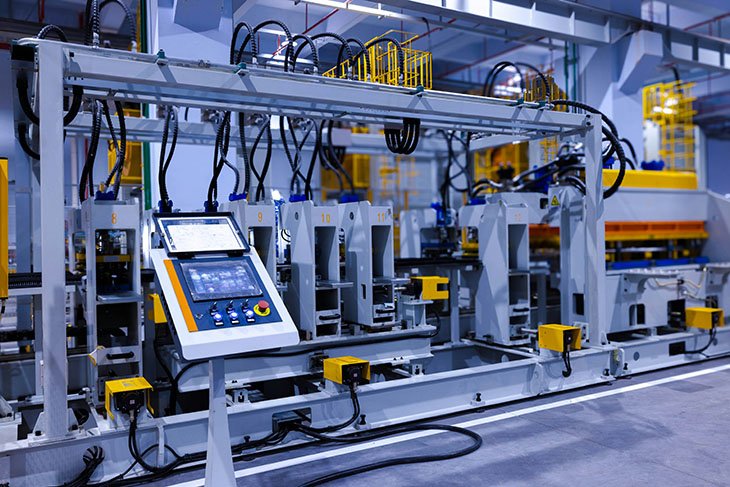
For manufacturers aiming to stay competitive, manufacturing performance tracking is no longer optional—it’s essential. By monitoring the right metrics, organizations can uncover inefficiencies, improve product quality, and optimize resource allocation. Whether you’re running a small plant or managing a global operation, understanding which data points to follow can make the difference between steady growth and missed opportunities.
Modern factories are increasingly turning to digital solutions to gain real-time visibility into their operations. These systems enable teams to identify bottlenecks, reduce waste, and respond proactively to quality issues. For those interested in scaling their quality initiatives, exploring enterprise quality management systems can provide a strong foundation for sustainable improvement.
Why Monitor Manufacturing Metrics?
Tracking key performance indicators (KPIs) in manufacturing is about more than just collecting data. It’s about transforming raw numbers into actionable insights. Effective manufacturing performance tracking helps organizations:
- Identify inefficiencies before they impact delivery schedules or costs
- Maintain consistent quality by catching deviations early
- Optimize resource use to reduce waste and improve margins
- Support continuous improvement through data-driven decisions
With the right approach, manufacturers can move from reactive problem-solving to proactive management, ensuring smoother operations and happier customers.
Essential Metrics for Manufacturing Performance Tracking
There are dozens of metrics available, but a few stand out as particularly valuable for tracking and improving factory performance. Here are some of the most important:
Overall Equipment Effectiveness (OEE)
OEE is a comprehensive metric that combines availability, performance, and quality to measure how effectively a manufacturing operation is utilized. High OEE scores indicate that equipment is running efficiently, producing quality products at the expected speed with minimal downtime.
- Availability: Percentage of scheduled time that equipment is available for production
- Performance: Speed at which equipment operates compared to its maximum potential
- Quality: Ratio of good units produced versus total units started
Monitoring OEE helps teams pinpoint where losses are occurring—whether from unplanned stops, slow cycles, or defects—and prioritize improvement efforts.
First Pass Yield (FPY)
First Pass Yield measures the percentage of products manufactured correctly the first time, without the need for rework or repair. A high FPY indicates a stable process and consistent quality, while a low FPY signals issues that may require root cause analysis.
Improving FPY not only reduces scrap and rework costs but also shortens lead times and increases customer satisfaction.
Cycle Time
Cycle time refers to the total time required to produce a single unit, from the start of the process to completion. This metric is crucial for understanding throughput and identifying delays in the production line.
By tracking cycle time, manufacturers can set realistic delivery expectations and uncover opportunities to streamline workflows.
Downtime Tracking
Unplanned downtime can quickly erode productivity and profitability. Monitoring downtime—both its frequency and duration—enables teams to address recurring equipment issues, improve maintenance schedules, and reduce costly interruptions.
Advanced solutions, such as next generation quality monitoring systems, offer automated downtime tracking and alerting, helping teams respond quickly and minimize losses.
Quality Metrics and Defect Rates
Quality is at the heart of any successful manufacturing operation. In addition to FPY, tracking defect rates, scrap percentages, and customer returns provides a clear picture of process stability and product reliability.
- Defect Rate: Number of defective units per batch or shift
- Scrap Rate: Percentage of materials discarded during production
- Customer Returns: Frequency and reasons for products being returned
Analyzing these metrics helps manufacturers identify trends, implement corrective actions, and ensure compliance with industry standards.

Advanced Approaches to Performance Monitoring
As manufacturing evolves, so do the tools for tracking and improving performance. Modern factories are adopting digital platforms that offer real-time data collection, automated reporting, and predictive analytics. These systems can integrate with advanced manufacturing quality analytics to provide deeper insights and drive smarter decision-making.
For organizations seeking a holistic view, end to end quality visibility systems enable seamless monitoring from raw materials to finished goods, ensuring every stage of production meets quality and efficiency standards.
Additionally, leveraging real-time monitoring for proactive quality management can help teams detect anomalies early and prevent costly defects before they reach customers.
Data-Driven Continuous Improvement
Effective manufacturing performance tracking is not a one-time project but an ongoing process. By regularly reviewing KPIs, engaging cross-functional teams, and acting on insights, manufacturers can foster a culture of continuous improvement.
Some best practices include:
- Setting clear, measurable goals for each metric
- Reviewing performance data in regular team meetings
- Encouraging feedback from operators and supervisors
- Investing in training and technology upgrades as needed
- Benchmarking against industry standards and peers
For those looking to spot issues before they escalate, tools for variance detection in manufacturing can help teams identify unusual patterns and address them proactively.
FAQ: Manufacturing Performance Tracking
What are the most important metrics to monitor in a manufacturing environment?
Key metrics include Overall Equipment Effectiveness (OEE), First Pass Yield (FPY), cycle time, downtime, defect rates, and scrap percentages. These indicators provide a comprehensive view of efficiency, quality, and productivity.
How can digital solutions improve performance tracking in manufacturing?
Digital platforms automate data collection, provide real-time visibility, and enable predictive analytics. This allows manufacturers to respond quickly to issues, optimize processes, and support continuous improvement initiatives.
Why is it important to track both quality and efficiency metrics?
Monitoring both quality and efficiency ensures that improvements in speed or cost do not come at the expense of product reliability. Balancing these metrics helps manufacturers deliver consistent, high-quality products while maintaining profitability.