
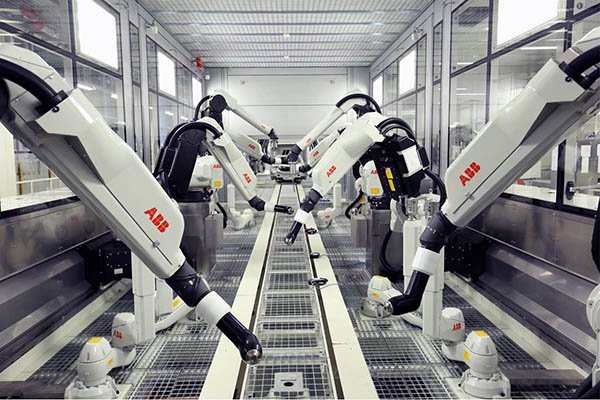
Modern manufacturing environments demand instant insights and actionable data to maintain high standards and respond quickly to quality issues. Manufacturing quality dashboards have become essential tools for visualizing production metrics, identifying trends, and ensuring that teams are aligned around quality goals. By providing real-time plant visuals, these dashboards empower operators, engineers, and managers to make informed decisions that drive efficiency and product consistency.
As factories become more connected and data-driven, the need for robust visualization tools continues to grow. These dashboards consolidate information from multiple sources, offering a single pane of glass for monitoring everything from defect rates to process deviations. For organizations operating at scale, integrating such solutions with enterprise quality management systems can further enhance visibility and control across global operations.
The Role of Real-Time Dashboards in Manufacturing
Real-time dashboards have transformed the way production floors operate. Instead of waiting for end-of-shift reports or manual data entry, teams now have access to live metrics that reflect current plant conditions. This immediate feedback loop helps to:
- Detect quality issues as soon as they arise, reducing the risk of defective products reaching customers.
- Monitor key performance indicators (KPIs) such as yield, throughput, and downtime.
- Enable rapid root-cause analysis by correlating process data with quality outcomes.
- Facilitate communication between departments, ensuring everyone works from the same set of facts.
These benefits are especially critical in industries where compliance, traceability, and customer satisfaction are non-negotiable. By leveraging manufacturing quality dashboards, organizations can foster a culture of continuous improvement and proactive problem-solving.
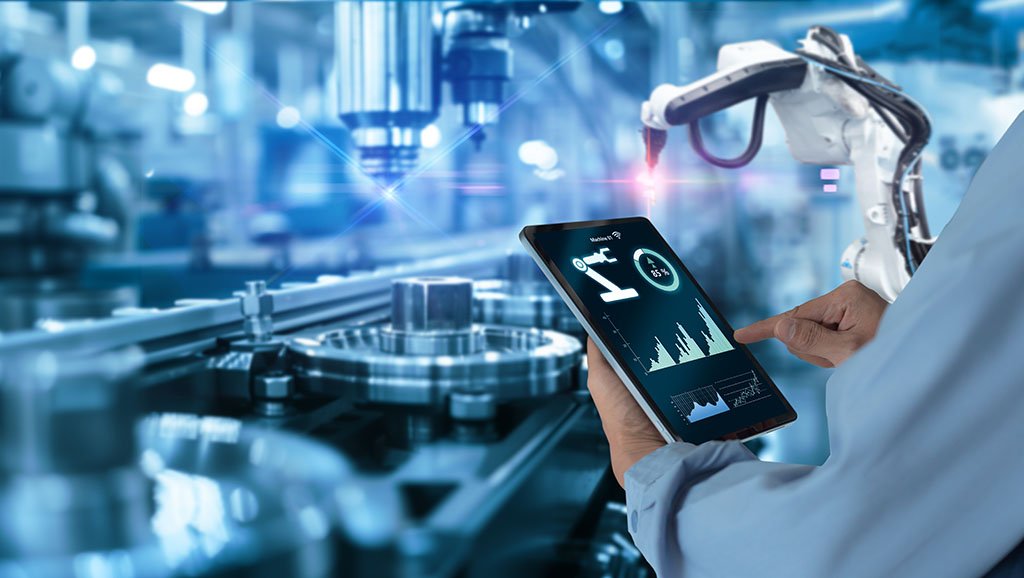
Key Features of Effective Plant Visualization Tools
Not all dashboards are created equal. The most effective solutions for plant quality visualization share several important characteristics:
- Customizable views: Users can tailor dashboards to display the metrics most relevant to their role, whether on a large shop-floor screen or a mobile device.
- Data integration: The ability to pull data from various sources—such as sensors, MES, ERP, and quality management systems—ensures a comprehensive picture.
- Interactive analytics: Drill-down capabilities allow users to explore trends, filter by time period, or isolate specific machines or lines.
- Alerting and notifications: Automated alerts for out-of-spec conditions help teams respond before minor issues escalate.
- Historical context: Storing and visualizing past data supports long-term analysis and benchmarking efforts.
These features make dashboards not just passive displays, but active tools for driving operational excellence. Advanced solutions may also incorporate AI-driven insights, predictive analytics, and integration with advanced manufacturing quality analytics platforms.
Integrating Dashboards with Quality Management Systems
For manufacturers aiming to achieve end-to-end visibility, integrating dashboards with broader quality management platforms is a strategic move. This approach enables seamless data flow between production, quality assurance, and business systems. When dashboards are connected to end to end quality visibility systems, organizations benefit from:
- Unified reporting across multiple plants or production lines.
- Automated escalation of quality events to relevant stakeholders.
- Consistent application of quality standards and procedures.
- Improved traceability for audits and regulatory compliance.
Such integration supports a holistic view of quality, allowing leaders to identify systemic issues and prioritize improvement initiatives based on real data.
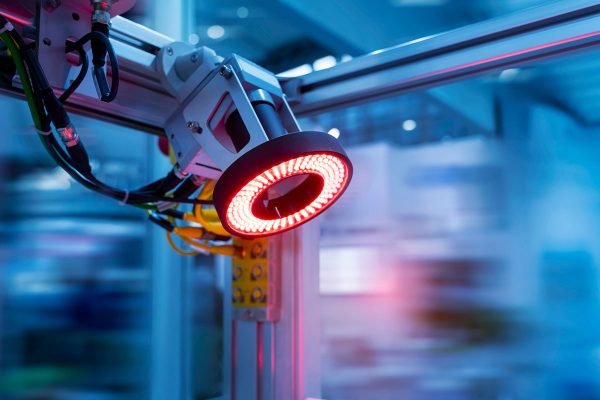
Real-Time Quality Monitoring and Variance Detection
One of the most valuable aspects of modern plant dashboards is the ability to monitor quality in real time and detect variances as they occur. By visualizing data streams from sensors, cameras, and inspection systems, teams can spot deviations from standard operating conditions instantly. This capability is crucial for:
- Reducing scrap and rework by catching defects early in the process.
- Maintaining consistent product quality across shifts and batches.
- Supporting variance detection in manufacturing to identify patterns that may indicate equipment wear, process drift, or operator error.
Dashboards that highlight anomalies and provide drill-downs into root causes help organizations move from reactive firefighting to proactive quality management.
Best Practices for Implementing Plant Quality Dashboards
Successful deployment of visualization tools in manufacturing environments requires careful planning and stakeholder engagement. Consider these best practices:
- Define clear objectives: Identify the specific quality metrics and outcomes you want to improve. Involve both shop-floor personnel and management in the requirements gathering process.
- Ensure data accuracy: Reliable dashboards depend on accurate, timely data. Invest in sensor calibration, data validation, and integration with trusted systems.
- Promote user adoption: Provide training and support to help teams interpret dashboard visuals and act on insights. Solicit feedback to refine displays and workflows.
- Start small, scale fast: Pilot dashboards on a single line or process, then expand to additional areas once value is demonstrated.
- Review and iterate: Continuously monitor dashboard effectiveness and update KPIs as business needs evolve.
Following these steps helps ensure that dashboards deliver measurable improvements in quality, efficiency, and team collaboration.
Industry Trends: The Future of Quality Visualization
The landscape of plant visualization is evolving rapidly. Emerging trends include:
- AI-powered analytics: Machine learning algorithms can identify subtle patterns and predict quality issues before they occur.
- Mobile-first dashboards: With the rise of tablets and smartphones on the shop floor, responsive dashboards are becoming the norm.
- Integration with IoT: As more devices become connected, dashboards can provide even richer, real-time insights.
- Cloud-based solutions: Cloud platforms enable centralized monitoring across distributed sites and facilitate remote collaboration.
Adopting these innovations positions manufacturers to stay ahead of quality challenges and meet the demands of increasingly complex supply chains. For a deeper dive into the importance of instant quality control, see this comprehensive overview of real-time quality control in supply chains.
FAQ: Manufacturing Quality Dashboards and Real-Time Plant Visuals
What are the main benefits of using real-time dashboards in manufacturing?
Real-time dashboards provide immediate visibility into production quality, enabling teams to quickly detect and address issues. This leads to reduced defects, improved efficiency, and better compliance with quality standards. They also foster collaboration by ensuring everyone has access to the same up-to-date information.
How do these dashboards integrate with existing manufacturing systems?
Most modern dashboards are designed to connect with MES, ERP, and quality management platforms. This integration allows for seamless data flow, unified reporting, and automated alerts. It also supports traceability and compliance by consolidating information from multiple sources.
What should manufacturers look for when selecting a dashboard solution?
Key considerations include customization options, data integration capabilities, real-time analytics, user-friendly interfaces, and support for mobile devices. It’s also important to choose a solution that can scale with your operations and adapt to changing business needs.