
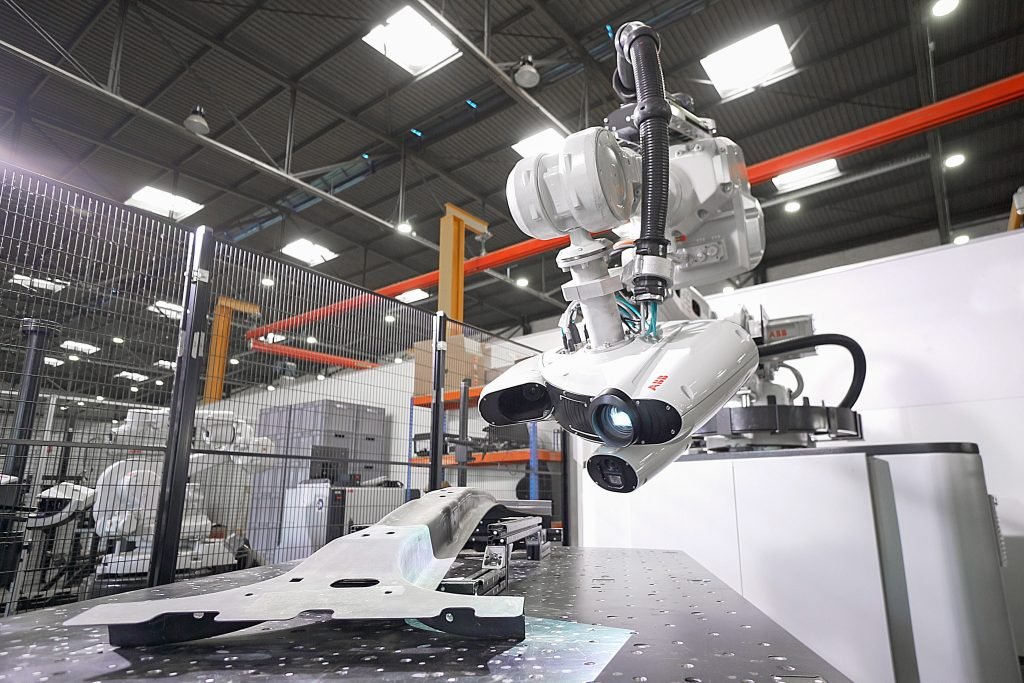
Reducing waste in manufacturing is a top priority for companies aiming to improve efficiency, cut costs, and enhance sustainability. One of the most effective strategies for achieving this is through robust quality control practices. By focusing on quality at every stage of production, manufacturers can minimize defects, prevent rework, and ensure that resources are used optimally. This guide explores practical ways to achieve manufacturing waste reduction through quality control, offering actionable tips and highlighting proven methods for lasting improvement.
Modern manufacturers are increasingly turning to digital solutions to streamline quality management. For organizations operating at scale, leveraging enterprise quality management systems can provide the visibility and control needed to drive down waste and maintain high standards across global operations.
Understanding the Impact of Quality on Waste Generation
Waste in manufacturing can take many forms, from excess raw materials and defective products to unnecessary energy consumption and inefficient processes. At the heart of many of these issues is a lack of effective quality control. When quality is not prioritized, errors slip through, leading to scrap, rework, and delays that drive up costs and environmental impact.
Implementing a strong quality management framework helps manufacturers identify problems early, address root causes, and prevent recurrence. This proactive approach not only reduces material waste but also improves customer satisfaction and compliance with industry standards.
Key Strategies for Manufacturing Waste Reduction Through Quality Control
To achieve significant reductions in waste, manufacturers should integrate quality control into every aspect of their operations. Below are some essential strategies to consider:
1. Standardize Processes and Documentation
Establishing standardized work instructions and clear documentation ensures that every operator follows the same procedures. This consistency minimizes variability, reduces the risk of errors, and makes it easier to identify deviations that could lead to waste.
Regularly review and update documentation to reflect best practices and lessons learned from previous quality issues. Digital tools can help keep these documents accessible and up to date for all team members.
2. Invest in Real-Time Quality Monitoring
Real-time monitoring systems enable manufacturers to detect quality issues as soon as they arise. By capturing data from sensors, machines, and manual inspections, teams can respond quickly to deviations and prevent defective products from moving further down the line.
For example, using real-time monitoring solutions allows for immediate corrective action, reducing the volume of scrap and rework. This approach also supports continuous improvement by providing valuable insights into process performance.
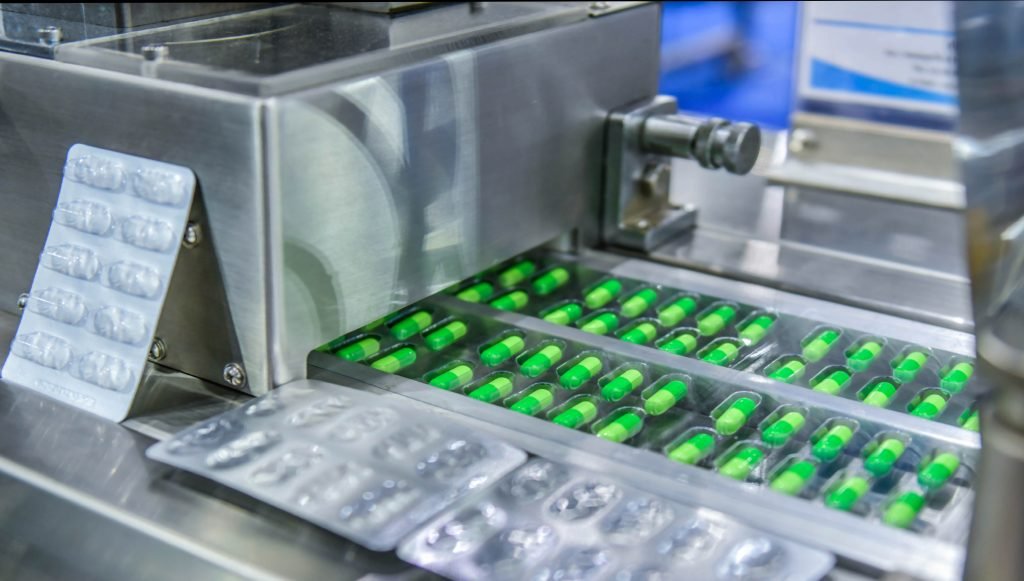
3. Empower Employees with Training and Engagement
Operators and frontline staff play a crucial role in maintaining quality. Providing regular training on quality standards, process controls, and waste reduction techniques empowers employees to spot issues early and take ownership of quality outcomes.
Encourage a culture where employees feel comfortable reporting problems and suggesting improvements. Recognition programs and feedback loops can further motivate staff to contribute to waste reduction goals.
4. Utilize Data-Driven Decision Making
Collecting and analyzing production data helps manufacturers identify patterns, root causes of defects, and areas for improvement. Advanced analytics tools can uncover hidden inefficiencies and guide targeted interventions.
Solutions such as advanced manufacturing quality analytics provide actionable insights that support smarter decision-making and more effective waste reduction initiatives.
5. Implement Preventive Maintenance Programs
Equipment failures and unplanned downtime often result in wasted materials and lost productivity. A preventive maintenance program ensures that machines are regularly inspected, serviced, and calibrated to operate at peak efficiency.
By addressing potential issues before they cause defects, manufacturers can maintain consistent quality and minimize the risk of producing scrap or rework.
Leveraging Technology for Greater Quality Control and Less Waste
Digital transformation is reshaping the way manufacturers approach quality and waste management. Technologies such as IoT sensors, machine learning, and cloud-based platforms enable real-time data collection, predictive analytics, and automated quality checks.
For brands seeking end-to-end visibility, adopting end to end quality visibility systems can provide a comprehensive view of quality performance across the supply chain. This level of transparency makes it easier to identify bottlenecks, reduce variation, and optimize resource utilization.

Continuous Improvement and the Role of Quality Analytics
Continuous improvement is a cornerstone of effective waste reduction. By regularly reviewing quality data and performance metrics, manufacturers can identify trends, set targets, and implement corrective actions that drive ongoing progress.
Tools for variance detection in manufacturing help teams spot unusual spikes or patterns that may indicate emerging quality problems. Early detection allows for rapid intervention, minimizing the impact on production and reducing waste before it accumulates.
Next-generation solutions, such as next generation quality monitoring systems, offer advanced capabilities for tracking, analyzing, and reporting on quality metrics in real time. These systems support a proactive approach to quality management, ensuring that waste is kept to a minimum.
Best Practices for Sustainable Waste Reduction
- Set clear quality objectives: Define measurable goals for defect rates, scrap reduction, and process improvements.
- Engage cross-functional teams: Involve engineering, production, and quality assurance in waste reduction initiatives.
- Monitor supplier quality: Work closely with suppliers to ensure incoming materials meet specifications, reducing the risk of defects downstream.
- Standardize audits and inspections: Conduct regular audits to verify adherence to quality standards and identify opportunities for improvement.
- Promote a culture of accountability: Encourage all employees to take responsibility for quality and contribute ideas for reducing waste.
FAQ
How does quality control directly reduce manufacturing waste?
Quality control ensures that products meet defined standards at every stage of production. By catching defects early and preventing errors from progressing, manufacturers can avoid producing scrap, reduce rework, and make better use of raw materials. This leads to lower costs and less environmental impact.
What are some common tools used for quality monitoring in manufacturing?
Manufacturers use a variety of tools, including real-time monitoring systems, statistical process control charts, automated inspection equipment, and digital analytics platforms. These tools help track quality metrics, detect deviations, and support continuous improvement efforts.
Why is employee training important for waste reduction?
Well-trained employees are better equipped to identify quality issues, follow standardized procedures, and contribute to problem-solving. Ongoing training ensures that staff stay up to date with best practices, leading to fewer mistakes and more consistent product quality.
How can data analytics help minimize waste in manufacturing?
Data analytics enables manufacturers to identify trends, root causes of defects, and areas for process optimization. By making decisions based on accurate data, teams can implement targeted improvements that reduce waste and enhance overall efficiency.