
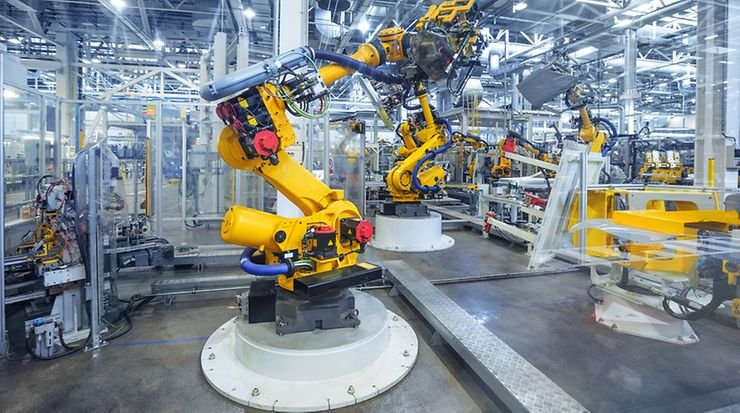
In modern manufacturing and process improvement, reducing human error is a top priority. Mistake proofing techniques poka yoke are practical tools designed to prevent defects before they occur, ensuring higher quality and greater efficiency. These methods are not just for large factories; they can be applied in any environment where mistakes can lead to costly rework, safety issues, or customer dissatisfaction.
Understanding how to implement these error-prevention strategies can transform workflows, minimize waste, and build a culture of continuous improvement. If you’re interested in optimizing your operations, integrating these principles is a proven way to achieve reliable results and streamline production.
For those seeking broader approaches to operational excellence, you may also find value in our smart manufacturing efficiency tips guide, which covers a range of strategies to boost productivity and reduce errors.
Understanding the Concept of Error Prevention
The Japanese term “poka yoke” translates to “mistake-proofing” or “inadvertent error prevention.” Developed by Shigeo Shingo as part of the Toyota Production System, these methods are designed to make it nearly impossible for mistakes to happen in the first place. The core idea is to design processes, tools, or systems so that incorrect actions are either impossible or immediately detectable.
Mistake proofing techniques poka yoke are not about blaming individuals for errors, but about creating environments where errors are less likely to occur. This philosophy supports a culture of quality and continuous improvement, empowering teams to focus on value-added activities rather than firefighting defects.
Types of Mistake Proofing Approaches
There are several ways to categorize error prevention strategies. The most common classifications include:
- Prevention-based: These solutions make it impossible to perform a task incorrectly. For example, a USB plug that only fits one way.
- Detection-based: These methods identify mistakes as soon as they happen, allowing for immediate correction. For example, a sensor that stops a machine if a part is missing.
- Warning-based: These approaches alert users to potential errors, such as alarms or indicator lights.
Each approach can be implemented using simple mechanical devices, electronic sensors, or even software prompts, depending on the context and complexity of the process.

Key Benefits of Implementing Error-Proofing Methods
Adopting mistake proofing techniques poka yoke offers several tangible benefits:
- Reduced defects: By preventing errors at the source, the number of defective products drops significantly.
- Lower costs: Less rework, scrap, and warranty claims mean direct savings.
- Improved safety: Many error-proofing devices also help prevent accidents and injuries.
- Higher customer satisfaction: Consistent quality leads to happier customers and fewer complaints.
- Empowered workforce: Employees spend less time fixing problems and more time on productive tasks.
These advantages make mistake prevention a cornerstone of lean manufacturing and operational excellence initiatives.
Common Examples of Mistake Proofing in Action
Error-proofing solutions can be found everywhere, from complex assembly lines to everyday household products. Some practical examples include:
- Assembly jigs: Fixtures that only allow parts to be assembled in the correct orientation.
- Color coding: Using colors to match components, reducing the risk of mixing up parts.
- Limit switches: Sensors that detect if a component is missing or out of place before the next operation begins.
- Software validation: Computer prompts that prevent users from submitting incomplete forms.
- Physical barriers: Guards or covers that prevent access to dangerous machine parts unless safety conditions are met.

How to Integrate Mistake Prevention Into Your Processes
Successfully applying these principles starts with understanding your current processes and identifying where errors are most likely to occur. Here are some practical steps:
- Map out the workflow: Document each step and look for points where mistakes have happened in the past.
- Analyze root causes: Use tools like the “5 Whys” to determine why errors occur.
- Brainstorm solutions: Involve frontline workers in generating ideas for error-proofing devices or process changes.
- Test and refine: Implement solutions on a small scale, gather feedback, and adjust as needed.
- Standardize and train: Once effective, make the new methods part of standard work and train all relevant staff.
For organizations looking to further enhance productivity, exploring how to improve material handling efficiency can complement mistake-proofing efforts and drive additional gains.
Challenges and Best Practices for Sustainable Results
While the benefits are clear, there are challenges to implementing error-proofing solutions. Some common hurdles include resistance to change, initial costs, or overcomplicating simple processes. To overcome these, consider the following best practices:
- Keep it simple: The most effective solutions are often the simplest. Avoid unnecessary complexity.
- Engage employees: Those closest to the work usually have the best insights into where and how mistakes happen.
- Monitor and improve: Regularly review the effectiveness of your error-prevention measures and make adjustments as processes evolve.
- Celebrate successes: Recognize teams and individuals who contribute to improved quality and safety.
Integrating these principles with broader efficiency strategies, such as those discussed in digital transformation in manufacturing efficiency, can amplify results and support a culture of innovation.
Connecting Mistake Proofing With Production Efficiency
Error-proofing is closely linked to overall production efficiency. By reducing the time and resources spent on correcting errors, organizations can focus on value-adding activities and continuous improvement. For a deeper dive into optimizing your operations, consider exploring what is production efficiency and how to increase it for actionable insights.
Frequently Asked Questions
What is the main goal of mistake proofing?
The primary objective is to prevent errors before they occur or to detect them immediately, minimizing defects, waste, and safety risks. This approach leads to higher quality, lower costs, and improved customer satisfaction.
Can mistake proofing be applied outside of manufacturing?
Absolutely. While these methods originated in manufacturing, they are widely used in healthcare, software development, logistics, and even everyday life. Any process prone to human error can benefit from error-prevention strategies.
How do I start implementing error-proofing in my organization?
Begin by identifying where mistakes are most likely to happen in your processes. Involve your team in brainstorming solutions, test simple interventions, and gradually integrate effective methods into standard procedures. Continuous monitoring and improvement are key to long-term success.