
In modern manufacturing, maximizing productivity and minimizing waste are top priorities. One of the most effective ways to measure and improve these aspects is through overall equipment effectiveness quality link analysis. This concept connects equipment performance, production efficiency, and product quality, providing a comprehensive view of how well manufacturing assets are utilized. By understanding the quality link within OEE, organizations can identify bottlenecks, reduce defects, and drive continuous improvement on the shop floor.
For companies operating at scale, integrating robust enterprise quality management systems is essential for leveraging OEE insights. These systems help bridge the gap between data collection and actionable process improvements, ensuring that quality metrics are not just tracked but actively used to enhance operations.
Understanding the Quality Link in OEE
The quality link in overall equipment effectiveness refers to the relationship between the quality of products produced and the total effectiveness of equipment. OEE is a composite metric made up of three key components: Availability, Performance, and Quality. While availability and performance focus on uptime and speed, the quality component zeroes in on the proportion of good products produced versus total output.
A strong quality link means that a high percentage of manufactured items meet specifications without requiring rework or being scrapped. This directly impacts the OEE score, as even small increases in defect rates can significantly reduce overall effectiveness. By closely monitoring quality as part of OEE, manufacturers can quickly detect issues, trace root causes, and implement corrective actions before defects escalate.

Key Components of OEE and Their Impact on Quality
To fully grasp how the overall equipment effectiveness quality link works, it’s important to break down the three core elements of OEE:
- Availability: Measures the percentage of scheduled time that equipment is available for production. Unplanned downtime, changeovers, and equipment failures reduce this metric.
- Performance: Assesses whether equipment is running at its maximum possible speed. Slow cycles, minor stops, and reduced speeds lower performance rates.
- Quality: Calculates the proportion of good units produced compared to total units started. Defects, rework, and scrap directly impact this value.
While all three factors are crucial, the quality component is unique because it reflects both process stability and the effectiveness of quality control measures. A drop in quality not only affects customer satisfaction but also leads to increased costs through wasted materials and labor.
How Quality Metrics Strengthen OEE Analysis
Integrating quality data into OEE calculations allows manufacturers to pinpoint where and why losses occur. For example, if a line is running at full speed but producing a high number of defects, the OEE score will reveal that performance is high but quality is lacking. This insight prompts targeted investigations into root causes, such as equipment calibration, operator training, or raw material issues.
Advanced solutions like advanced manufacturing quality analytics provide deeper visibility into these trends. By analyzing quality metrics alongside availability and performance, organizations can prioritize improvement projects that deliver the greatest impact on overall effectiveness.
Strategies for Improving the Quality Link in OEE
Enhancing the quality aspect of OEE requires a systematic approach. Here are several proven strategies:
- Real-Time Quality Monitoring: Implementing next generation quality monitoring systems enables immediate detection of defects, reducing the risk of producing large batches of non-conforming products.
- Root Cause Analysis: When quality issues arise, using structured problem-solving methods helps teams identify and address underlying causes rather than just symptoms.
- Employee Training: Well-trained operators are less likely to make errors that lead to defects. Ongoing education ensures that staff stay current with best practices and process changes.
- Preventive Maintenance: Regular maintenance minimizes equipment malfunctions that can result in quality problems.
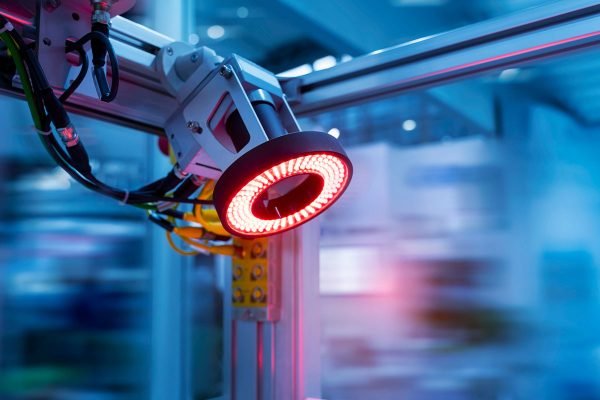
- Automated Inspection: Integrating vision systems and automated inspection tools increases the consistency and reliability of quality checks.
These strategies, when combined with robust data analytics, create a feedback loop that continuously improves both product quality and overall equipment effectiveness.
The Role of Quality Control in OEE Optimization
Effective quality control is at the heart of a strong OEE program. By embedding quality checks throughout the production process, organizations can catch deviations early and prevent costly rework or customer complaints. Technologies such as quality drift detection systems help maintain process stability and ensure that quality standards are consistently met.
For a broader perspective on the importance of real-time quality control in manufacturing and supply chains, consider this in-depth look at real-time quality control in supply chains. Real-time data not only supports immediate corrective action but also provides valuable insights for long-term process improvement.
Benefits of a Strong Quality Link in OEE
Organizations that prioritize the quality aspect within their OEE framework realize several key benefits:
- Reduced Waste: Fewer defects mean less material and labor wasted on non-conforming products.
- Higher Customer Satisfaction: Consistently high-quality output leads to fewer returns and stronger customer relationships.
- Lower Costs: Minimizing rework and scrap directly reduces production costs and improves profitability.
- Continuous Improvement: Ongoing monitoring and analysis of quality metrics drive a culture of continuous improvement across the organization.
These advantages make the quality link a critical focus area for any manufacturer seeking to optimize asset utilization and deliver superior products.
Integrating Quality Visibility Across the Production Chain
Achieving high OEE scores requires visibility into quality at every stage of production. Solutions like end to end quality visibility systems provide a unified view of quality data, from raw materials to finished goods. This integration enables faster response to issues, better traceability, and more informed decision-making.
By connecting quality metrics with other operational data, manufacturers can identify patterns, predict potential failures, and proactively address risks before they impact output.
FAQ: Common Questions About the Quality Link in OEE
What is the quality component in OEE, and why is it important?
The quality component measures the percentage of good units produced compared to the total units started. It is essential because it directly reflects how many products meet required standards without defects or rework, impacting both customer satisfaction and operational efficiency.
How can manufacturers improve the quality aspect of OEE?
Manufacturers can enhance quality by implementing real-time monitoring, conducting regular root cause analysis, investing in employee training, maintaining equipment, and using automated inspection systems. These steps help reduce defects and ensure consistent product standards.
How does real-time quality data affect OEE scores?
Access to real-time quality data allows for immediate detection and correction of issues, minimizing the production of defective products. This proactive approach helps maintain high OEE scores by reducing the impact of quality-related losses.